
The best travel wallet for women rfid is the one that keeps essentials secure without turning your bag into a junk drawer, and that usually comes down to layout, carry style, and how you actually travel.
If you’ve ever dug around for a passport while people wait behind you, or realized your boarding pass got bent into a mystery shape, you already know why a purpose-built travel wallet matters. It’s not about looking “travel-y”, it’s about making the next small moment easier.
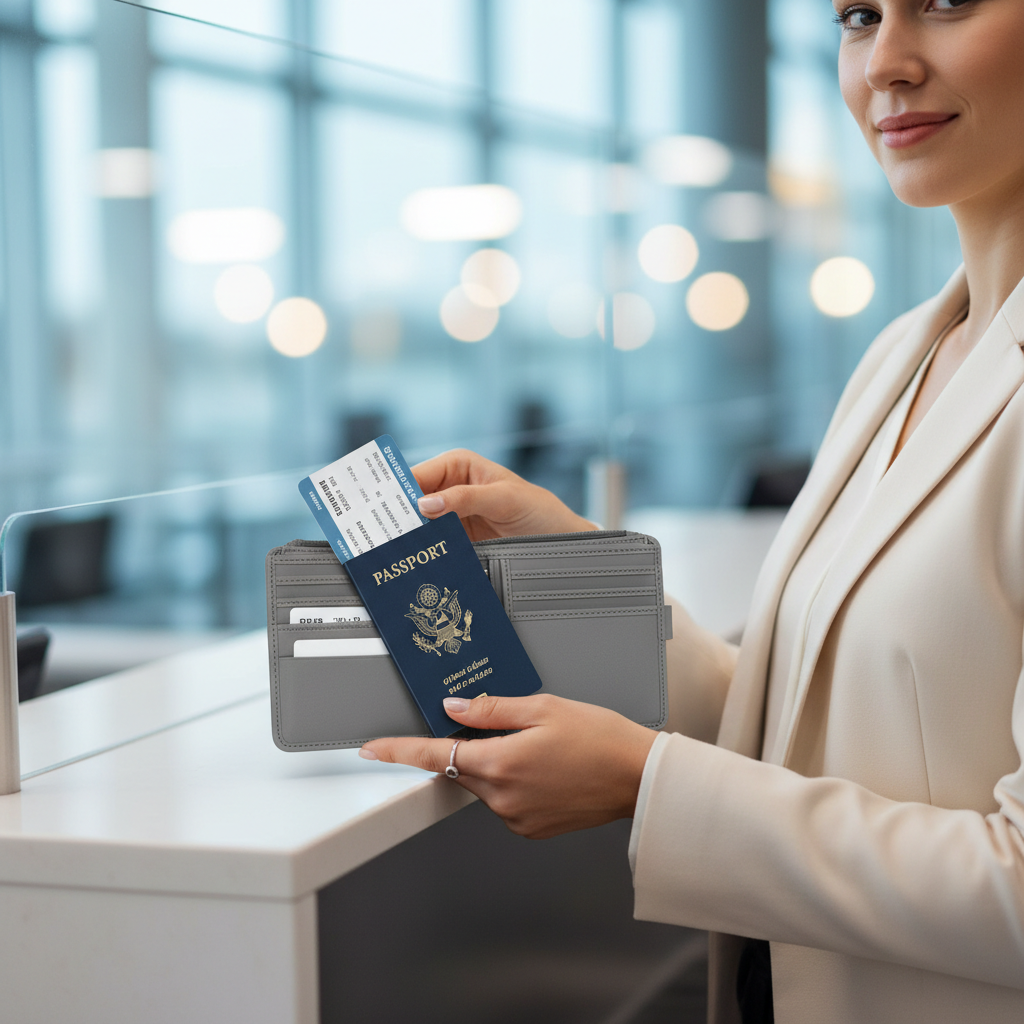
RFID blocking gets a lot of attention, but it’s only one piece of the decision. Many people buy a wallet that “checks the box” on RFID, then hate using it because it’s bulky, the zipper catches, or nothing fits the way they thought.
This guide focuses on what tends to work for U.S. travelers in 2026, how to judge quality quickly, and how to choose based on trip type, not hype.
What RFID travel wallets actually protect, and what they don’t
RFID-blocking fabric is designed to reduce the chance of someone reading data from contactless cards at close range. In practice, the real value is often peace of mind and an extra layer against opportunistic scanning in crowded places.
It’s still not a cure-all. You can lose money through card-not-present fraud, weak account security, or simply misplacing a wallet, and RFID material won’t help with that.
According to the Federal Trade Commission (FTC), identity theft and fraud prevention still comes back to basics like monitoring accounts, using strong authentication, and acting quickly if something looks off.
- RFID helps with: reducing exposure of tap-to-pay card data in certain close-contact scenarios.
- RFID won’t help with: online fraud, skimmers placed on terminals, stolen passwords, lost documents.
What makes the best travel wallet for women RFID in 2026
Design trends shift, but the fundamentals stay stubborn. The best travel wallet for women rfid usually nails three things: carry comfort, “grab speed” at checkpoints, and organization that doesn’t fall apart mid-trip.
1) Layout that matches your travel rhythm
- Passport slot that fits U.S. passports comfortably, ideally with a thumb notch so you can pull it out fast.
- Boarding pass storage that doesn’t force folding into tiny squares, especially if you still print backups.
- Card access that works one-handed, because you will be holding a coffee, suitcase handle, or phone.
- Cash pocket that’s usable, not symbolic. Even in card-heavy destinations, cash appears at odd moments.
2) Secure closure you won’t fight with
Zippers feel safest, but a stiff zipper can get old quickly. Magnetic snaps feel easy, but can pop open in a packed tote. Many travelers land on a smooth zipper + wrist strap or a zip-around clutch when they want one “container” for everything.
3) Materials that survive real use
- Water-resistant nylon tends to handle spills and weather well, and it stays lighter.
- Leather can feel premium, but weight, scuffing, and rain tolerance vary a lot by finish.
- Hardware quality matters more than people think: a good zipper and stitching beat fancy branding.
Quick self-check: which style fits your trips?
If you’re stuck between “compact” and “carry-everything,” this is the part to slow down on. Pick the style that matches your usual bag and how often you switch bags mid-trip.
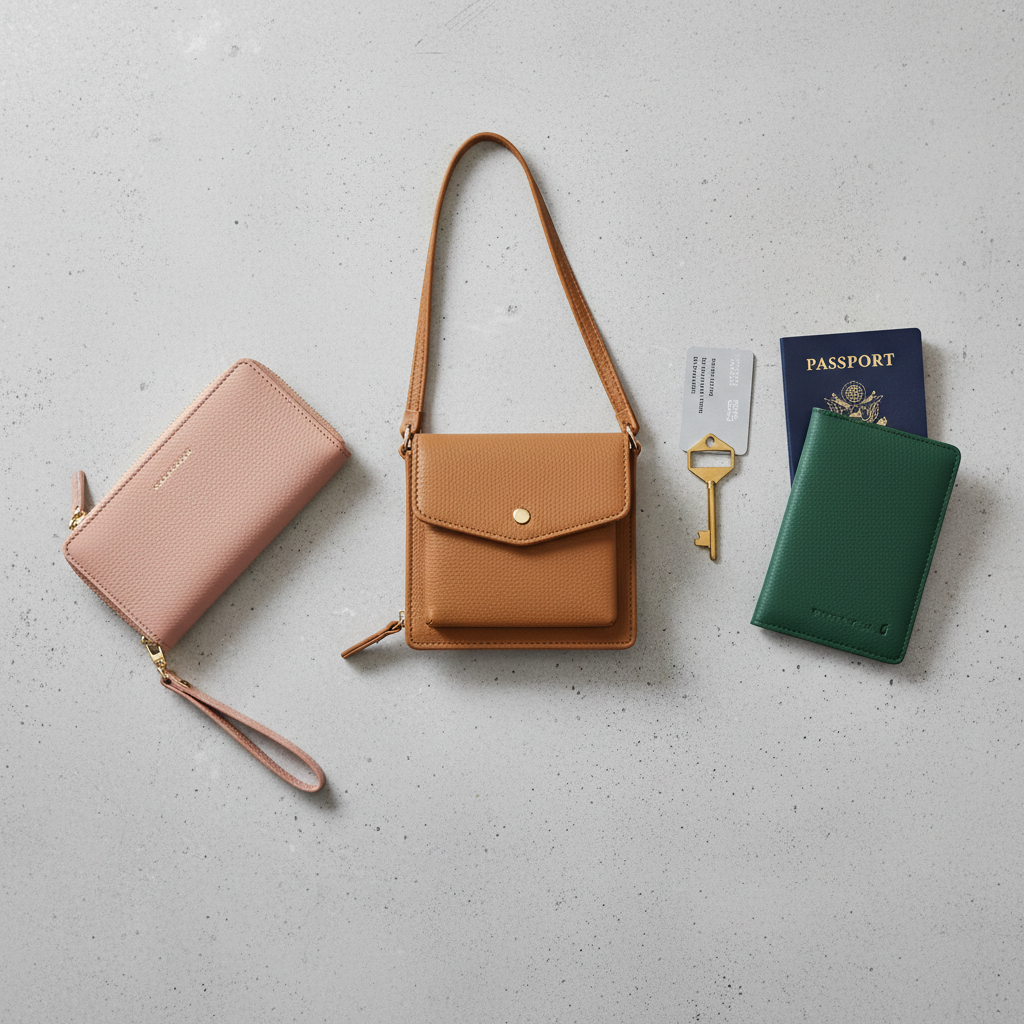
- You want a slim passport holder if you carry a small purse, travel light, and rarely handle cash.
- You want a zip-around wristlet if you like having “one thing to grab” for security lines, taxis, and quick meals.
- You want a crossbody travel wallet if you plan to wear it under a jacket, go hands-free, and dislike rummaging in a tote.
- You want a family travel organizer if you manage multiple passports, child documents, and reservation printouts.
One honest question helps: Do you want this wallet to live inside your bag, or be your bag? A lot of disappointment comes from buying the wrong “role.”
Feature checklist (what to prioritize, what to ignore)
Product pages love to list 18 features, but a few are the ones you’ll feel every day.
- RFID blocking layer covering the main card area, not just a single slot.
- Dedicated passport pocket plus a second pocket for receipts or entry forms.
- External quick-access pocket for a transit card or hotel key, when you don’t want to unzip everything.
- Wrist strap or detachable strap that feels secure, with hardware that doesn’t look flimsy.
- Room for a phone if you actually plan to carry it as a wristlet, but don’t force it if you prefer slim.
Features people often overpay for: oversized “document folders” you never open, coin pockets that add bulk, and too many card slots that tempt you to carry cards you don’t need on a trip.
Comparing common options (use this table to narrow fast)
Instead of brand vs brand, this table compares the patterns you’ll see across most 2026 releases. It’s a quicker way to decide what to shop for.
| Wallet type | Best for | Pros | Tradeoffs |
|---|---|---|---|
| Slim RFID passport holder | Minimalist packing, small bags | Lightweight, easy to stash, quick passport access | Limited cash space, not great as a standalone wallet |
| Zip-around RFID wristlet | Airport days, tours, day trips | All-in-one organization, strong closure, easy to grab | Can feel bulky in small purses, zipper quality varies |
| RFID crossbody travel wallet | Hands-free travel, crowded cities | Harder to misplace, comfortable carry, good security feel | Strap comfort matters, can look “touristy” depending on design |
| Family travel organizer (RFID) | Multiple travelers, lots of paper | Keeps documents together, fewer “where is it” moments | Large size, not ideal for daily carry once you arrive |
How to choose in 10 minutes (practical buying steps)
When you’re scanning listings late at night, decision fatigue is real. This quick process usually gets you to a confident shortlist without overthinking.
- Step 1: Decide the carry mode: inside-bag, wristlet, or crossbody. Don’t skip this.
- Step 2: Count what must fit: passport, 2–4 cards, phone, some cash, one “random” item like a SIM tool or key.
- Step 3: Check closure and access: can you reach your most-used card without exposing everything?
- Step 4: Look closely at edges, stitching, and zipper track in photos. If photos hide these, be cautious.
- Step 5: Read returns and warranty notes. Travel gear gets stress-tested fast.
If you want a small sanity check, the best travel wallet for women rfid will feel “boring” in a good way: it removes friction rather than adding clever compartments you never use.
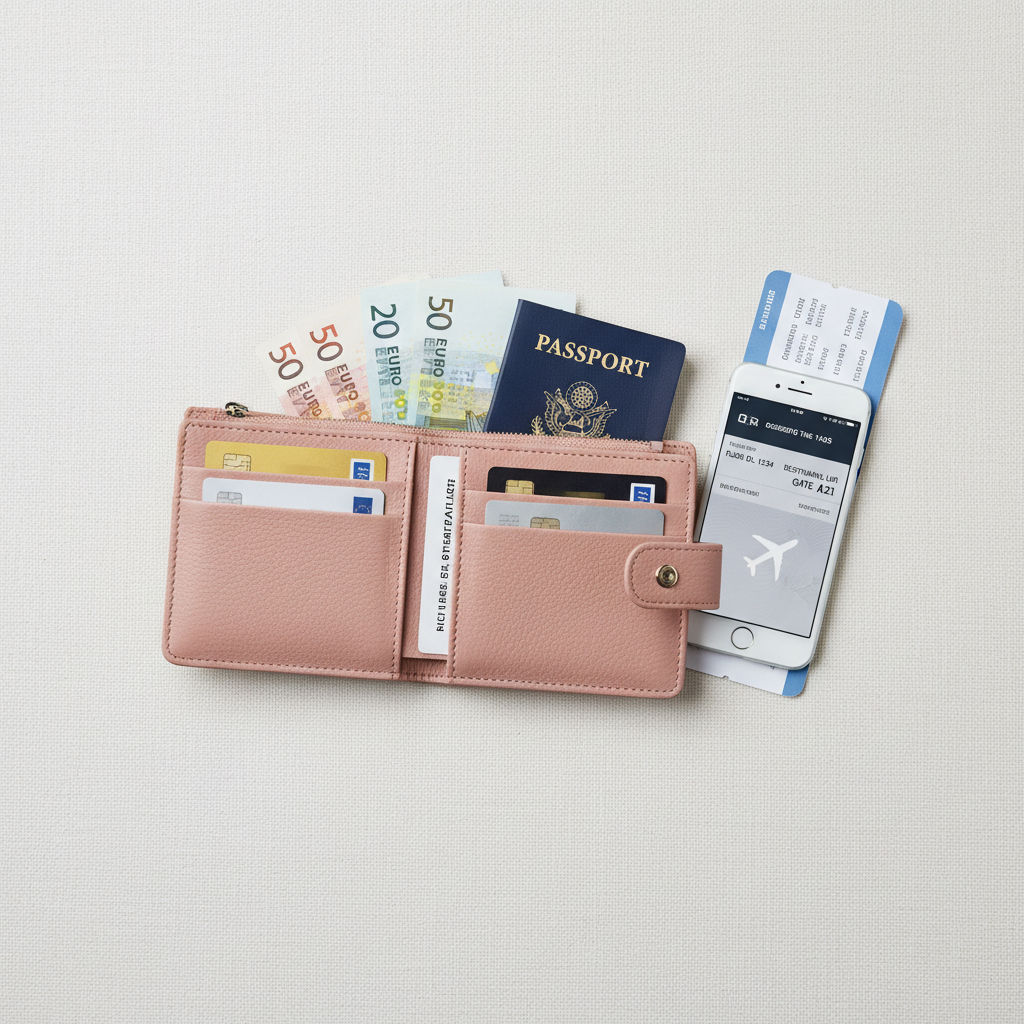
One more thing: if you travel with a larger phone, verify interior dimensions. A lot of “phone fits” claims depend on removing the case, and that gets annoying quickly.
Common mistakes that make a travel wallet annoying
Most returns happen for predictable reasons. If you avoid these, you usually end up happy even with a mid-priced wallet.
- Buying too big “just in case.” Extra space turns into clutter, then you can’t find what you need.
- Assuming all RFID wallets block equally. Coverage can vary by construction and where you place cards.
- Choosing a stiff wallet for a soft bag. Hard edges can be uncomfortable and create awkward bulges.
- Overloading card slots. Travel is a good moment to carry fewer cards, not more.
Also, don’t confuse “secure” with “hard to open.” If you dread unzipping it at every checkpoint, you’ll stop using the organization features that justified the purchase.
When you might want extra help or a different security approach
If you’ve dealt with repeated fraud, have concerns related to stalking or domestic safety, or travel for sensitive work, it may be worth talking with a security professional about broader precautions. A wallet can support good habits, but it can’t replace a plan.
For day-to-day identity protection concerns, consider checking guidance from the FTC and your card issuer on alerts, freezes, and dispute steps, since those measures often matter more than any single product feature.
Conclusion: a smart pick is the one you’ll actually use
The best purchases in this category feel almost invisible once the trip starts. Choose an RFID travel wallet that fits your carry style, keeps passport and cards easy to reach, and closes securely without fighting you.
If you want one action item today, pick your wallet type first, then shop within that category. Your future self in the security line will thank you.