
Best travel mask for face plane shopping is less about chasing a “perfect” product and more about matching the mask to your flight length, breathing comfort, and how you actually move through airports.
Air travel stacks little annoyances that add up: dry cabin air, close seating, and long stretches where you just want to relax without constantly adjusting something on your face. A good mask can help with comfort and exposure reduction, but only if it seals well and you can tolerate it for hours.
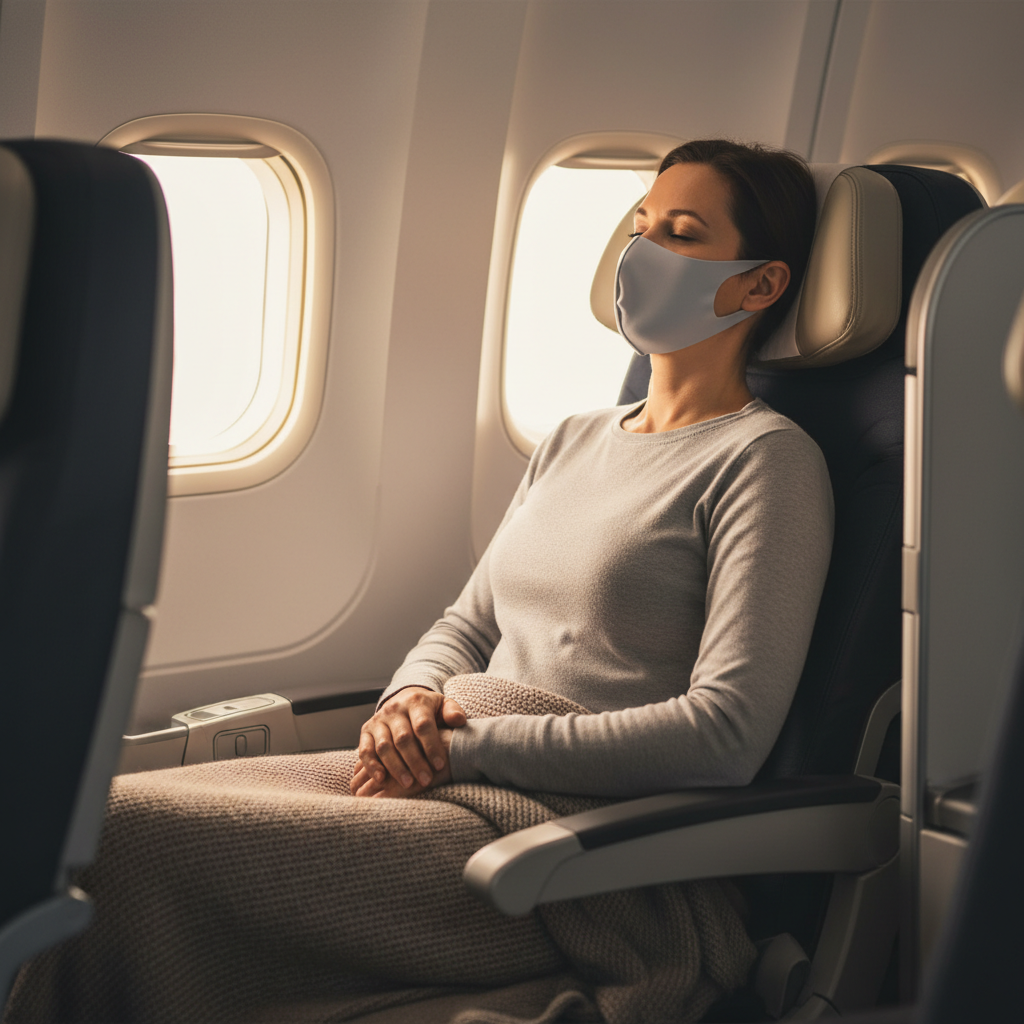
One more thing people miss: “best” changes depending on whether you wear glasses, have sensitive skin, need to talk a lot, or plan to sleep. This guide narrows the choice with real-world criteria, plus a quick checklist and a comparison table you can use before your next trip.
What “best” means on a plane (not in a store aisle)
On a plane, comfort and consistency matter as much as filtration claims. A mask that tests well on paper but slips when you yawn or talk ends up spending half the flight under your nose, which defeats the point.
- Seal: A stable seal around nose and cheeks reduces leaks when you breathe or turn your head.
- Breathability: If it feels stuffy, most people unconsciously adjust it more often.
- Skin tolerance: Friction and moisture can trigger irritation on long flights.
- Practicality: You still need to show ID, sip water, and sometimes eat, so easy on-off matters.
According to CDC, a well-fitting respirator or mask can help reduce spread of respiratory viruses, especially in crowded indoor spaces. That wording is intentional: fit and consistency drive results more than marketing labels.
Types of travel masks you’ll see in 2026
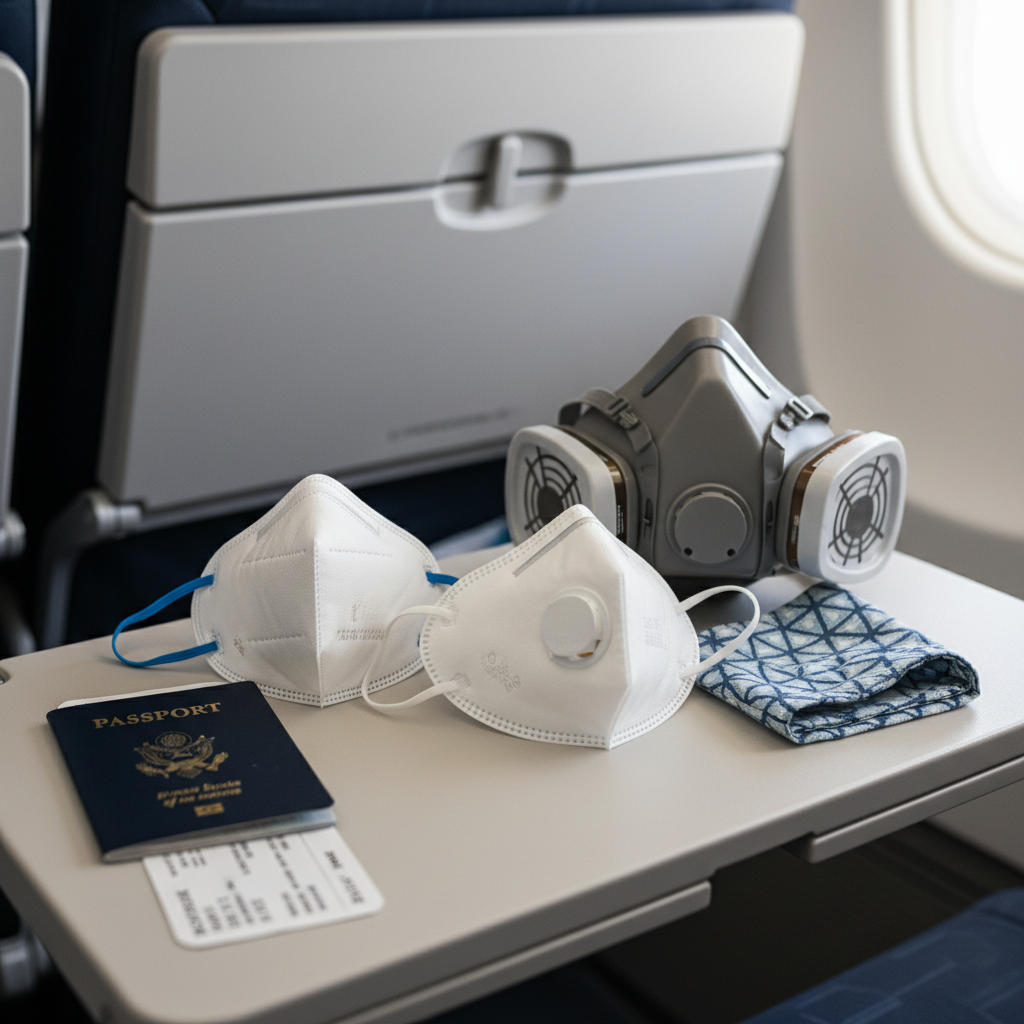
You’ll typically run into four categories. None is universally “best,” but you can narrow fast once you know the tradeoffs.
Disposable respirators (N95/KN95/FFP2-style)
These are popular for flights because they combine decent filtration with relatively low fuss. Look for firm structure that keeps fabric off your mouth, plus strong nose wire and headbands or sturdy ear loops.
- Pros: strong filtration (when authentic), usually good structure
- Cons: sizing varies, nose area can be finicky, counterfeits exist
Reusable elastomeric respirators
These are the “serious” option: silicone facepiece with replaceable filters. They can be very effective, but they’re bulkier, can draw attention, and some models affect speech clarity.
- Pros: durable seal, replaceable filters, long-term value
- Cons: bulk, cleaning, may feel overkill for casual travelers
Multi-layer cloth masks
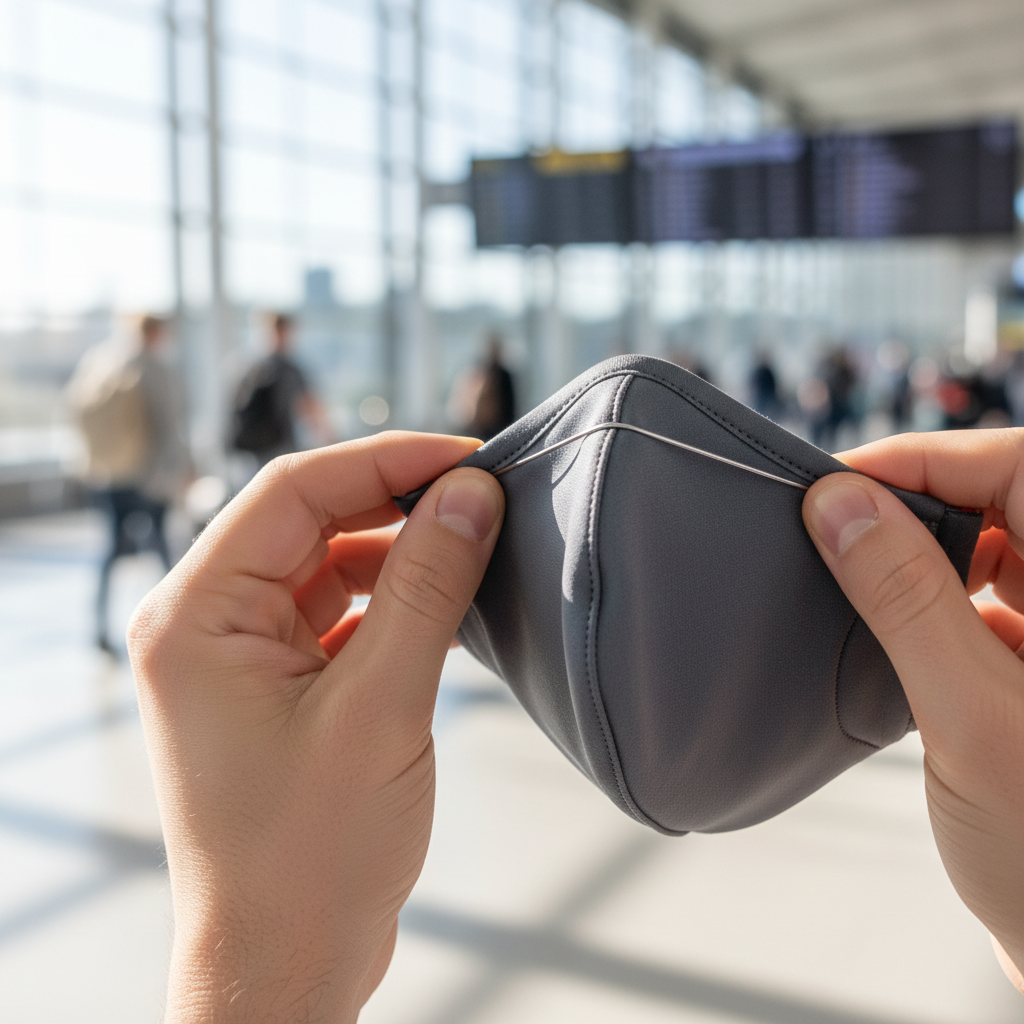
Cloth masks vary widely. Many are comfortable, but performance depends on materials, layers, and fit. They can still be useful for low-intensity situations or as a backup, but for a packed cabin, many travelers prefer respirator-style options.
- Pros: comfort, washable, style options
- Cons: inconsistent performance, fit often looser
“Comfort masks” for sleep
Some travel masks prioritize softness and minimal pressure points, aiming at sleeping passengers. They can be great if you actually keep them on, but you should still check that they don’t gap at the cheeks when your head tilts.
Quick comparison table: choose your plane mask faster
If you just want a shortcut, start here and then read the fitting section. Most bad experiences come from the wrong style for the person, not from the “wrong brand.”
| Mask type | Best for | Comfort on long flights | Fit reliability | Notes |
|---|---|---|---|---|
| Disposable N95 (headbands) | High-crowd flights, long-haul | Medium | High | Often seals better than ear loops, can mess with hair |
| KN95-style (ear loops) | Medium flights, quick wear | Medium-High | Medium | Comfortable, but ear-loop tension can be inconsistent |
| Elastomeric respirator | Max seal priority, frequent flyers | Medium | Very High | Needs cleaning and filter management |
| High-quality cloth (multi-layer) | Low-risk settings, backup | High | Low-Medium | Choose good nose wire and adjustable ear loops |
How to tell if a mask will work for your face (fast self-check)
You can do a quick fit reality-check at home before you gamble on a ten-hour flight. This is also where most “best travel mask for face plane” searches end up: people want something they can forget about, not something they fight.
- Nose bridge: Does the nose wire shape and stay shaped, or does it spring back?
- Cheeks: When you smile, do you see gaps near the sides of the nose?
- Jaw movement: When you talk, does it ride up toward your eyes?
- Glasses fogging: Some fog is normal, but heavy fog usually signals leaks upward.
- Pressure points: After 15 minutes, do ears or nose feel sore?
- Breathing: If you feel “air hunger,” you’ll adjust more and wear it less.
According to NIOSH, N95 respirators are designed to filter at least 95% of airborne particles under test conditions, but real-world protection depends heavily on fit. If the seal is weak, the rating matters less than people assume.
Practical picks by travel scenario (what I’d prioritize)
Here’s the honest way to shop: pick based on your flight behavior. Are you sleeping? Talking? Running through connections? That changes what “best” looks like.
For long-haul flights where you’ll sleep
- Choose a structured respirator that stays off lips and doesn’t collapse when you inhale.
- Favor soft inner lining, and avoid scratchy seams across the cheeks.
- Bring a spare in case the first gets damp from breathing or a spill.
For glasses wearers
- Prioritize a strong nose wire and a shape that sits high on the bridge.
- Consider masks with foam at the nose area if your skin tolerates it.
- Plan on a small anti-fog routine rather than expecting miracles.
For short domestic flights and airport hopping
- Comfort and quick on-off matter: adjustable ear loops can be a win.
- Keep a compact backup in your pocket for crowded shuttle rides and gates.
- If you hate ear pressure, headband models often feel better over time.
For frequent flyers who want less waste
- A reusable respirator can make sense, but only if you’re willing to clean it consistently.
- Store filters in a breathable pouch, not a sealed bag where moisture sits.
Step-by-step: making your plane mask more comfortable
Even the best travel mask for face plane use can get annoying if you skip small setup steps. These are the fixes that actually change how the flight feels.
Before you leave for the airport
- Test-wear for 20 minutes at home while talking and turning your head.
- If ear loops are loose, add a small ear-loop adjuster or use a behind-the-head strap.
- Pack: 1–2 extras, a small zip pouch, and skin-safe wipes if you’re prone to irritation.
At the gate and onboard
- Put it on before boarding lines get tight, you’ll touch it less once seated.
- Press and mold the nose wire slowly, then re-check after you stow your bag.
- If you need to eat, remove it by straps, store it in a clean pouch, and avoid placing it on the tray table.
If your face gets irritated mid-flight
- Lightly moisturize before the flight, not during, to reduce friction without making it slippery.
- Swap to a fresh mask if the inside feels damp, dampness often increases rubbing.
- If you develop a rash or breathing discomfort, consider taking a break when safe and consult a clinician if symptoms persist.
Mistakes that make a “good” mask perform badly
These come up constantly, and they’re usually why someone thinks every mask “doesn’t work.”
- Buying one size and hoping: faces vary, and “adult” sizing is vague across brands.
- Chasing ultra-thick materials: too much resistance makes you adjust more and break the seal.
- Assuming ear loops always seal: some do, many don’t, especially on smaller faces.
- Rewearing damp disposables: moisture can degrade comfort and fit, and may reduce performance.
- Ignoring authenticity: buy from reputable retailers; if labeling looks off, treat it as a red flag.
According to FDA, counterfeit or misrepresented protective products can appear in the market, especially during high-demand periods. If something looks too cheap to be real, it often is.
Conclusion: the best choice is the one you can wear the whole flight
The best travel mask for face plane trips is the one that seals well on your face, feels breathable enough that you stop fiddling with it, and fits your actual travel routine, not an idealized one.
If you want a simple plan, start with a reputable disposable respirator in the style you tolerate most, test it at home, then pack a spare and a clean storage pouch. That small prep usually matters more than swapping brands every trip.
FAQ
What is the best travel mask for face plane rides if I wear glasses?
Look for a strong nose wire and a shape that sits high on the bridge, then do a quick fog test at home. If fogging stays heavy, the seal near the nose is probably leaking and you may need a different shape.
Are N95 masks better than KN95 for flying?
Many travelers find N95 headband designs seal more consistently, but comfort and fit vary. If a KN95 fits your face snugly without gaps, it may work well for your use, especially for shorter flights.
How many masks should I pack for a long-haul flight?
For long flights, two is a practical baseline: one primary, one backup. If you tend to snack often or you’ll be traveling across multiple legs, add another so you can swap if it gets damp or stretched.
Can I reuse a disposable respirator after my flight?
Many people do, but it depends on condition and your comfort level. If it’s dirty, damp, misshapen, or the straps feel loose, it’s usually time to replace it rather than forcing another wear.
What features matter most for comfort on a plane?
Soft contact points, a stable nose wire, and enough structure to keep material off your lips make the biggest difference. Breathability matters too, because discomfort leads to constant adjustments.
Is a cloth mask good enough for airport and airplane use?
Cloth masks vary a lot, so it’s hard to generalize. In many crowded indoor travel settings, people often prefer respirator-style options for more consistent filtration and fit, but you should choose based on your needs and any medical advice you follow.
When should I ask a professional about mask use during travel?
If you have asthma, COPD, panic symptoms with face coverings, or you’re traveling while sick or immunocompromised, it’s smart to check with a clinician. They can help you balance comfort, breathing tolerance, and risk reduction realistically.
If you’re trying to pick a plane mask quickly, start by deciding whether seal or comfort is your priority, then test-wear at home for twenty minutes, that simple step saves most people from an expensive drawer of “almost works” options.