
Sandboarding travel destinations are easier to choose when you stop chasing “the biggest dune” and match a place to your skill level, season, and how much logistics you’re willing to handle.
A lot of travelers get stuck on the same pain points, rental availability, permits, sand conditions, and that nagging question, “Is this actually safe for a first timer?” The good news is most popular dunes have a clear best window, a predictable setup, and a local operator ecosystem that makes the day simple.
This guide narrows the field to destinations that are genuinely fun, not just famous, then gives you a quick decision checklist, a comparison table, and practical planning tips you can use right away.
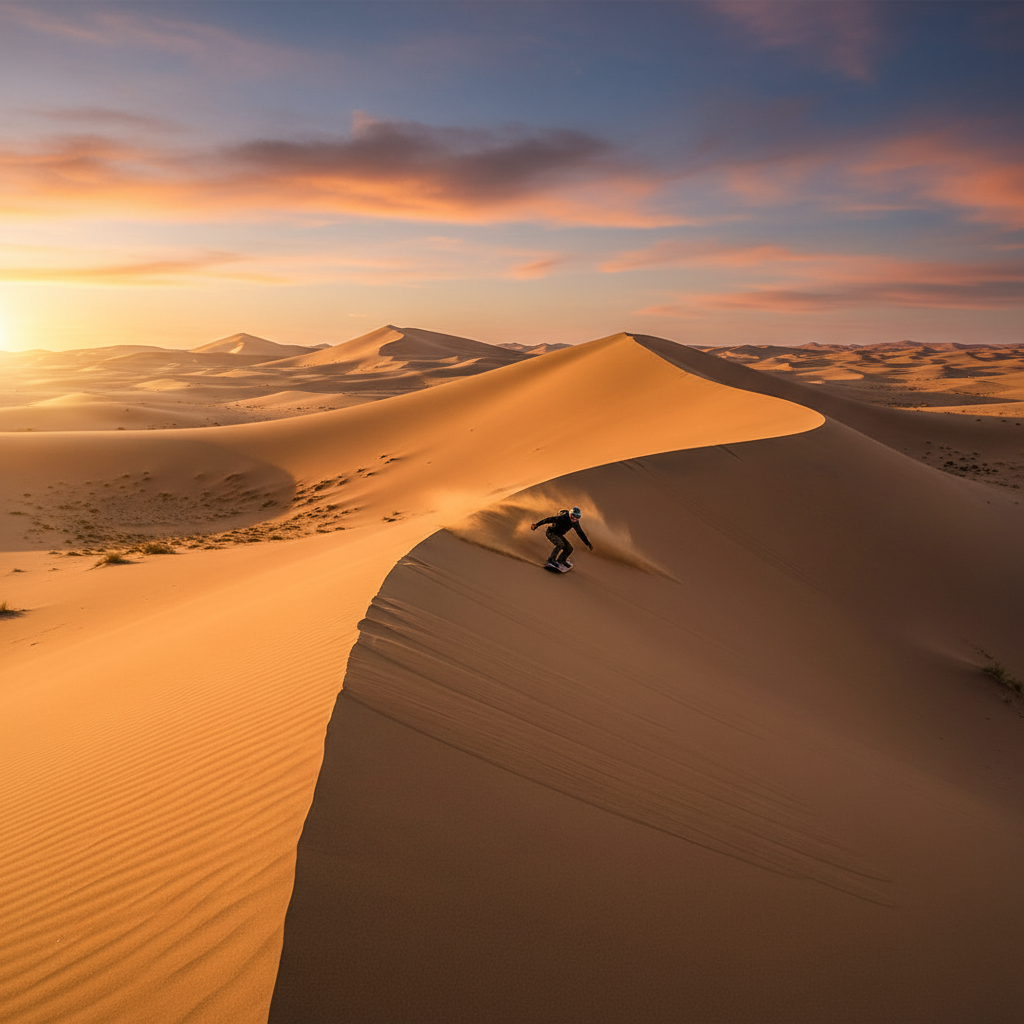
What makes a sandboarding destination “good” (beyond the Instagram shot)
Two dunes can look identical in photos, but ride completely differently. In practice, the “best” spot usually has a mix of access, sand quality, and a way to get a board without turning your trip into a scavenger hunt.
- Sand texture and moisture: slightly damp sand often runs faster and smoother, powder-dry sand can feel sticky and slow.
- Legal access: some dunes allow hiking but restrict sliding, others require permits or guided entry.
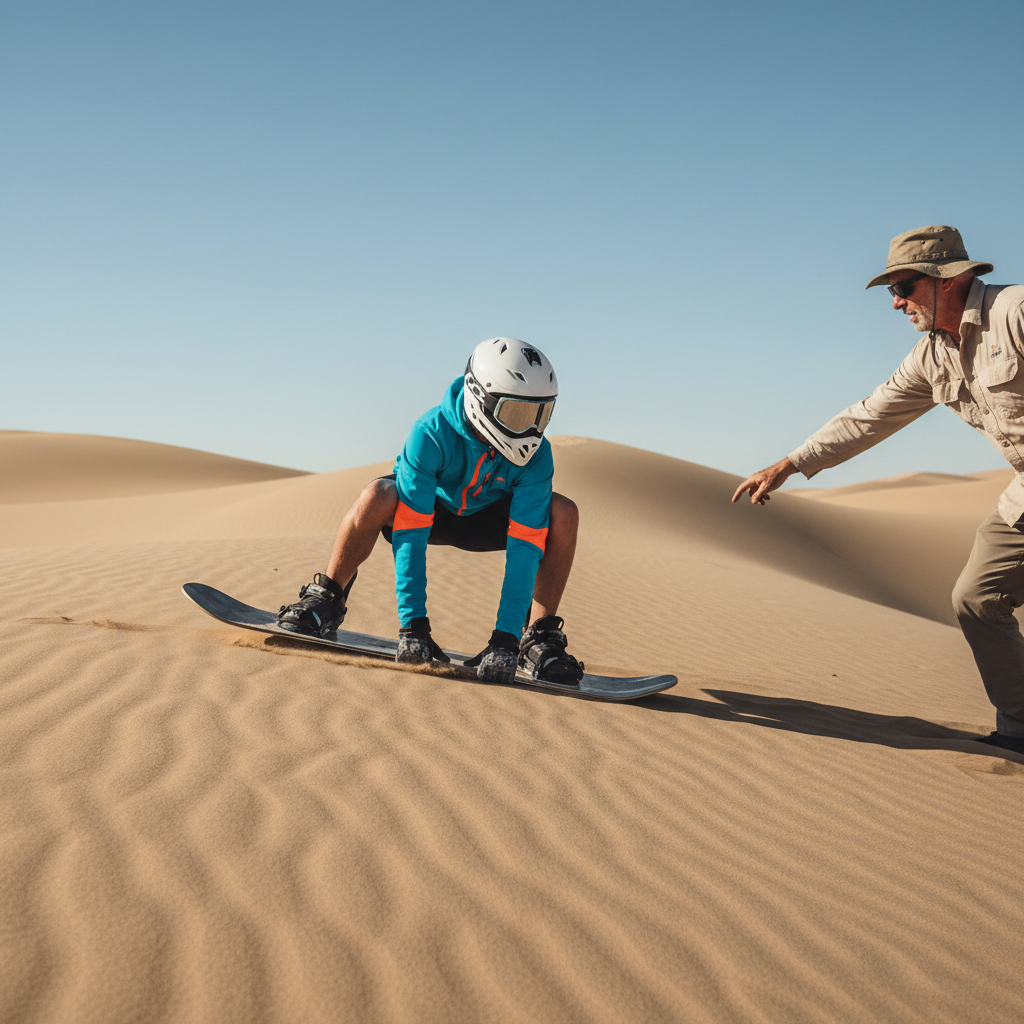
- Rentals and lessons: first-timers typically have a better day where shops or tours provide wax, boards, and basic instruction.
- Slope variety: mellow practice faces plus steeper lines for progression makes a destination more “repeatable.”
- Heat and wind reality: extreme heat can turn a fun session into a survival march, wind can sandblast your face and bury your tracks.
According to National Park Service, sand environments can shift quickly due to wind, heat, and fragile habitat concerns, so rules and access sometimes change by season or area. It’s worth checking official site updates close to your travel dates.
Top sandboarding travel destinations (a practical shortlist)
Below are destinations that usually come up for good reason, they have rideable dunes, a known season, and enough infrastructure that visitors can realistically make it happen.
United States
- Great Sand Dunes National Park, Colorado: iconic, huge dune field, great for a day trip with board rentals nearby in season.
- Coral Pink Sand Dunes State Park, Utah: smaller scale than Colorado but very approachable, often easier logistics, good for families and mixed-skill groups.
South America
- Huacachina (Ica), Peru: a classic combo of dune buggy rides and sandboarding, very tour-friendly, social vibe, easy to book on-site.
Middle East
- Dubai Desert (UAE): highly organized desert safaris often include sandboarding, great if you want convenience over “pure” DIY riding.
Africa
- Swakopmund and nearby dunes, Namibia: big dunes and strong adventure-tour scene, typically paired with coastal activities.
Oceania
- Stockton Sand Dunes (Worimi), New South Wales: popular with locals, tours and rentals are common, a solid choice if you’re already traveling Australia’s east coast.
Quick comparison table: choose a destination without overthinking it
If you’re picking from a few options, this kind of side-by-side view helps. Treat it as directional, conditions and rules can vary year to year.
| Destination | Best for | Typical trip style | Common watch-outs |
|---|---|---|---|
| Great Sand Dunes (CO) | Big dunes, bucket-list | DIY + nearby rentals | Heat, afternoon storms, walking distance |
| Coral Pink (UT) | Beginner-friendly, families | State park day trip | Wind, peak weekend crowds |
| Huacachina (Peru) | First-timers who want tours | Buggy + board package | Tour quality varies, sand can be very soft |
| Dubai Desert (UAE) | Convenience, group travel | Guided desert safari | Midday heat, short ride time on some tours |
| Swakopmund (Namibia) | Adventure travelers | Guided or semi-guided | Cold coastal winds, sand in eyes |
| Stockton Dunes (Australia) | Easy add-on experience | Tour or rental session | Access rules on protected land, wind |
Self-check: which type of sandboarder trip are you planning?
Most planning mistakes come from mismatch, people choose a place for the photo, then realize they wanted a different experience. Run through this quick list.
- I want it easy: pick destinations where guided packages are the norm (Huacachina, Dubai, many Namibia/Australia operators).
- I’m budget-sensitive: prioritize day-trip dunes near where you already are, rentals matter more than “famous.”
- I’m brand-new: look for mellow slopes, firm sand seasons, and helmets available with rentals.
- I want real progression: choose a dune field with multiple faces and room to hike for different pitches.
- I hate crowds: go early morning, shoulder season, or pick a less-hyped park and accept smaller dunes.
Key point: the best sandboarding travel destinations for beginners are usually the ones with predictable access and rentals, not necessarily the tallest dunes.
How to plan the trip: gear, timing, and the small details that change your day
Sandboarding looks simple, step on board, slide down. The details decide whether you get ten fun runs or one exhausting slog.
Timing and conditions
- Go early in hot climates, the climb feels dramatically harder after the sun is high.
- Watch wind, strong gusts can make it unpleasant fast, especially without eye protection.
- Ask about sand moisture, some operators know the best faces after cool nights or light morning moisture.
Gear that matters (and what you can usually skip)
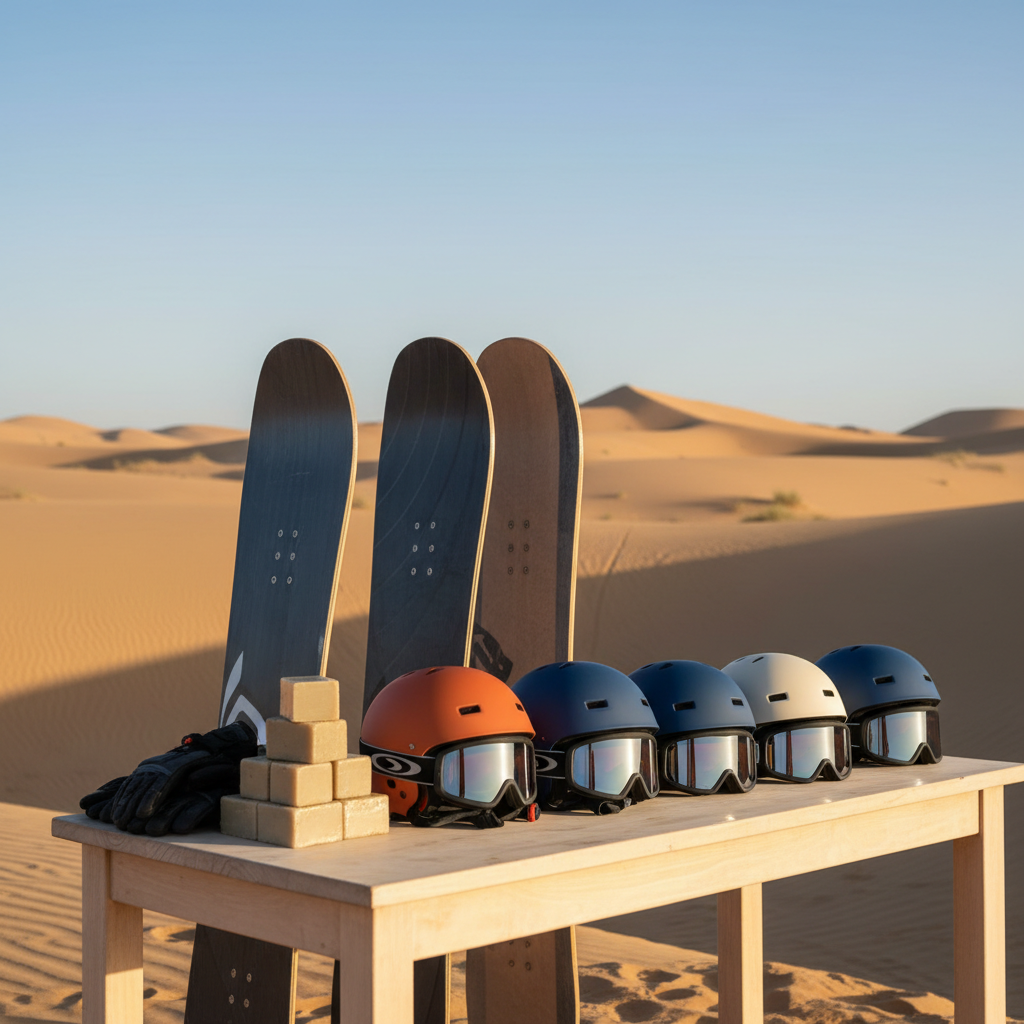
- Eye protection: goggles or wraparound sunglasses are a quality-of-life upgrade.
- Sun protection: long sleeves, sunscreen, and a hat that won’t fly away.
- Hydration plan: carry more water than you think, especially where there’s no shade.
- Board wax: many boards need wax to glide well, rentals often include it, DIY travelers sometimes forget.
- Footwear: closed-toe shoes help on hot sand and during climbs.
Technique basics that reduce wipeouts
- Start on gentle slopes, keep knees soft, eyes forward, and weight centered.
- If you’re sitting to start, commit to standing when stable rather than “half-standing” the whole run.
- Stop by carving uphill or stepping off, don’t try to dig a heel like on snow unless you know the board responds well.
Safety, access rules, and common mistakes (so you don’t waste a day)
Sandboarding is usually low-barrier, but it still has real risk. Falls on sand can cause sprains or abrasions, and heat issues sneak up on people who feel “fine” until they don’t. If you have medical concerns, it’s smart to consult a healthcare professional before high-heat activity.
- Skipping a helmet: not always required, but many guided operations offer one for a reason.
- Underestimating the hike: the climb is the workout, plan fewer runs than you do on snow.
- Ignoring local restrictions: protected habitats, seasonal closures, and designated play areas are common on dune systems.
- Going midday without shade: heat exhaustion risk rises quickly, especially for kids and older travelers.
According to U.S. National Park Service, visitors should follow posted guidance and stay within permitted areas to protect fragile dune ecosystems and avoid unsafe terrain. If you’re unsure where riding is allowed, ask a ranger or your tour operator instead of guessing.
Action plan: pick your destination in 15 minutes
If you want a no-drama way to decide, use this sequence and stop when you have a clear winner.
- Step 1: choose your “trip type,” guided convenience vs DIY adventure.
- Step 2: check your travel month against heat and wind patterns for the region.
- Step 3: confirm access rules and whether rentals exist within a reasonable drive.
- Step 4: decide what you want paired with sandboarding, hiking, city food scene, beach, or other adventure sports.
- Step 5: book the simplest piece early, often it’s lodging near dunes or a reputable tour slot.
Key takeaway: when sandboarding travel destinations feel overwhelming, pick the place that reduces uncertainty, rentals, access, and season, then let “bigger dunes” be a bonus.
Conclusion: make it fun, not complicated
The best trips come from realistic expectations, a destination that fits your comfort level, and a plan for heat, wind, and access. Pick one spot, commit to a good time window, and set yourself up with the right gear so you spend your energy riding rather than troubleshooting.
If you do one thing today, shortlist two destinations, then verify rentals and local rules for your travel month. That small check saves the most headaches.
FAQ
What are the best sandboarding travel destinations for beginners?
Places with easy access, rentals, and mellow slopes tend to work best, Coral Pink (Utah) and Huacachina tours are common starting points, depending on where you’re traveling.
Do I need a special sandboard, or can I use a snowboard?
Some people use old snowboards, but performance varies and wax matters a lot. A purpose-built sandboard or a rental usually slides better and feels less frustrating on dry sand.
When is the best time of day to sandboard?
Early morning is often more comfortable and sometimes faster if the sand has a bit more moisture. Midday can still work, but heat management becomes the main challenge.
Is sandboarding safe for kids?
It can be, if slopes are gentle, supervision is close, and protective gear fits correctly. Many families do well choosing a destination with rentals and clear designated areas.
How do I avoid getting stuck or going too slow?
Wax the base if recommended, choose a steeper face, and look for firmer sand conditions. On very soft dunes, even experienced riders can feel like they’re dragging.
Do I need a tour, or can I go on my own?
DIY works when access is clear and rentals are nearby, like some U.S. parks. A tour makes sense when entry is complex, transport is difficult, or you want instruction bundled in.
What should I pack for a sandboarding day?
Water, sun protection, eye protection, closed-toe shoes, and a light layer for wind are the basics. If you’re renting, ask whether they provide wax, helmet, and goggles.
If you’re planning sandboarding travel destinations and want a simpler path, start by choosing whether you prefer a guided package or a DIY park day, then build the rest of the itinerary around access and season, it’s the quickest way to get more riding and fewer surprises.