
best travel guide for usa 2026 usually comes down to one thing: helping you plan a trip that fits your pace, your budget, and the reality on the ground, not a fantasy itinerary that looks good on a map.
If you have been to the US before, you already know the problem, distances are big, weather swings fast, and each region feels like its own little country. If you have not, it is easy to overbook, underestimate drive times, and miss the places that would have been perfect for you.
This guide focuses on practical choices, when to go, how to build a route, what to book early, what can stay flexible, and how to avoid the common traps that burn time and money. You will also find a quick table to match trip styles with regions, plus checklists you can actually use.
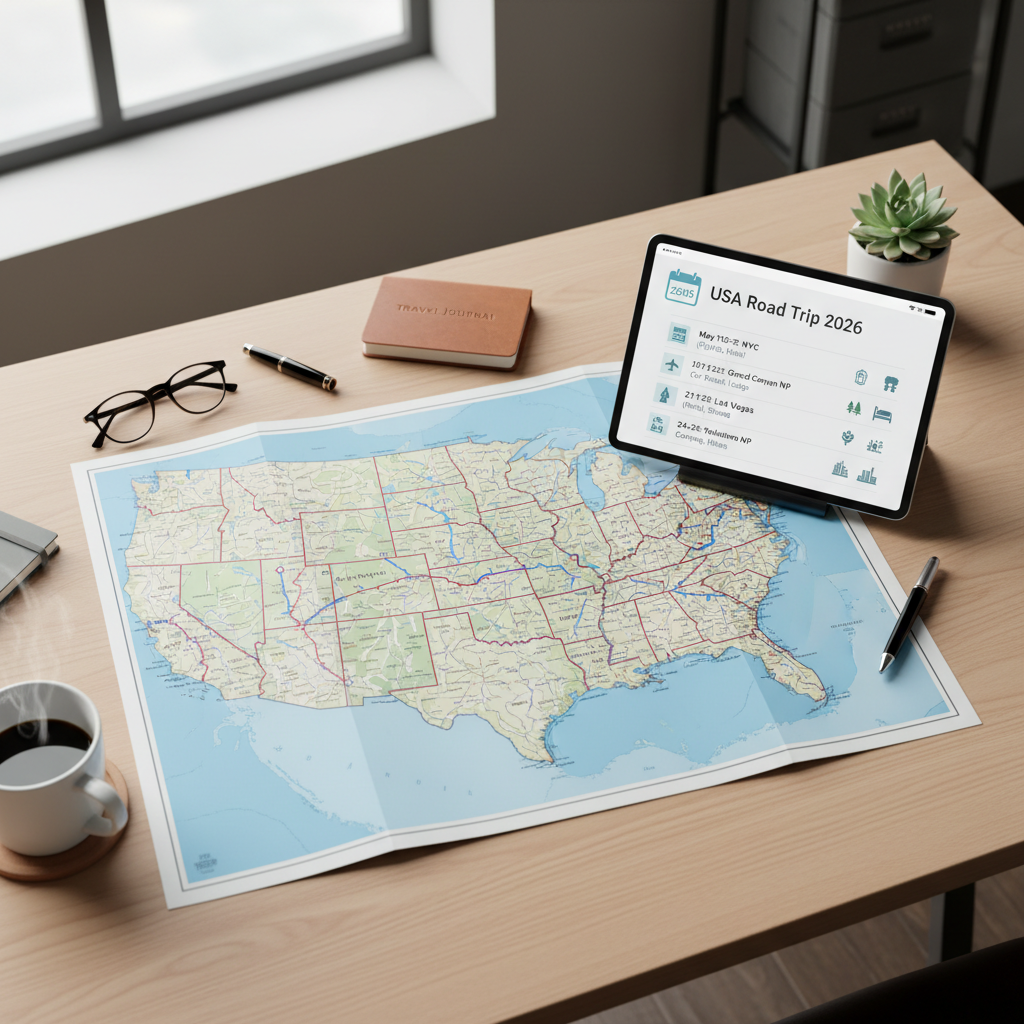
What is different about traveling in the USA in 2026
Most years, the basics stay the same, but the details that affect your day-to-day trip can shift, especially pricing, crowd patterns, and how far in advance you need to commit. In 2026, many travelers will also plan around big events and school calendars, which can tighten availability in certain cities and peak weeks.
Rather than guessing, set your plan around three realities that rarely change:
- Distance is the hidden cost, even “nearby” places can be a full-day drive once you add stops, traffic, and parking.
- Season matters more than you think, snow, wildfire smoke, hurricanes, and heat waves can reshape plans.
- Booking windows vary by category, some items should be locked early, others stay flexible to keep your trip resilient.
According to U.S. National Park Service (NPS)... many popular parks use timed entry or reservation systems at least part of the year, so you may need to plan your park days earlier than your restaurant plans.
Pick a route that matches your travel style (not just famous spots)
People ask for the best travel guide for usa 2026 because they want “the best places,” but the real win is building a route that matches how you like to travel. A couple that loves scenic drives will hate a trip built around urban museums, and a city person can get bored if you stack too many similar small towns.
Quick matcher: trip style to region
| Trip style | Best-fit regions | Why it works | Watch-outs |
|---|---|---|---|
| First-time highlights | Northeast + DC, or California | Iconic sights with strong transit options | Hotel prices can spike fast |
| National parks focus | Southwest (AZ/UT), Rockies | Big landscapes, clear park-to-park loops | Timed entry, long drives, heat |
| Food + culture | New Orleans, NYC, Chicago, SF Bay | Dense neighborhoods, strong dining scenes | Reservations and parking stress |
| Beach + easy days | Florida, Southern California, Hawaii | Relaxed pacing, family-friendly options | Storm season, crowds on holidays |
| Road trip classic | Pacific Coast, Blue Ridge, Desert loops | Views change daily, flexible stops | One-way car fees, fatigue |
If you are stuck, a helpful rule is to choose one anchor region for 7–10 days, then add a second only if the flight connections are easy and the climates make sense together.
Timing your trip: crowds, weather, and what to avoid
Timing is where many itineraries quietly break. It is not only about “good weather,” it is also about closures, wildfire smoke, hurricane risk, and how packed the roads feel.
- Spring: great for deserts and many cities, but mountain roads can still have snow closures.
- Summer: best access for high-elevation parks, but crowds and heat can be intense, and some areas see wildfire smoke.
- Fall: often the sweet spot for cities and scenic drives, but daylight gets shorter quickly in the north.
- Winter: strong for big-city trips and warm destinations, but many park areas and mountain passes can be limited.
According to National Weather Service (NWS)... forecast guidance changes frequently, so it is smart to build buffer days and keep one or two “indoor-friendly” options in each city in case weather flips your plan.
Budget and booking: what to lock early vs keep flexible
In many cases, “saving money” in the US is less about finding a secret deal and more about making a few calm choices early. If you want the best travel guide for usa 2026 to be useful, it has to tell you what actually matters for cost control.
Book early (often worth it)
- Flights for peak periods, and any multi-city route with limited options.
- Hotels in small gateway towns near national parks, rooms can disappear.
- Key reservations such as timed entry, popular tours, and headline attractions.
Keep flexible (protect your sanity)
- Most meals, unless there is one specific restaurant you truly care about.
- Day-by-day park hikes, trail conditions can change, and your energy matters.
- Neighborhood time in cities, this is where good trips feel personal.
One practical approach is to set a “core skeleton” of nights and long-distance moves, then leave 20–30% of daytime plans open. It sounds small, but it can save a trip when traffic or weather hits.
Safety and logistics that make the trip smoother
No guide can eliminate risk, and health or safety choices depend on your situation, but a few habits reduce problems in many scenarios. If you have medical concerns or plan remote hiking, consider checking with a qualified professional about your personal limits and supplies.
- Driving: plan conservative drive days, fatigue causes bad decisions, and parking rules vary by city.
- Outdoor safety: carry water, sun protection, and offline maps, cell coverage can drop in parks.
- Emergency basics: keep addresses and key phone numbers accessible, not only inside one app.
- Insurance: review what your card covers versus a standalone policy, especially for rental cars.
According to Centers for Disease Control and Prevention (CDC)... travelers should stay aware of local health advisories and prepare for heat, altitude, and changing conditions, which is especially relevant for desert and mountain itineraries.
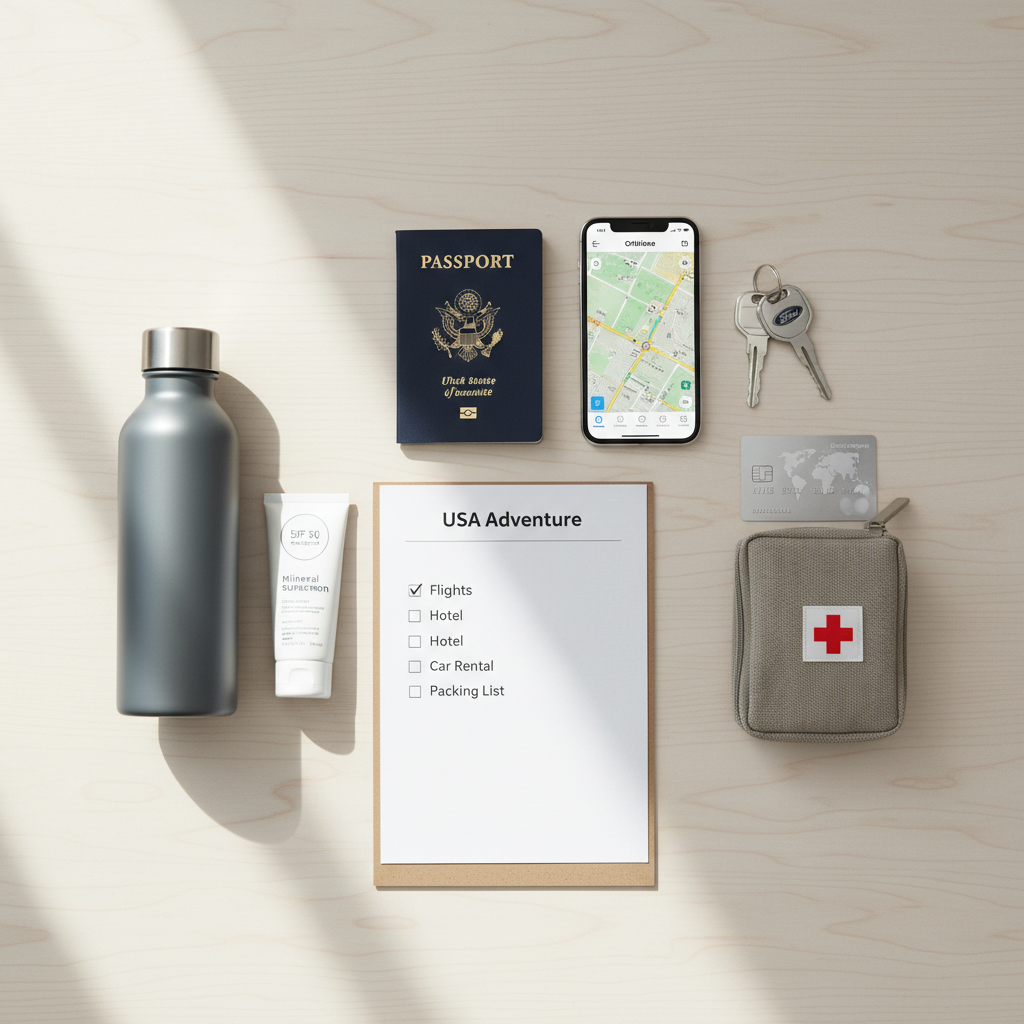
A practical planning checklist you can finish in one weekend
If you want a quick way to act on this best travel guide for usa 2026, this is the sequence that tends to work without overthinking.
- Step 1: Choose your travel theme (parks, cities, beaches, road trip), then pick one anchor region.
- Step 2: Set trip length and pace, decide how many “move days” you can tolerate.
- Step 3: Sketch a simple loop, fewer one-way jumps usually means less stress.
- Step 4: Check season reality, heat, snow, storm patterns, and daylight hours.
- Step 5: Book the high-friction items, flights, must-have hotels, timed entry.
- Step 6: Build two versions of each day, a good-weather plan and an indoor or low-effort backup.
Key takeaway: your itinerary should be “strong enough to hold,” but “loose enough to breathe.” That balance is what turns a busy plan into a good memory.
Conclusion: how to make your USA trip feel easy in 2026
The best trips in the US rarely come from doing everything, they come from choosing a route that fits you, booking the few things that truly sell out, and leaving room for weather, traffic, and real-life energy. If your plan feels tight on paper, it will feel tighter in the car.
Pick one region, choose your season, lock the essentials, and give yourself a little slack in the middle of the day. If you do that, this best travel guide for usa 2026 becomes less of a list and more of a system you can reuse for any state.
If you are planning now, make one concrete move today: draft a 7-day outline with drive times, then circle the two reservations that could break your itinerary if you delay.