
The best travel neck wallet rfid blocking choice is usually the one you will actually wear all day, keeps your passport flat, and makes access easy without advertising where your valuables sit.
If you have ever fumbled for an ID at airport security, worried about pickpockets in a crowded subway, or realized your passport got sweaty against your skin, you already know why neck wallets are a love-hate travel item. A good one feels almost invisible, a bad one turns into an itchy pouch you stop using by day two.
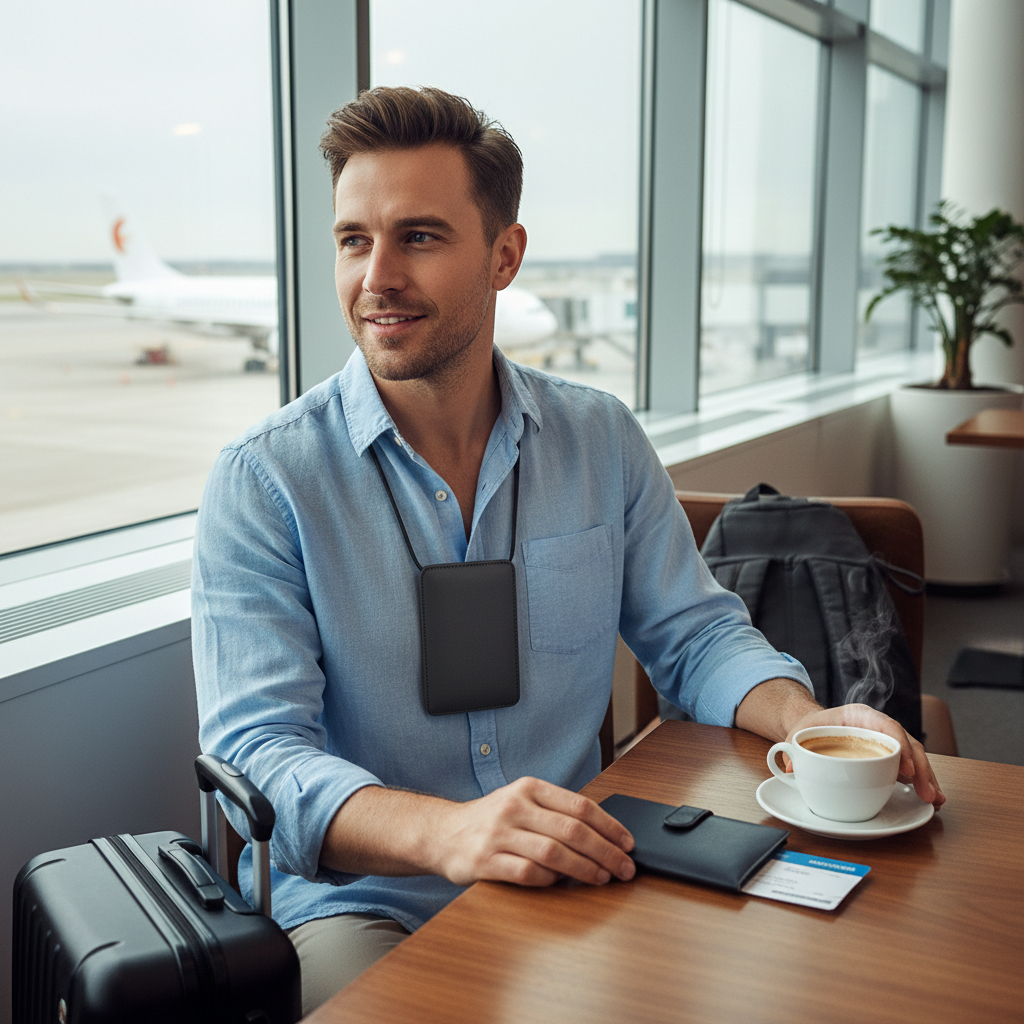
Also, RFID-blocking gets marketed like magic. In reality, it is one layer in a broader “don’t lose your stuff” system: smart carry, smart backups, and avoiding obvious target behavior. This guide helps you pick a neck wallet that fits your trip, then set it up so it actually works in the real world.
What “RFID Blocking” Really Means for a Travel Neck Wallet
RFID-blocking fabric is designed to reduce reading of certain contactless chips, like some credit cards and passports, at close range. It can help in situations where a scanner is pressed near your pocket or bag, but it is not a substitute for basic awareness.
According to the U.S. Federal Trade Commission (FTC), many consumer security choices work best when combined with broader identity protection habits, like monitoring accounts and limiting exposure of sensitive info. A neck wallet is similar: it can reduce risk, but the biggest wins often come from how you carry and when you expose documents.
- Passport chips: Some passports include an RFID chip. A shielded pocket can reduce the chance of casual scanning when the passport is stored.
- Contactless cards: Many cards use NFC. A blocking layer may reduce read attempts when cards are stacked together.
- Limits: If you hand your card to a merchant, or you keep photos of documents unsecured on your phone, RFID fabric does nothing for that.
Who Actually Benefits Most from a Neck Wallet (and Who Might Not)
Neck wallets shine in crowded, high-movement travel days: airport transfers, public transit, festivals, markets, and long walking routes where a backpack comes on and off repeatedly. They also help if you need to keep a passport on your body in places where hotel safes feel questionable.
But some travelers end up happier with a money belt or a zipped crossbody. If you run hot, do lots of outdoor activity, or hate anything touching your neck, you might buy “the best” model on paper and still abandon it.
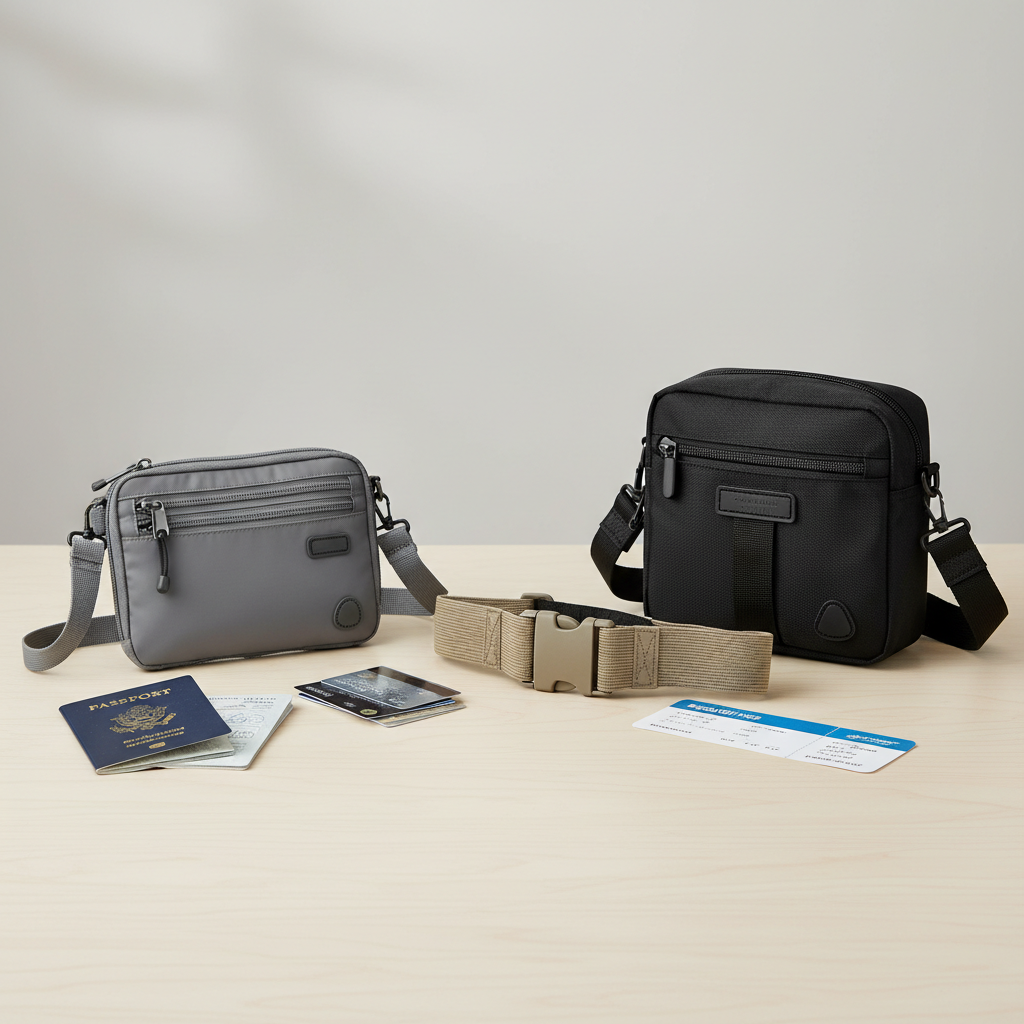
Quick reality check: if you plan to access your wallet every 10 minutes for coffee, metro tickets, and tips, a neck wallet can become annoying. Many experienced travelers use it for “deep storage” and keep a small day wallet for frequent spend.
How to Choose the Best RFID Blocking Travel Neck Wallet: The Non-Negotiables
Most product pages focus on RFID and “anti-theft,” but comfort and layout decide whether you keep using it. Here is what I would treat as non-negotiable for the best travel neck wallet rfid blocking pick.
1) Comfort and skin contact
- Back panel: Look for soft, breathable material against skin or undershirt. Mesh can help, but rough mesh can also chafe, so texture matters.
- Edges and seams: Thick seams create pressure points under a fitted shirt.
- Strap adjustability: You want it to sit mid-chest, not swinging at your stomach.
2) Layout that fits real travel documents
- Passport slot that stays flat: If the passport bends, it prints through your shirt and feels bulky.
- Dedicated card area: Two to four cards is realistic for most trips.
- Cash management: One pocket for larger bills, another for “spend today” cash helps avoid flashing a wad.
3) Closure and access
- Zippers: Smooth zipper tracks matter more than people admit, especially when you are stressed at check-in.
- Quiet access: Loud Velcro draws attention in a line.
- Security layering: Some designs combine a zipper plus flap. That can slow thieves, but also slows you, so match it to your habits.
4) RFID coverage where it counts
RFID-blocking material should cover the pocket where you store chipped documents. If the “shielding” only sits on a front panel while the card pocket is unlined, it is mostly marketing.
Feature Comparison Table: What Matters Most (and What’s Nice to Have)
Use this as a fast way to compare options without getting pulled into brand claims.
| Feature | Why it matters | What to look for | Common trade-off |
|---|---|---|---|
| RFID-blocking pocket | Reduces casual scanning risk for chipped items | Lined pocket sized for passport/cards | Can add stiffness or bulk |
| Low-profile build | Less visible under clothing, more comfortable | Thin seams, flat passport slot | Less room for bulky items |
| Moisture control | Helps in hot climates and long days | Breathable back panel, quick-dry fabric | Some mesh can feel scratchy |
| Strap system | Stability under walking and transit | Wide, adjustable, soft strap | Wider straps can show under thin shirts |
| Organization | Less fumbling, less exposure in public | Separate pockets for passport, cash, cards | Too many pockets adds thickness |
Self-Check: Which Neck Wallet Setup Fits Your Trip?
Before you buy, match your travel style to the carry strategy. This prevents the common “it’s perfect but I hate wearing it” outcome.
- Mostly cities, crowded transit: Prioritize low profile, quiet access, stable strap. Keep only essentials inside.
- Hot weather, lots of walking: Prioritize breathable back panel and sweat management. Consider wearing over a thin base layer.
- Frequent ID checks (border crossings, hostels): Prioritize fast access and a passport slot that doesn’t jam.
- Road trips, lower crowd density: You may prefer a small crossbody with zip plus internal RFID sleeve, using the neck wallet only on big transit days.
Personal tolerance matters: if anything around your neck triggers discomfort, a neck wallet is not “more secure” if you end up leaving it in your daypack.
Practical Setup: How to Use a Neck Wallet Without Making Life Hard
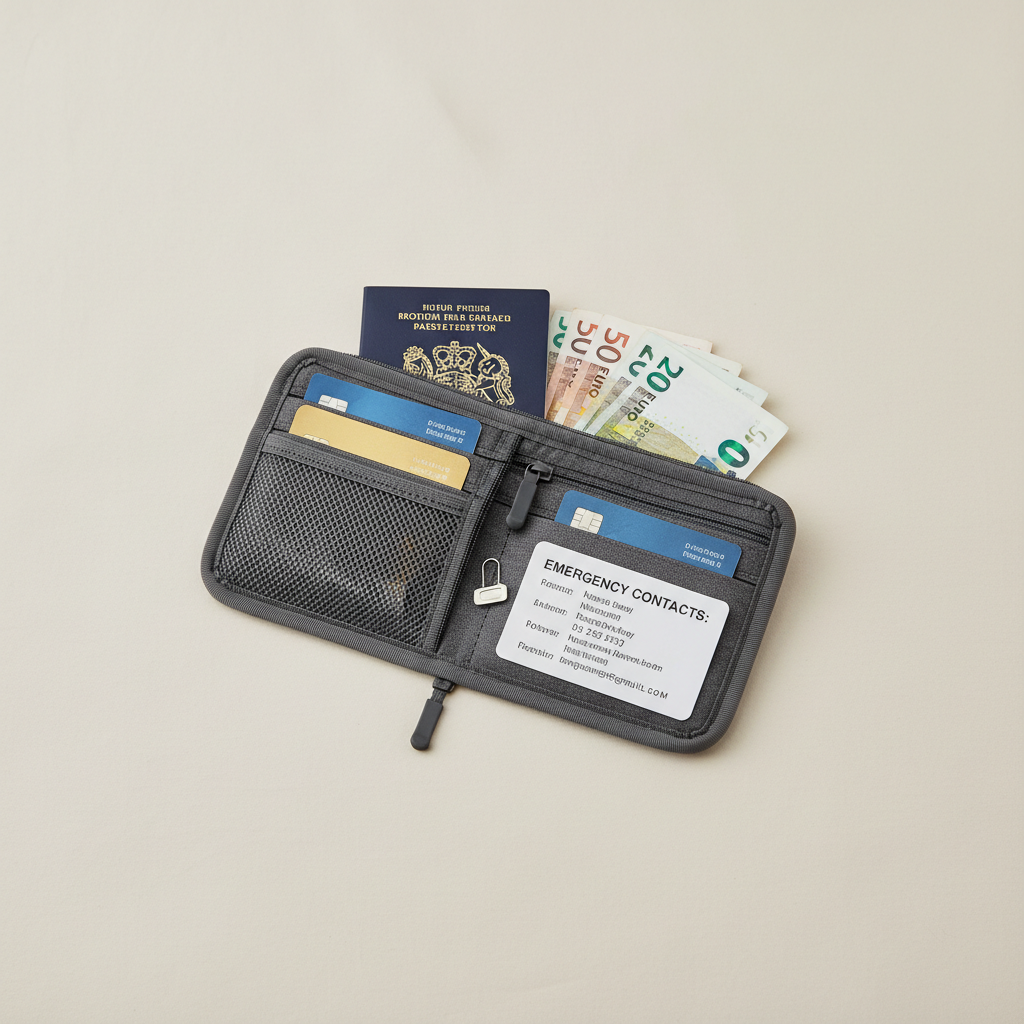
The best travel neck wallet rfid blocking approach is usually a two-wallet system: one “deep storage” neck wallet and one small daily wallet. That way you do not expose your passport and backup cards every time you buy a snack.
Step-by-step setup
- Step 1: Put “hard to replace” items inside: passport, one primary card, one backup card, a small amount of emergency cash.
- Step 2: Keep “easy to replace” items outside: transit card, small daily cash, maybe your hotel key, in a separate small wallet.
- Step 3: Adjust the strap so the pouch sits flat under your shirt, slightly off-center can feel better than dead center.
- Step 4: Practice access once at home. If you must fully undress to reach it, you will stop using it.
- Step 5: Set a routine: only open it indoors or when you have space, not while you are being jostled.
Key takeaways (the stuff that saves headaches)
- Less inside is safer: a stuffed neck wallet prints through clothing and invites attention.
- Keep documents dry: a thin plastic sleeve for passport can help in humid climates, just do not make it bulky.
- Backups matter: store digital copies securely, and consider leaving a copy with a trusted contact.
Mistakes to Avoid (Even If the Product Is “Top Rated”)
Most complaints about neck wallets are predictable, and they are usually user-fit issues, not manufacturing defects.
- Wearing it on bare skin in summer: chafing and sweat build-up make you abandon it. A thin undershirt often fixes this.
- Over-relying on RFID claims: RFID-blocking is not a blanket anti-theft system. Pickpocketing is usually about access and distraction.
- Storing your phone inside: it becomes bulky, hot, and you pull your valuables out constantly.
- Opening it in the middle of a crowd: you end up flashing passport, cash, and cards in one move.
- Buying a huge “travel organizer” style: it sounds convenient, but under-clothes carry works best when slim.
According to the U.S. Department of State, travelers should keep passports secure and plan for loss or theft with backups and awareness. A neck wallet can support that goal, but it is not the whole plan.
When to Consider Professional or Extra Help
If you are traveling with complex documentation, high-value equipment, or you have concerns about personal safety, it can be worth getting tailored advice. For example, corporate travel security teams often have protocols that go beyond consumer gear.
- High-risk destinations or special circumstances: consider guidance from professional travel security services.
- Identity theft concerns: if you suspect fraud, you may want to contact your bank and consider identity protection steps; in the U.S., resources like IdentityTheft.gov exist for reporting and recovery guidance.
- Medical devices: if you wear a medical device that could be affected by magnets or tight straps, it is sensible to consult a clinician or device manufacturer guidance.
Conclusion: Picking the Right Neck Wallet Comes Down to Wearability
If you want the best travel neck wallet rfid blocking option, focus less on bold security claims and more on comfort, low profile, and a layout that matches how you actually move through airports and cities. RFID-blocking is a useful feature, but the real upgrade is reducing how often you expose your most important documents.
Your next action can be simple: choose a slim model with a properly lined RFID pocket, then set it up with “deep storage” essentials only, and keep a separate small daily wallet for frequent spending.
FAQ
- Do I really need an RFID-blocking neck wallet for travel?
It depends on your comfort level and where you travel. Many people choose it for peace of mind and better organization, but good situational habits often matter more than a single feature. - Will RFID-blocking stop all types of theft?
No. It may reduce certain close-range scanning attempts, but it does not stop pickpocketing, scams, or account takeover if your card details get copied elsewhere. - Is a neck wallet better than a money belt?
Some travelers find neck wallets easier to access discreetly, while others prefer a waist carry for comfort. Your body type, climate, and clothing style can make one clearly better. - Where should I wear a neck wallet so it’s not visible?
Usually under a shirt, resting flat on the chest. Keep it slim, adjust the strap, and avoid stacking thick items that create a noticeable outline. - What should I put in my neck wallet vs my day wallet?
Neck wallet: passport, backup card, emergency cash. Day wallet: one spending card, small cash, transit card. This reduces “full exposure” moments in public. - Can I put my phone in a travel neck wallet?
You can, but it often becomes bulky and forces frequent access. Many travelers keep the phone separate and only store documents and backup payment methods inside. - How do I keep my passport from getting sweaty in a neck wallet?
Wear a thin undershirt, pick a breathable back panel, and consider a slim protective sleeve. If sweating is heavy, a money belt or internal pocket might feel better.
If you are deciding between a few models and want a more “set-and-forget” setup, it can help to list your must-carry items, your climate, and how often you need to show ID, then pick the smallest neck wallet that fits those needs without pinching or printing through your shirt.