
best mountain travel destinations 2026 is a useful search when you want big scenery without wasting PTO on overcrowded trailheads, smoky skies, or “closed for the season” surprises.
Mountain trips look simple on social media, but real planning usually comes down to three things: timing, access, and what you actually want to do once you arrive. Skiing and scenic drives don’t follow the same calendar, and altitude changes what “easy” feels like.
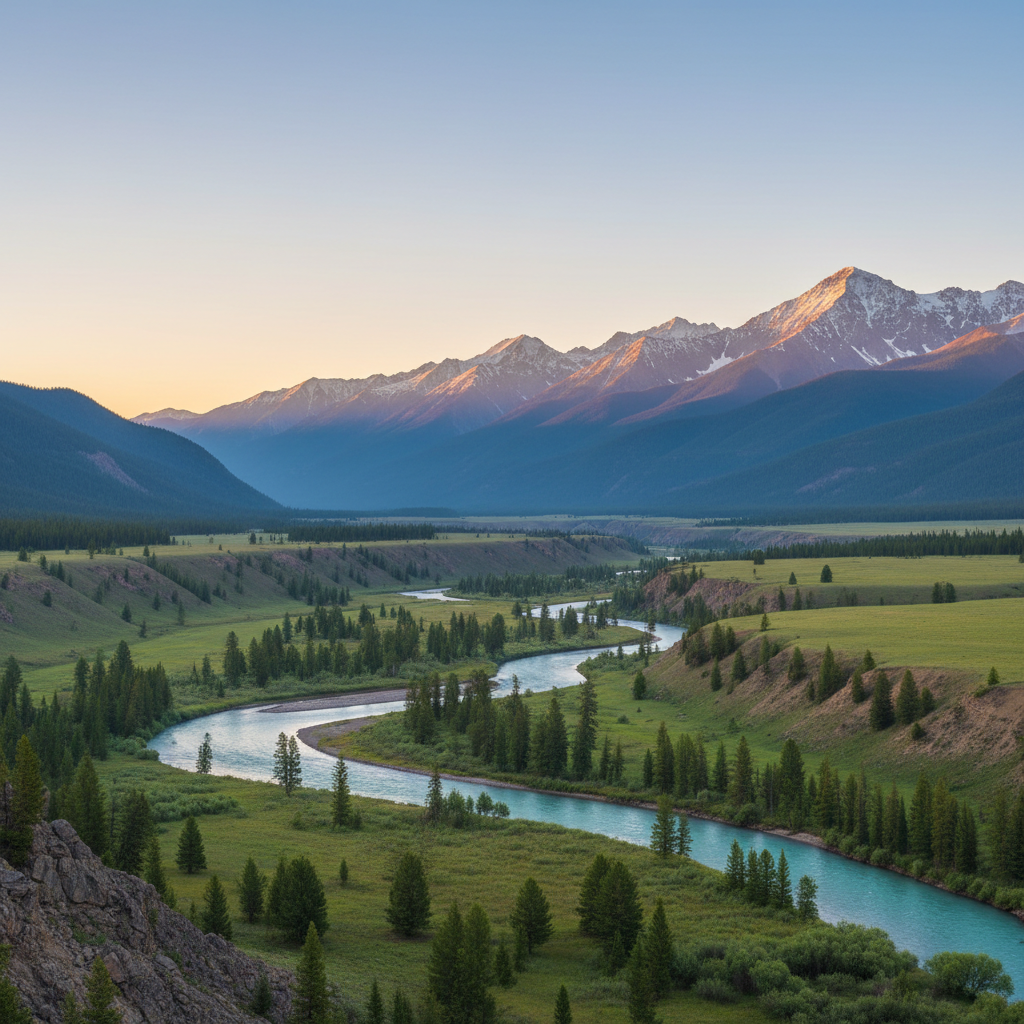
This guide focuses on places Americans can realistically reach in 2026, plus what makes each destination worth the effort, when to go, and how to avoid the most common planning traps.
What “best” means for mountain travel in 2026
Not every “best” list fits your trip, so it helps to define the win. In mountain destinations, the difference between an amazing week and a stressful one is often one decision: choosing the right region for your priorities.
- Access: Direct flights, reliable roads, and shuttle systems matter more than people admit, especially for short trips.
- Season fit: Wildflowers, fall color, ski season, and shoulder-season closures rarely overlap.
- Crowd pressure: Some parks require timed entry or have limited parking, others still feel open even at peak times.
- Weather and smoke risk: Conditions vary year to year, so build backup options and don’t anchor everything to one hike.
According to the National Park Service (NPS), some high-demand parks use reservation or timed-entry systems during peak periods, so planning ahead can save a lot of frustration.
Quick shortlist: best mountain travel destinations 2026
Below is a practical starting list, mixing iconic names with places that often feel easier on logistics. Think of it as a menu, you can optimize for views, hiking, skiing, road trips, or a mix.
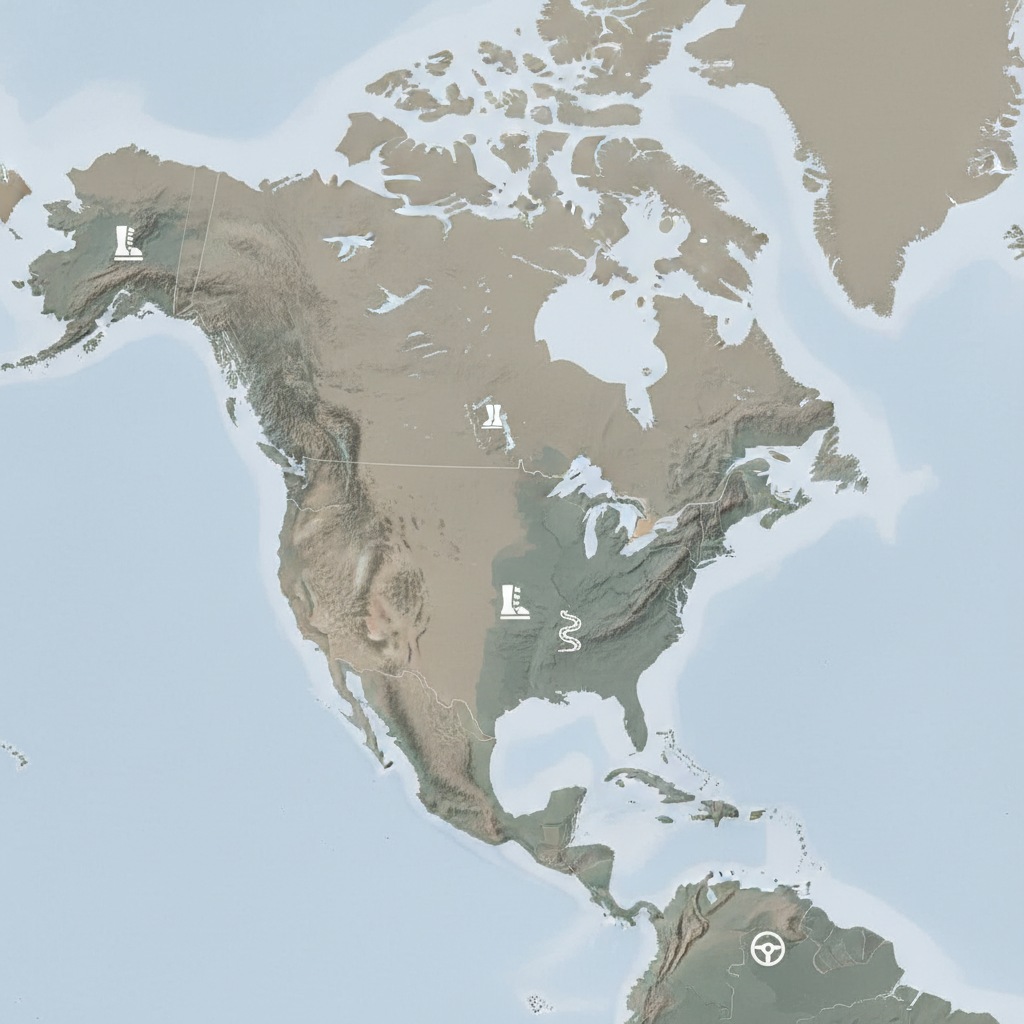
U.S. mountain picks
- Rocky Mountain National Park, Colorado: Classic alpine views, high-elevation drives, strong town infrastructure nearby. Watch for timed entry and afternoon storms.
- Glacier National Park, Montana: Big scenery and legendary drives, with planning complexity around road access and reservations in peak season.
- Grand Teton National Park, Wyoming: Fast payoff for photographers and day hikers, plus easy pairing with Yellowstone if you can handle crowds.
- North Cascades, Washington: Sharper, wilder feel, fewer services, and a strong “serious mountains” vibe without the same level of hype.
- Sierra Nevada (Yosemite gateway towns + Eastern Sierra), California: High reward, but you need flexibility for access rules, weather swings, and regional conditions.
- Great Smoky Mountains, Tennessee/North Carolina: One of the most accessible mountain trips for families, with endless short hikes and scenic overlooks.
- Denali area, Alaska: A bigger commitment, but it delivers a scale that’s hard to match, especially for wildlife and wide-open landscapes.
Canada add-ons (often worth the extra step)
- Banff and Jasper, Alberta: Iconic turquoise lakes and polished infrastructure, though peak-season lodging can be tight.
- Whistler and the Sea-to-Sky region, British Columbia: A flexible base for hikes, gondolas, and relaxed village time, good for mixed groups.
Choose your destination by trip type (not hype)
Many people book a destination first, then realize the activities don’t line up with their group. Picking by trip type usually creates fewer regrets.
- Short 3–4 day trip: Look for easy flights plus a compact base town, like Jackson (Tetons) or Estes Park (RMNP).
- Scenic drive priority: Glacier, Rockies, and the Canadian Rockies tend to satisfy even if you hike less.
- Beginner hiking: Smokies and Tetons offer lots of “big view, reasonable effort” options.
- Quieter, more rugged feel: North Cascades and parts of Alaska reward preparation and patience.
When people search best mountain travel destinations 2026, what they often mean is “Where can I go that still feels special even if I don’t summit anything?” The answer is usually a place with great viewpoints, varied day-trip options, and a plan that respects weather.
Planning table: best time to go, what to book early, what can wait
Mountain travel can be deceptively logistical. This table is meant to reduce the “we’ll figure it out there” risk, especially during school breaks and peak foliage windows.
| Region | Best windows (typical) | Book early | Can be flexible |
|---|---|---|---|
| Colorado Rockies | Jun–Sep, late Sep for fall color | Lodging, popular trail shuttles or entry systems | Specific hikes, picnic spots, scenic stops |
| Glacier (MT) | Late Jun–Sep | Park access/reservations, lodging, key boat tours | Side hikes, secondary viewpoints |
| Tetons (WY) | Jun–Sep, late Sep quieter | Lodging, rental car | Which lakes/hikes each day |
| North Cascades (WA) | Jul–Sep | Limited lodging if staying inside the region | Day-hike choices based on weather |
| Smokies (TN/NC) | Apr–May, Oct for foliage | Cabins/hotels for peak weekends | Trail selection, scenic drives |
| Banff/Jasper | Jun–Sep, Sep for shoulder season | Lodging, shuttle/parking strategies | Exact lake order and viewpoints |
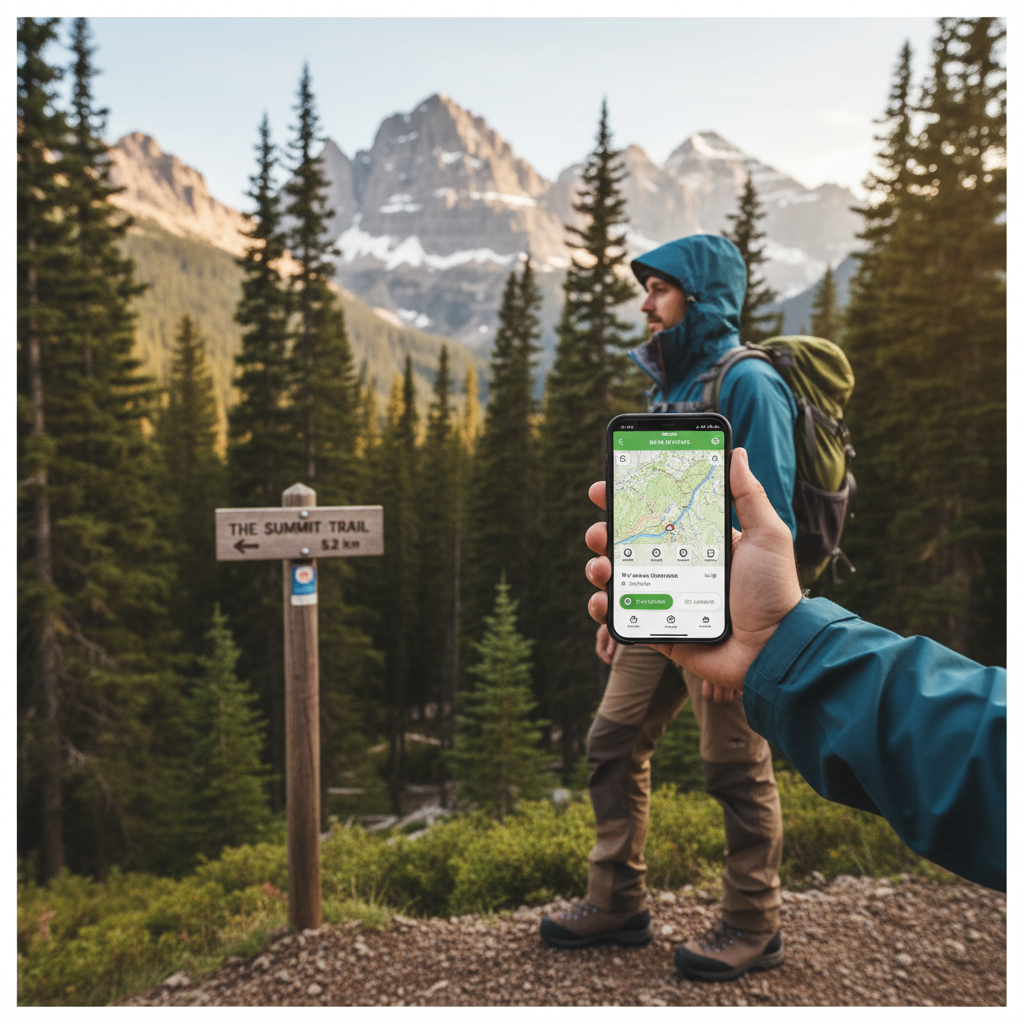
Self-check: which mountain destination fits you?
If you’re stuck between a few options, use this quick checklist. It’s not glamorous, but it’s the part that usually prevents a trip from going sideways.
- Altitude tolerance: If you’ve felt headaches or nausea above 8,000 feet before, build in an easier first day and avoid stacking hard hikes early.
- Mobility and comfort needs: Prioritize regions with great viewpoints accessible by short walks and well-maintained roads.
- Budget style: If you want simple meals and lower lodging costs, consider less-hyped areas or shoulder season.
- Driving confidence: Some routes involve mountain passes, limited shoulders, and fast-changing conditions.
- Trip goal clarity: “A couple iconic photos” points you one way, “quiet miles on trail” points you another.
According to the Centers for Disease Control and Prevention (CDC), altitude exposure can affect travelers differently; if you have health concerns, it’s sensible to talk with a clinician before high-elevation plans.
Practical itinerary tips that actually reduce stress
Here are the moves that tend to make mountain trips smoother, regardless of which of the best mountain travel destinations 2026 you choose.
- Plan one “anchor” per day: a marquee viewpoint or hike, then leave the rest adaptable for weather and energy.
- Start earlier than you think: Parking fills, afternoon storms build, and light is better in the morning anyway.
- Use a hub town wisely: Staying in one base can be calmer than bouncing hotels, even if day drives run longer.
- Carry a low-effort backup list: scenic drives, visitor centers, short lakeside walks, museums, or a gondola ride.
Key takeaways: Treat weather as a schedule constraint, not an annoyance, book the few hard-to-change items early, and leave your daily plan flexible.
Safety, permits, and common mistakes to avoid
Mountain travel feels casual until it doesn’t. A few small choices tend to prevent big problems.
- Underestimating weather swings: Temperatures can change quickly, so layers matter even in summer.
- Ignoring trail and road status: Check official park/forest updates the morning you go, not just the night before.
- Overpacking the itinerary: Two major hikes a day looks good on paper, then someone tweaks a knee or the sky turns.
- Wildlife shortcuts: Give animals space, and follow local guidance. If you’re unsure, default to distance.
- Permit surprises: Some areas require reservations for entry, parking, shuttles, or specific trails, and rules can change by season.
According to the U.S. Forest Service, trip planning should include checking current conditions and being prepared for rapidly changing mountain weather; that advice sounds basic, but it’s where many preventable issues start.
When it makes sense to get professional help
If your trip involves technical terrain, winter travel, or you’re traveling with kids or older adults who need a tighter safety margin, outside help can be a smart spend.
- Guided hiking or mountaineering: Useful when route-finding, exposure, or snow travel becomes a factor.
- Avalanche education or winter guides: If you’re going beyond groomed resorts, training is often more important than gear.
- Medical considerations: If you have heart/lung conditions, pregnancy, or past altitude illness, a clinician’s input can help set safe limits.
This isn’t about overreacting, it’s about matching risk to experience so the trip stays fun.
Conclusion: how to pick your 2026 mountain trip with confidence
The best mountain travel destinations 2026 won’t feel “best” if the timing, access, and expectations don’t match your group, so start with trip type, choose a realistic season window, then lock in the few items that sell out.
If you want a clean next step, pick two destinations from the shortlist, compare flight and lodging options for two different weeks, then build a simple plan with one anchor activity per day and two backups for weather.