
Coastal town travel guide searches usually come from one pain point: you want seafood that tastes like the ocean, not a frozen platter with a view. The tricky part is that “best seafood” depends on timing, local supply, and how a town actually eats, not just what shows up on review apps.
This guide focuses on practical moves: how to choose the right kind of coastal town, what “fresh” really means in different regions, how to spot tourist-trap menus fast, and how to build a simple 48-hour plan around seafood without missing the rest of the coast vibe.
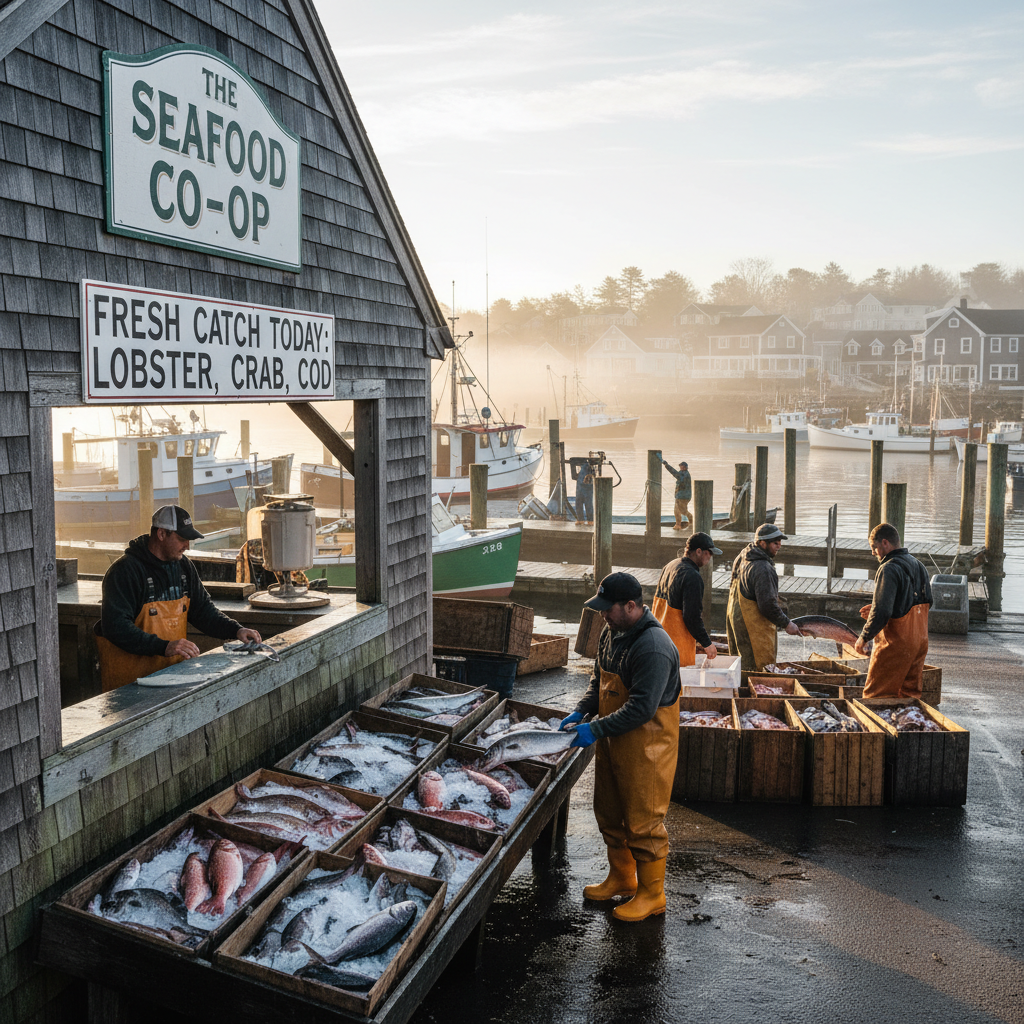
One common misconception: “dock-to-table” automatically means better. Sometimes it does, sometimes it just means the restaurant is near a dock. You’ll do better by learning a few signals of quality, asking the right questions, and matching your trip to what’s in season.
Pick the right kind of coastal town (it changes your seafood)
Not every beach town is a seafood town. Some are primarily resort communities where menus cater to visitors, while others still run on fishing, aquaculture, or a working waterfront. Your experience shifts a lot based on which you choose.
- Working harbor towns: more likely to have simple, species-specific menus and solid fish markets, sometimes fewer “cute” attractions.
- Resort beach towns: more variety and nightlife, but a higher chance of generic seafood combos and inflated pricing.
- Historic coastal cities: strong restaurant scenes and chefs, but seafood may be sourced broadly rather than truly local.
- Aquaculture hubs: excellent oysters, mussels, clams, and sometimes salmon, with strong traceability.
If your coastal town travel guide goal is “maximum seafood quality per meal,” prioritize places with a fish market culture and a waterfront that still works for a living.
What “fresh seafood” actually means in the U.S.
Fresh is more complicated than people want it to be. Many fish are frozen at sea (often a good thing for quality), while shellfish freshness depends heavily on handling and temperature. The key is not just “never frozen,” it’s sourcing and storage.
According to the U.S. Food & Drug Administration (FDA), seafood safety relies on proper time-and-temperature control and, for some species, specific parasite-destruction steps (often done via freezing). So “fresh” should never override “safe.”
Quick freshness cues that usually hold up
- For fish fillets: moist (not slimy), clean ocean smell (not “fishy”), firm texture, no browning edges.
- For whole fish: clear eyes, bright red gills, tight scales, not sagging.
- For oysters: cold to the touch, tightly closed shells (or close when tapped), briny smell.
And yes, you can ask: “What came in today?” A good spot answers calmly. A tourist trap gets defensive or vague.
Use this 5-minute checklist to avoid tourist-trap seafood
Most people waste their first night by picking the restaurant with the best patio. Views are great, but you can screen menus quickly before you commit.
- Menu language: lots of “seafood medley,” “captain’s platter,” “market fish” with no species named can be a warning sign.
- Species specificity: better places list the fish (black sea bass, red snapper, rockfish) and prep style.
- Fryer overload: one fried item is normal, but if everything is fried, it may be covering mediocre product.
- Local staples: every region has tells—New England chowder, Gulf shrimp, West Coast Dungeness, Mid-Atlantic blue crab, Pacific Northwest oysters.
- Market presence: a real fish market nearby often correlates with better restaurant sourcing.
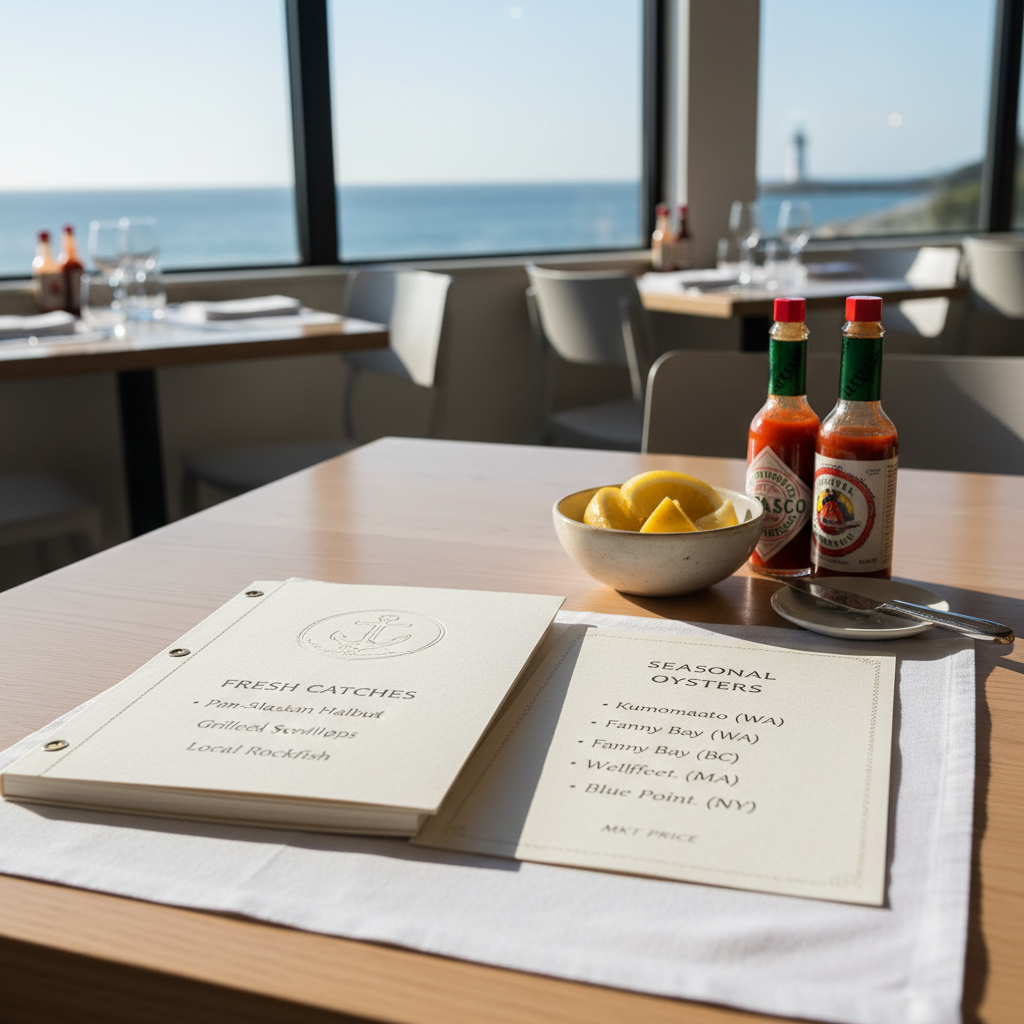
Key point: if a town is truly proud of its catch, it tends to name it. If a restaurant is hiding the species, you’re the one taking the gamble.
Seafood-by-region cheat sheet (and what to order)
A coastal town travel guide is most useful when it tells you what to order where. This table isn’t exhaustive, and availability changes by season and regulations, but it’s a strong starting point for U.S. travelers.
| Region | What often shines | Smart orders | Common pitfall |
|---|---|---|---|
| New England | Lobster, scallops, oysters | Whole-belly clams, raw bar, day-boat scallops (when available) | Overpaying for lobster rolls that are mostly filler |
| Mid-Atlantic | Blue crab, oysters, striped bass (seasonal) | Crab cakes with minimal binder, local oyster flights | “Maryland-style” crab cakes far from crab country |
| Southeast | Shrimp, oysters, grouper/snapper (varies) | Peel-and-eat shrimp, grilled local fish, oyster roasts in season | Generic “grouper” labels with unclear sourcing |
| Gulf Coast | Shrimp, oysters, redfish | Blackened redfish, boiled shrimp, oyster po’boys (done right) | Assuming every place handles fried seafood well |
| West Coast | Dungeness crab (seasonal), halibut (seasonal), oysters | Crab when in season, grilled fish tacos at busy spots, uni in select areas | Paying premium for “seafood towers” that sit too long |
| Pacific Northwest | Oysters, salmon (varies), spot prawns (seasonal) | Oyster farm tastings, salmon preparations from reputable kitchens | Confusing “wild” claims without details |
If you’re unsure what’s truly local, ask for “what’s running right now” or “what came from nearby waters this week.” It’s a small question that often changes your whole meal.
A simple 48-hour seafood-first itinerary (that still feels like a vacation)
This is the part most guides skip: pacing. If you stack heavy fried meals back-to-back, you’ll feel wrecked by day two. Build variety on purpose.
Day 1: Arrival to first dinner
- Late afternoon: walk the waterfront and find the fish market first, even if you don’t buy.
- Pre-dinner move: pick one “signature” thing (oysters, crab, lobster, shrimp) and commit.
- Dinner: order one raw or chilled item, one simply cooked fish, and one local side.
That combination tells you a lot about quality because it removes hiding spots. Heavy sauces and deep fryers can mask problems.
Day 2: Market breakfast, strategic lunch, early dinner
- Morning: coffee + something light, then hit the market when it’s active.
- Lunch: go casual, the kind of place that stays busy with locals.
- Early dinner: choose the restaurant most likely to handle peak freshness, then finish with a sunset walk.
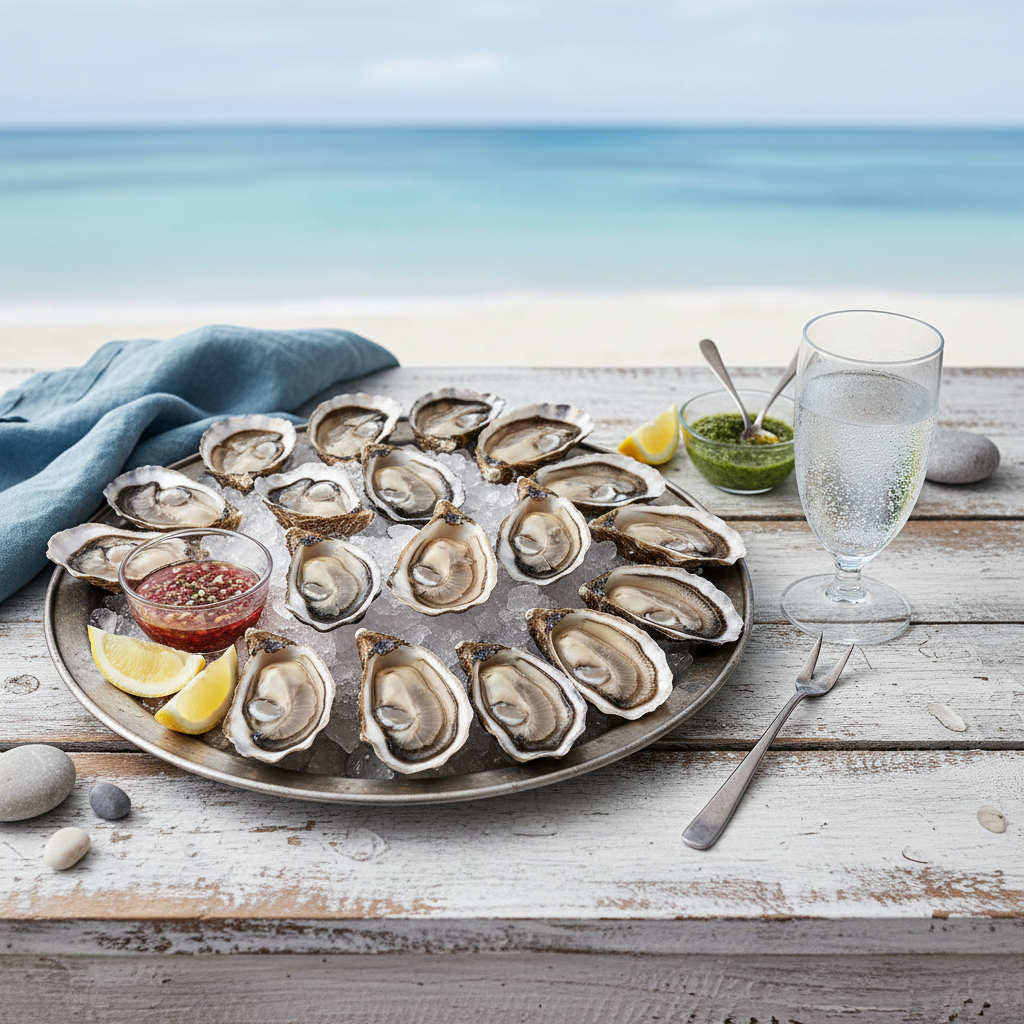
If your coastal town travel guide priority includes “try everything,” resist the urge to do it all in one sitting. Two great meals beat four mediocre ones.
Ordering and dining tactics that actually work
You don’t need to sound like a food critic, but a few choices tend to improve outcomes, especially in busy seaside areas.
- Ask one clear question: “Is the fish local today, and what species is it?”
- Choose simple cooking: grilled, broiled, steamed, or raw highlights quality.
- Split platters: one fried plate for the table, not one per person, unless that’s your whole goal.
- Watch the timing: go early, or sit at the bar where turnover is fast.
- Don’t ignore sides: great seafood towns often nail coleslaw, hushpuppies, chowder, or local bread.
Also, if a place offers an oyster list with origins, that’s often a sign they care about handling and cold chain, even if you’re not ordering oysters.
Safety, allergies, and “I got sick last time” realism
Seafood is high-reward, but it’s not the category to be cavalier about. If you have a shellfish allergy or immune conditions, it’s worth being extra conservative and consulting a medical professional about risk, especially with raw items.
According to the Centers for Disease Control and Prevention (CDC), raw or undercooked seafood can carry foodborne illness risk, and certain groups may face higher risk. If you’re unsure, choose cooked seafood and prioritize reputable, high-turnover spots.
- Raw bar basics: pick places that look serious about ice and temperature control.
- When to skip: off smells, lukewarm shellfish, or a restaurant that can’t answer sourcing questions.
- Alcohol “kills germs” myth: it doesn’t work that way, don’t rely on it.
If you do feel unwell after a meal, consider contacting a healthcare professional, and if you suspect a serious food safety issue, local health departments can advise on reporting options.
Wrap-up: how to make the coast taste like the coast
A good coastal town travel guide isn’t about chasing viral spots, it’s about lining up season, sourcing, and your own preferences. Pick a town with a real seafood ecosystem, order species-specific dishes, and use markets as your compass.
If you want one simple next step: choose one coastal town, look up its fish market hours, then build your meals around what that market is actively selling, your trip will feel less random and your seafood hit rate climbs.
FAQ
What’s the best way to use a coastal town travel guide to find truly local seafood?
Start with the town’s fish market or working harbor, then choose restaurants that name species and rotate menus. Locality shows up in details, not slogans.
Is “catch of the day” always a good sign?
It can be, but only if they tell you what the fish is. If “catch of the day” stays unnamed, treat it like a mystery box.
How do I know if oysters are fresh when traveling?
Look for cold handling and tight shells, and order from places with high turnover. If the server can’t tell you the oyster origin, I’d be cautious.
Are touristy waterfront restaurants always bad for seafood?
No, some are excellent, but you have to screen them. Check for species-specific menus, a short raw bar list, and busy service that suggests steady product movement.
What should I order if I’m nervous about raw seafood?
Go for grilled fish, steamed shellfish, or chowders and stews from reputable kitchens. You still get the coastal flavor without taking the same risks as raw items.
How far in advance should I make reservations in peak season?
In many coastal destinations, 1–2 weeks helps for top spots, and same-day works for casual places if you dine early. When in doubt, book dinner and keep lunch flexible.
Does “never frozen” matter for taste?
Sometimes, but not always. High-quality freezing can preserve texture well, while poor handling of “fresh” fish can be worse, I’d prioritize reputable sourcing over labels.
If you’re planning a seafood-focused weekend and want it to feel easy, build your shortlist around one fish market, two species you really care about, and one backup restaurant with a simple menu, it’s a calmer way to travel and usually a better way to eat.