
Europe Vineyard Travel Guide for Wine Lovers
Vineyard travel guide europe searches usually come from one place, you want the romance of vines and cellar doors, but you also want the trip to run on time, stay within budget, and not turn into a scramble for last-minute reservations.
Europe makes this tricky because wine regions look close on a map, yet they don’t behave like big cities. Tastings often require booking, lunch hours can be rigid, and getting from village to village without a plan can burn a full day.
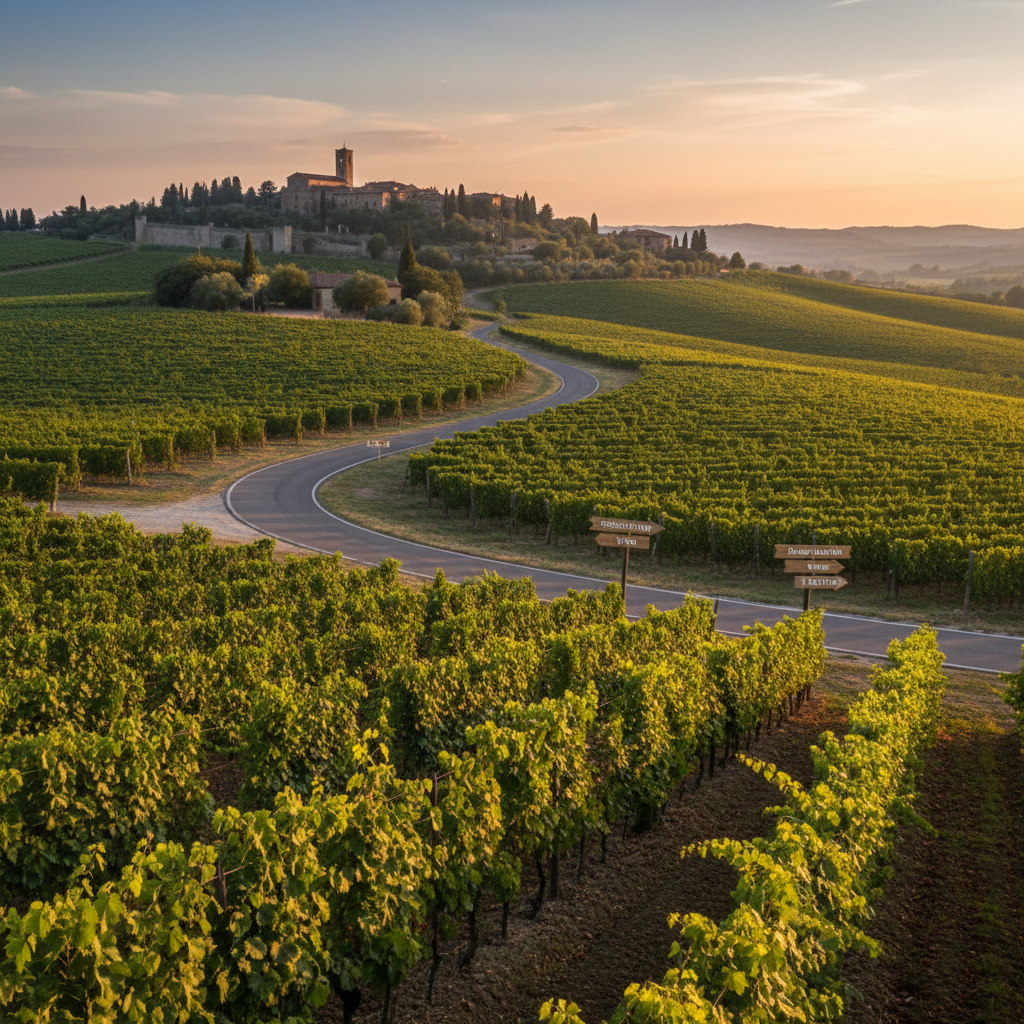
This guide focuses on practical decisions: where to go for your style of wine, how to set a realistic pace, and what to book early so you spend more time sipping and less time refreshing emails.
Pick the Right Region by Your Wine Style (and Your Travel Style)
Instead of chasing famous names only, match the region to how you actually like to travel. Some areas reward slow days and long lunches, others are built for quick tastings and short drives.
Quick region matches (broad strokes, producers vary a lot):
- France: Bordeaux for structured reds and château visits, Burgundy for Pinot and small domaines, Champagne for bubbles and cellar tours.
- Italy: Tuscany for postcard scenery plus Sangiovese, Piedmont for Barolo and truffle-season food focus, Veneto for Prosecco-friendly itineraries.
- Spain: Rioja for classic red blends and approachable winery visits, Ribera del Duero for bold reds, Catalonia for Cava and modern architecture wineries.
- Portugal: Douro Valley for dramatic landscapes and Port houses, Vinho Verde for lighter whites and coastal pairings.
- Germany & Austria: Riesling routes (Mosel, Rheingau) and crisp whites (Wachau), often very walkable villages.
If you’re traveling from the U.S. and you want fewer logistics, consider basing in one hub town and doing day trips, rather than changing hotels every night. It feels less “epic,” but most people enjoy the trip more.
How Long You Need, and a Pace That Still Feels Fun
Most wine lovers overbook tastings. It sounds harmless on a spreadsheet, then day two hits and everyone wants a nap, a slow lunch, or a second coffee.
A realistic tasting pace that works in many cases:
- 1 winery per day if you want a full tour, older vintages, or a long lunch pairing.
- 2 wineries per day if you keep each visit to 60–90 minutes and build in a real meal.
- 3+ tastings per day only if they’re short, close together, and someone else handles driving.
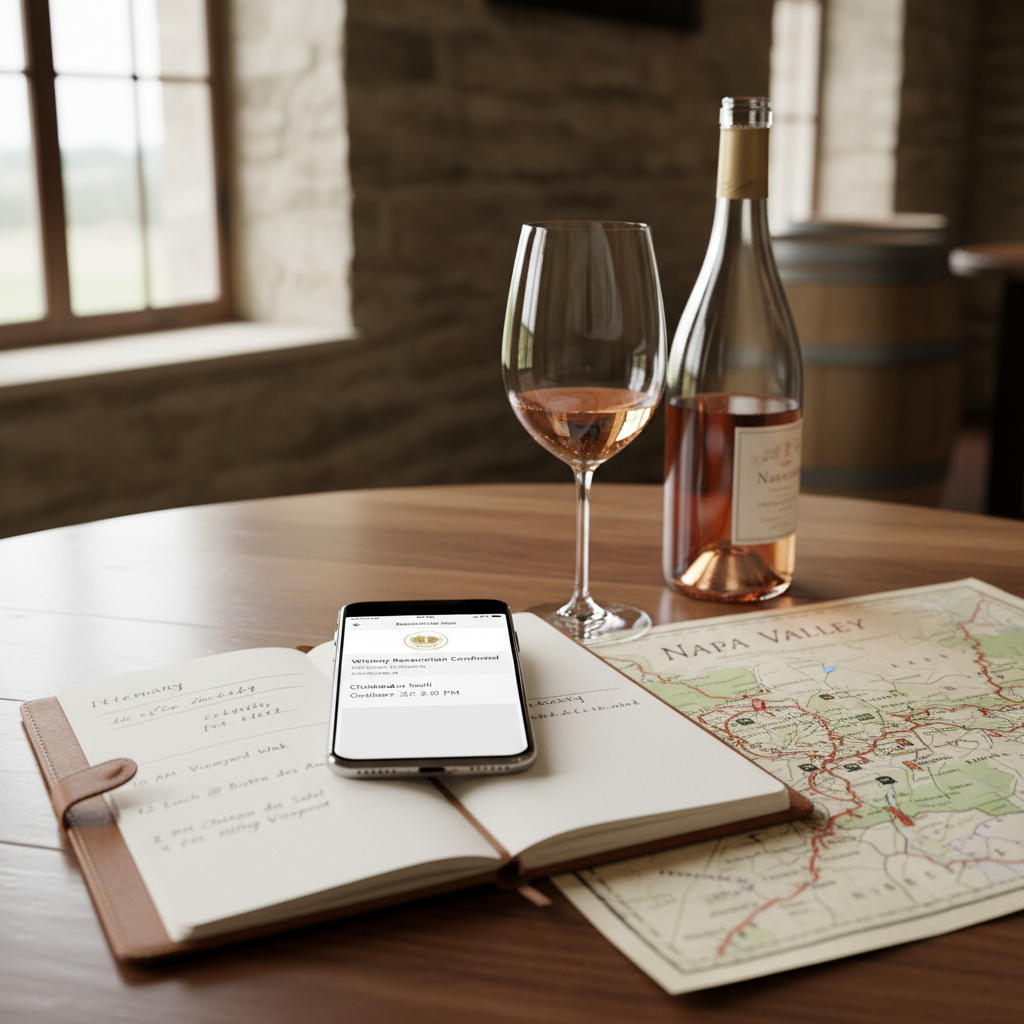
For timing, aim for 3 nights in one region as a minimum. Two nights can work, but you’ll feel the clock. Four to five nights is where a vineyard-focused trip starts to feel relaxed.
Reservations, Fees, and the Small Rules That Surprise People
Many first-timers assume they can just walk into wineries like tasting rooms in some U.S. areas. In Europe, that depends heavily on the region and the producer.
Here’s what tends to be true across many destinations:
- Appointments: Smaller estates often require advance booking, sometimes by email rather than online tools.
- Tasting fees: Increasingly common, occasionally waived with a purchase, sometimes not. Ask politely before you arrive.
- Shipping: Shipping to the U.S. varies by producer and importer relationships. Don’t assume it’s available.
- Language: Many wineries handle English well, but not all time slots come with an English-speaking host.
According to the U.S. Department of State, travelers should review destination-specific guidance and local laws before international trips, which matters in wine regions too because rural transit and services can be limited.
Getting Around: Train vs Rental Car vs Private Driver
A vineyard travel guide europe readers can use in real life has to talk transportation, because it dictates everything else: how many tastings you book, where you stay, and how safe the trip feels.
Train + local taxis/rides
Works well when the region has a strong rail spine and compact towns. It can fall apart on Sundays or late evenings, and rural taxi supply can be thin.
Rental car
Best for flexibility, but be honest about tasting. If your group plans to drink more than a sip or two, rotate a true designated driver, spit at tastings, or reduce appointments. If you’re unsure how to manage this safely, it’s worth asking the winery what they see guests do commonly.
Private driver or guided day tours
Often the most expensive line item, yet it can be the best value if you’re visiting top estates, dealing with tight booking windows, or you simply want to enjoy the day without watching the clock.
Practical safety note: Alcohol affects people differently, and driving rules vary by country. If there’s any doubt, choose a non-driving option or consult local professionals for guidance.
Build a Simple Itinerary (Templates You Can Copy)
It’s tempting to plan by wineries alone. A better approach is to plan by anchor moments: one major visit, one meal, and one flexible block each day.
Template A: “One big winery day”
- Late morning: tour + seated tasting at a flagship producer
- Lunch: reservation in town, keep it unhurried
- Afternoon: scenic drive, village walk, bottle shop stop
Template B: “Two tastings, low stress”
- Morning: small family estate tasting (60 minutes)
- Midday: lunch near your lodging
- Late afternoon: second tasting, ideally close to dinner
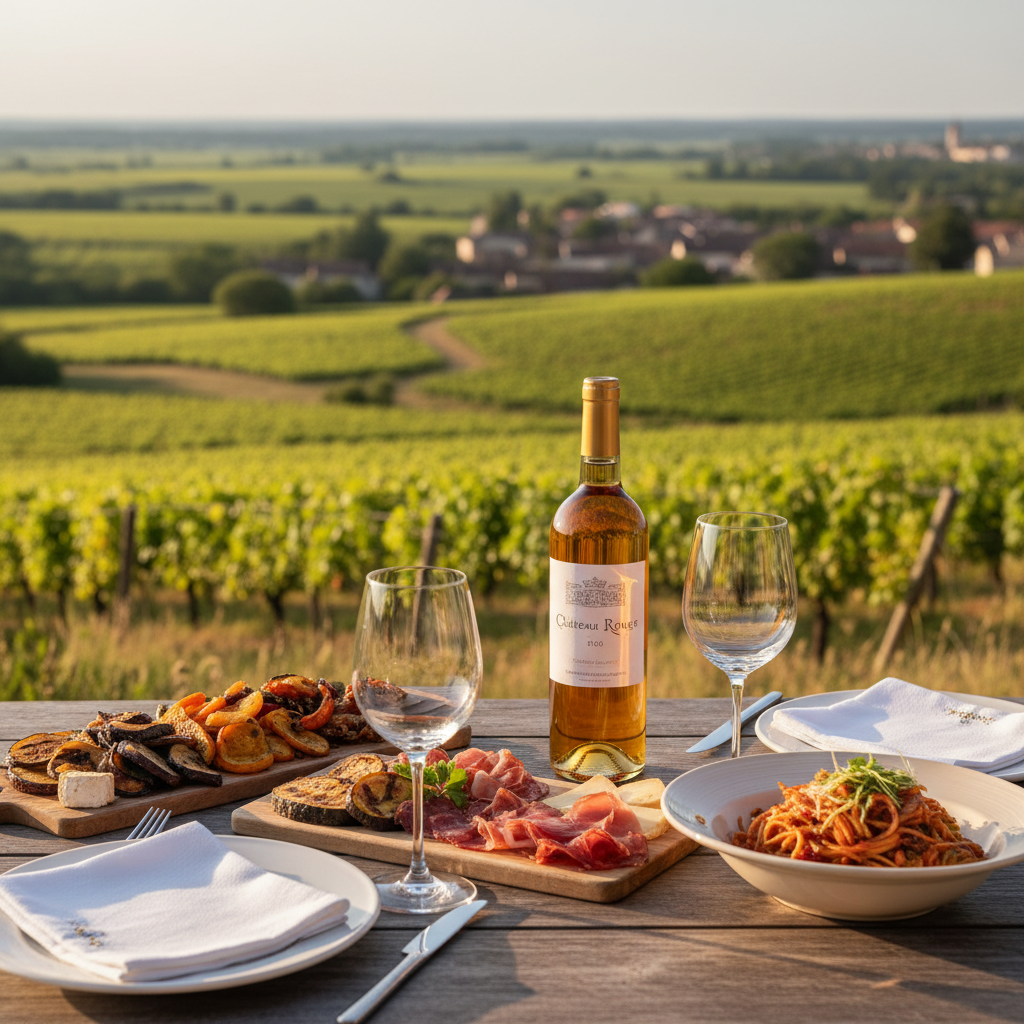
Key takeaway: if you only lock two things per day, make them the winery appointment and the lunch reservation. Everything else can flex.
Budget and Booking: What to Spend On (and What to Skip)
Costs swing wildly by region and season, so it’s smarter to budget by categories than by a single “per day” number.
| Category | What drives cost | Where splurges feel worth it |
|---|---|---|
| Lodging | Harvest season, walkable towns, on-vineyard stays | 2–3 nights in one base, strong breakfast, parking or easy transit |
| Winery visits | Private tours, older vintages, group size | One signature experience, not five average ones |
| Transportation | Driver hours, one-way routes, rural availability | Driver for your heaviest tasting day |
| Meals | Michelin demand, weekend dining, wine pairings | One long regional lunch, keep other meals simple |
Booking priorities tend to be consistent: harvest months fill faster, top producers have fewer slots, and small boutique hotels sell out before big city properties.
- Book early: iconic wineries, harvest-season lodging, destination restaurants
- Book later: casual tastings, wine bars, museum-style attractions
Self-Check: What Kind of Wine Trip Are You Planning?
This quick checklist helps you avoid planning a trip that looks great online but feels wrong in real life.
- You’ll enjoy it more if you pick one region when: you have 4–7 days total, you dislike frequent hotel moves, you want deeper winery conversations.
- A two-region trip can work when: you have 8–12 days, you can fly open-jaw, and you accept one travel day as “in transit.”
- You should simplify if: you’re trying to do Champagne + Burgundy + Alsace in 5 days, you’re booking 3 tastings daily without a driver, or you haven’t checked opening days.
If any of that hits a little too close, it’s not a failure, it’s a chance to make the trip feel like vacation again.
Common Mistakes (and the Fixes That Actually Help)
Most issues don’t come from bad luck, they come from tiny assumptions.
- Mistake: planning by famous names only. Fix: mix one “headline” winery with smaller estates where you can ask more questions.
- Mistake: ignoring meal timing. Fix: lock lunch, then schedule tastings around it, not the other way around.
- Mistake: bringing the wrong suitcase. Fix: if you plan to buy bottles, leave space, bring a wine sleeve, or buy locally and ship when available.
- Mistake: underestimating distances on rural roads. Fix: map by drive time, not by miles or kilometers.
According to the World Health Organization (WHO), alcohol consumption carries health risks, so if you have medical concerns, it’s reasonable to pace tastings conservatively and consult a clinician for personalized advice.
Wrap-Up: A Simple Way to Plan Your Next Vineyard Trip
A good Europe wine itinerary usually comes down to three choices: pick one region that matches your palate, choose a base town you’ll enjoy even without tastings, and book one or two high-intent winery visits instead of stacking your days.
If you want a clean next step, draft a 3-night mini itinerary with one “must-book” estate, one flexible day, and a transportation plan that keeps everyone comfortable, then expand only if it still feels light.
FAQ
What’s the best time of year for a Europe vineyard trip?
Late spring through early fall is popular for weather, while harvest season can feel electric but also busier. If crowds stress you out, shoulder seasons often strike a nicer balance.
Do I need to book winery tastings in advance?
Many wineries accept bookings only, especially smaller estates and premium producers. If a region is high-demand, emailing a few weeks ahead can prevent a lot of back-and-forth later.
How many wineries should I visit per day?
For most travelers, one to two visits keeps the day enjoyable. More can work with a driver and short appointments, but it often starts to feel like checking boxes.
Is it better to stay in a city and day-trip to vineyards?
It depends on what you want at night. Cities offer dining and logistics, but staying in a wine town gives you quieter evenings and less commuting, many people prefer that once they try it.
Can wineries ship wine back to the United States?
Sometimes yes, sometimes no, and the answer can change by producer. It’s smart to ask before you buy a case, and to consider luggage limits if you plan to carry bottles.
Are European wineries kid-friendly?
Some are, especially larger estates with outdoor space, but others keep tastings strictly adult-focused. If you’re traveling as a family, confirm policies before booking.
What should I wear to vineyard tastings?
Think comfortable and neat, with shoes that handle gravel and cellar stairs. In cooler regions, a light layer helps because caves and cellars can feel chilly even in summer.
If you’re planning a vineyard trip and want it to feel curated without turning into a research project, a region-by-region shortlist of wineries, base towns, and realistic day plans can save hours and reduce booking friction.