
castle travel guide scotland is really about two things: picking the right castles for your time, and avoiding the small logistical traps that make a day feel rushed, parking, entry slots, and weather being the big ones.
If you’re visiting from the U.S., it’s easy to underestimate distances, assume every site runs like a big city museum, or plan too many stops in one day. Scotland rewards slower days, especially when you build in time for viewpoints, cafes, and the occasional unexpected closure.
This guide focuses on practical choices, what’s actually worth booking ahead, how to group castles into doable day loops, and the etiquette that keeps your visit smooth. You’ll also get a quick comparison table, a self-check list, and a few sample itineraries you can copy.
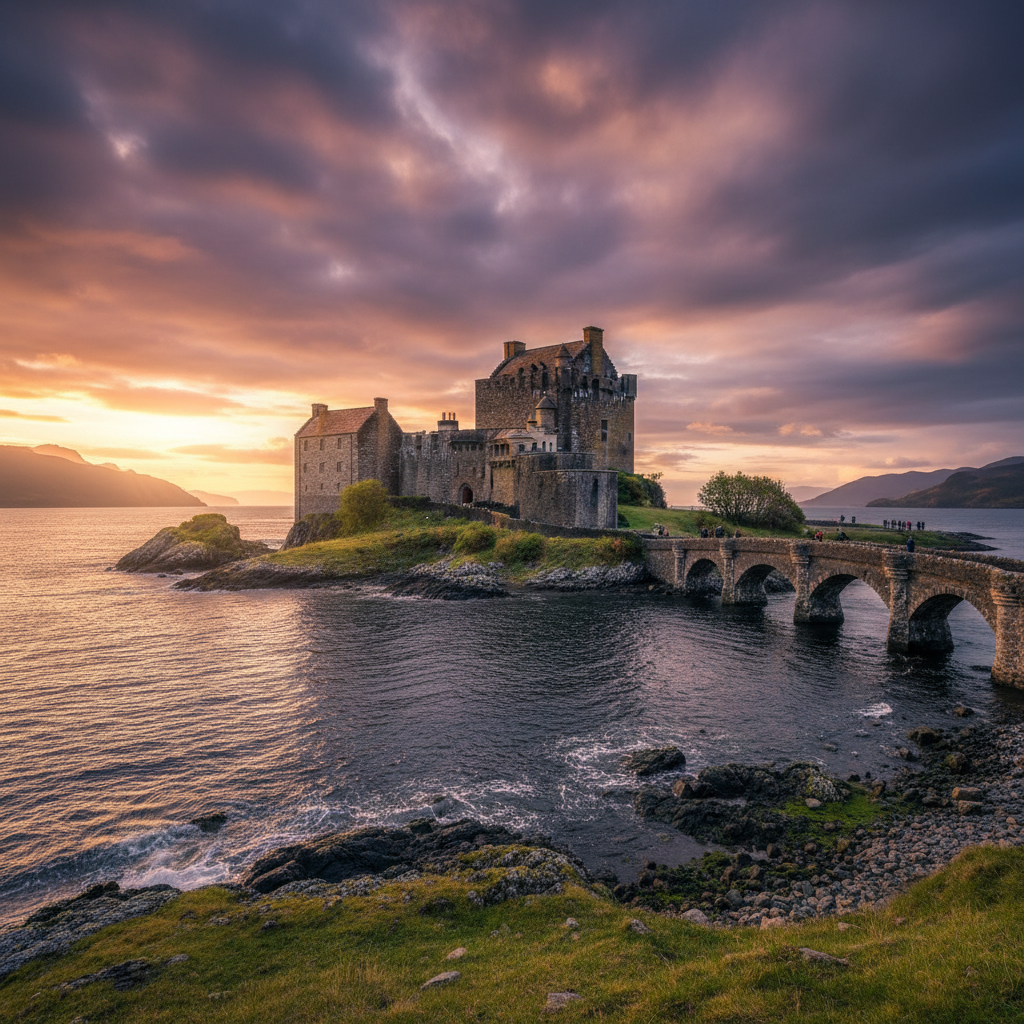
How to choose the right Scottish castles (without overplanning)
Most visitors don’t need 10 castles, they need 3–5 that match their interests. A “great” castle day can be one major site plus one smaller stop and a scenic drive.
Start with what you actually want to see
- Big history + exhibits: go where the interpretation is strong and rooms are open, you’ll learn more with less effort.
- Views and landscapes: prioritize cliffside or lochside settings, even if the interior is limited.
- Ruins with atmosphere: wonderful for photography, but bring layers and expect uneven ground.
- Film/TV connections: fun, but check whether the specific filming areas are accessible that season.
A simple rule: if you’re driving more than 2.5 hours total in a day and trying to tour two large castles, the day often turns into a checkbox sprint.
Plan the logistics: tickets, opening times, and “surprise closures”
Castles in Scotland range from staffed attractions to semi-remote ruins. Many have seasonal hours, limited interior access, and weather-related constraints.
According to Historic Environment Scotland, some properties operate with seasonal opening and may require advance booking at busier times, which is why it’s smart to check official listings right before you lock your route.
What to check before you commit
- Entry type: walk-up, timed tickets, or guided-only entry.
- Last entry time: this matters more than closing time.
- Parking reality: size, payment method, and how far you’ll walk.
- Accessibility notes: steep stairs and uneven steps are common even at popular sites.
- Event days: weddings and private events can limit access at some estates.
If you’re using this as your castle travel guide scotland planning framework, treat “hours and access” as part of the attraction, not an afterthought.
Quick comparison table: what kind of castle day are you building?
This table helps you choose a style of visit, so you stop trying to make one day cover every vibe.
| Castle visit style | Best for | Typical time on site | Common pitfall |
|---|---|---|---|
| Flagship fortress with exhibits | First-time visitors, history fans | 2–4 hours | Arriving late and missing last entry |
| Scenic castle + viewpoint loop | Photographers, road-trippers | 1–3 hours | Underestimating wind, rain, or trail conditions |
| Ruins + short hike | Adventure-light travelers | 45–120 min | Wrong footwear, slick stones |
| Estate castle with gardens | Couples, slow travel | 2–5 hours | Not reserving for limited-entry rooms |
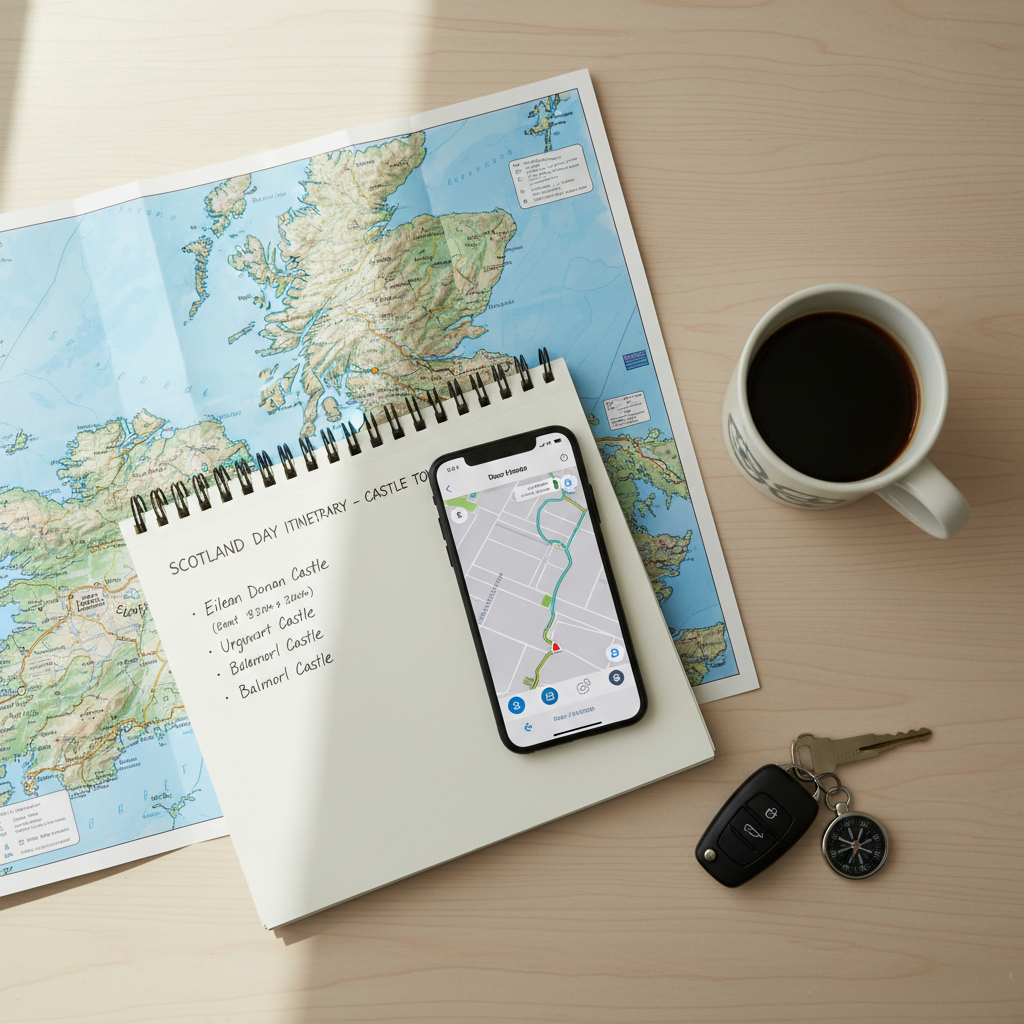
Self-check: what itinerary fits your trip?
Before you pick castles, decide what kind of traveler you are on this trip, not in theory. The answers change how many stops you should plan.
- How many nights are you in Scotland? If it’s 3–5 nights, keep castle stops selective.
- Are you comfortable driving on the left? If not, limit long rural drives early in the trip.
- Do you want interiors or exteriors? Interiors take longer and often need a booking window.
- Who’s traveling with you? Kids and multi-gen groups usually do better with one “main” castle per day.
- What month? Shoulder seasons can be perfect, but hours can shorten and weather shifts fast.
If you check three or more boxes that suggest “slow,” build fewer stops and add buffer time. That’s the difference between a stressful route and a trip that feels like Scotland.
Sample routes Americans tend to enjoy (steal these and tweak)
These are structure ideas, not strict prescriptions. Swap castles based on hours, tickets, and where you sleep.
Edinburgh base: one big day + one lighter day
- Day A: a major city castle experience, then a short countryside stop on the way back.
- Day B: a coastal or lochside castle with a village lunch, keep driving time reasonable.
Glasgow base: castles plus scenery, not just urban sites
- Day A: a west-coast scenic castle and a short walk, plan for weather.
- Day B: an estate-style visit where gardens and grounds carry the day.
Highlands road trip: fewer stops, longer stays
- Day A: one landmark castle, then settle into a town early and explore locally.
- Day B: ruins or a smaller fortress with views, plus a distillery or nature stop if time works.
When people say a castle travel guide scotland helped them, it’s often because it convinced them to do less driving, not because it added more stops.
On-the-ground tips: timing, packing, and etiquette that saves your day
Small prep choices matter more at castles than at many city attractions, because stairs, wind, and wet stone are part of the experience.
Timing tips
- Arrive earlier than you think, parking, ticket scanning, and walking from lots eat time.
- Check last entry and aim to be there at least 60–90 minutes before it.
- Build a weather pivot, have a second option nearby if visibility disappears.
What to pack (light but realistic)
- Waterproof layer and a warm mid-layer, even in summer evenings.
- Shoes with grip, slick stone steps are common; if you have mobility concerns, consider consulting a medical professional about activity limits.
- Offline map for rural areas where signal can drop.
Etiquette that keeps access open
- Follow rope lines and closed-door signs, interiors can be fragile and staff will enforce rules.
- Drone rules vary, many sites restrict them for safety and privacy, check the property policy before you fly.
- Keep voices down in chapels and memorial rooms, these spaces are still treated with respect.
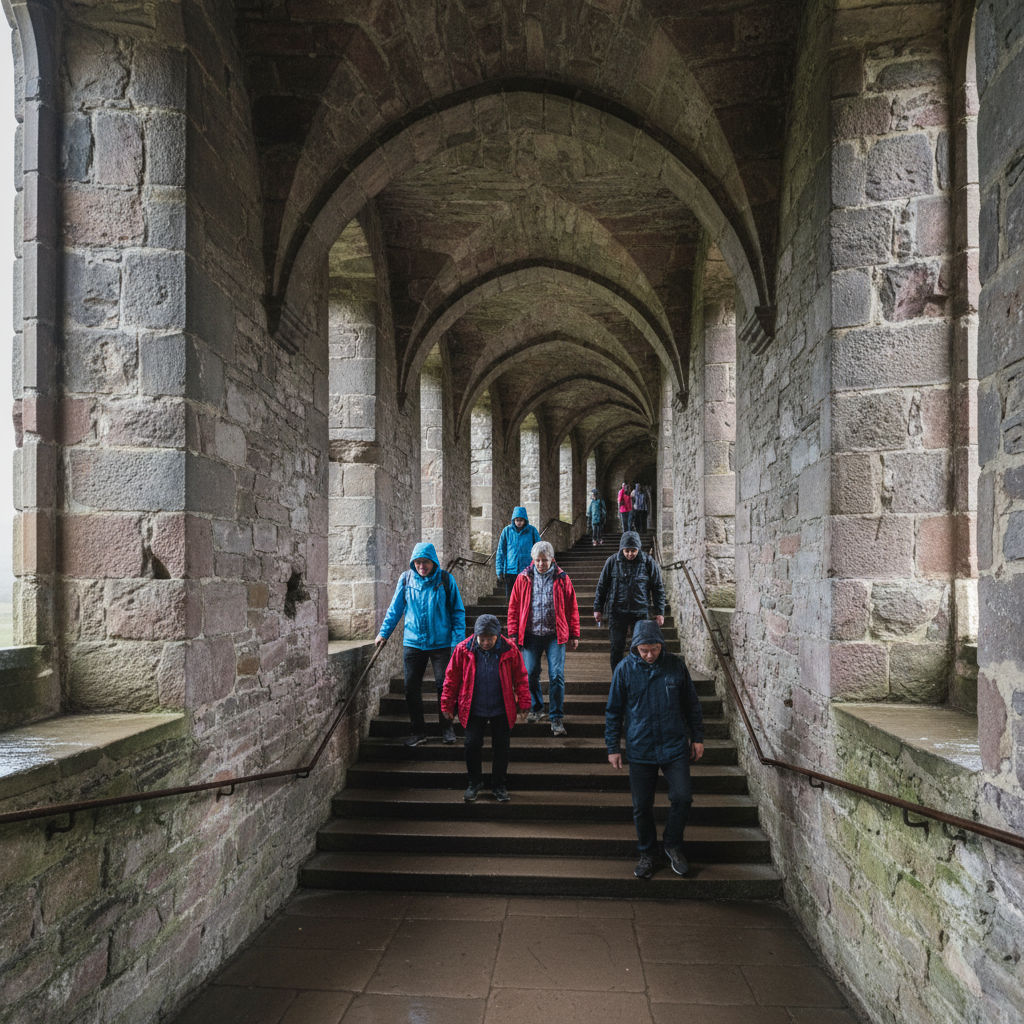
Common mistakes (and what to do instead)
Most “bad castle days” come from predictable planning errors, not from choosing the wrong castle.
- Mistake: trying to hit four castles in one day. Do instead: pick one anchor site and one small add-on.
- Mistake: relying on a blog’s old opening hours. Do instead: verify on the official property page close to your visit date.
- Mistake: ignoring drive-time stress. Do instead: plan a loop, avoid backtracking, and keep rural night driving limited.
- Mistake: skipping the grounds. Do instead: budget 20–40 minutes just to walk viewpoints and outer paths.
- Mistake: buying every add-on. Do instead: pay for one standout guided tour if you love interpretation, otherwise self-guided often works fine.
If you’re building your own castle travel guide scotland checklist, these five swaps usually improve the trip more than any “secret castle” recommendation.
Conclusion: a simple way to lock your plan this week
Scotland’s castles are impressive, but your experience depends on pacing and access details, not just the photo you saw online. Choose a few places that match your interests, verify hours and tickets, then build days with breathing room.
Action ideas: pick one “must-see” castle, then add one nearby scenic stop, and set a realistic driving cap for the day. Do that, and your castle days tend to feel like travel, not logistics.
FAQ
How many castles should I plan for a one-week Scotland trip?
Many travelers land comfortably around 3–6, depending on drive time and whether you tour interiors. If you prefer slow mornings and long lunches, fewer castles often feels better.
Do I need to book castle tickets in advance in Scotland?
It depends on the site and season. Larger attractions and special tours can sell out, so checking official ticketing pages ahead is a safe habit, especially in peak months.
What’s the best way to group castles to minimize driving?
Cluster by region and sleep close to your next day’s first stop. A loop route usually beats out-and-back driving, even if it looks longer on a map.
Are Scottish castle ruins safe to explore?
They’re generally managed for visitors, but conditions vary. Wet stone, wind, and uneven ground can make falls more likely, so footwear and staying on marked paths matter.
Can I visit castles without renting a car?
Yes for some major sites near cities, but your options narrow fast outside central areas. If you want rural castles, guided day tours can be a practical compromise.
What should I wear for a castle day in Scotland?
Layers and something waterproof usually beat “cute but cold.” Even mild temperatures can feel sharp with wind, and many castle grounds stay muddy after rain.
Is photography allowed inside castles?
Often yes, but flash, tripods, and certain rooms can be restricted. Staff instructions and posted signs are the final word, and policies can change with exhibitions.
Key takeaways (quick scan)
- One major castle per day is a solid default, add one small stop if it’s close.
- Verify hours and last entry on official pages near your travel date.
- Pack for wind and wet stone, comfort beats perfection in photos.
- Plan buffers for parking, walking distances, and weather pivots.
If you’re planning a Scotland trip and want a more streamlined castle list based on your dates, driving comfort, and where you’re staying, a simple itinerary review can save you from overstuffed days while still hitting the classics.