
Country park travel guide planning for a family day usually comes down to one thing: keeping it fun without turning the trip into a logistics problem. If you’ve ever arrived to find the parking lot full, the “easy trail” not stroller-friendly, or the snack situation under control for exactly 12 minutes, you already know the pain.
The good news is most country parks in the U.S. are set up for day trips, you just have to plan for the parts that don’t show up on the brochure: bathrooms, shade, bugs, weather shifts, and kid energy curves. A little structure upfront buys you a lot more calm once you’re on the trail.
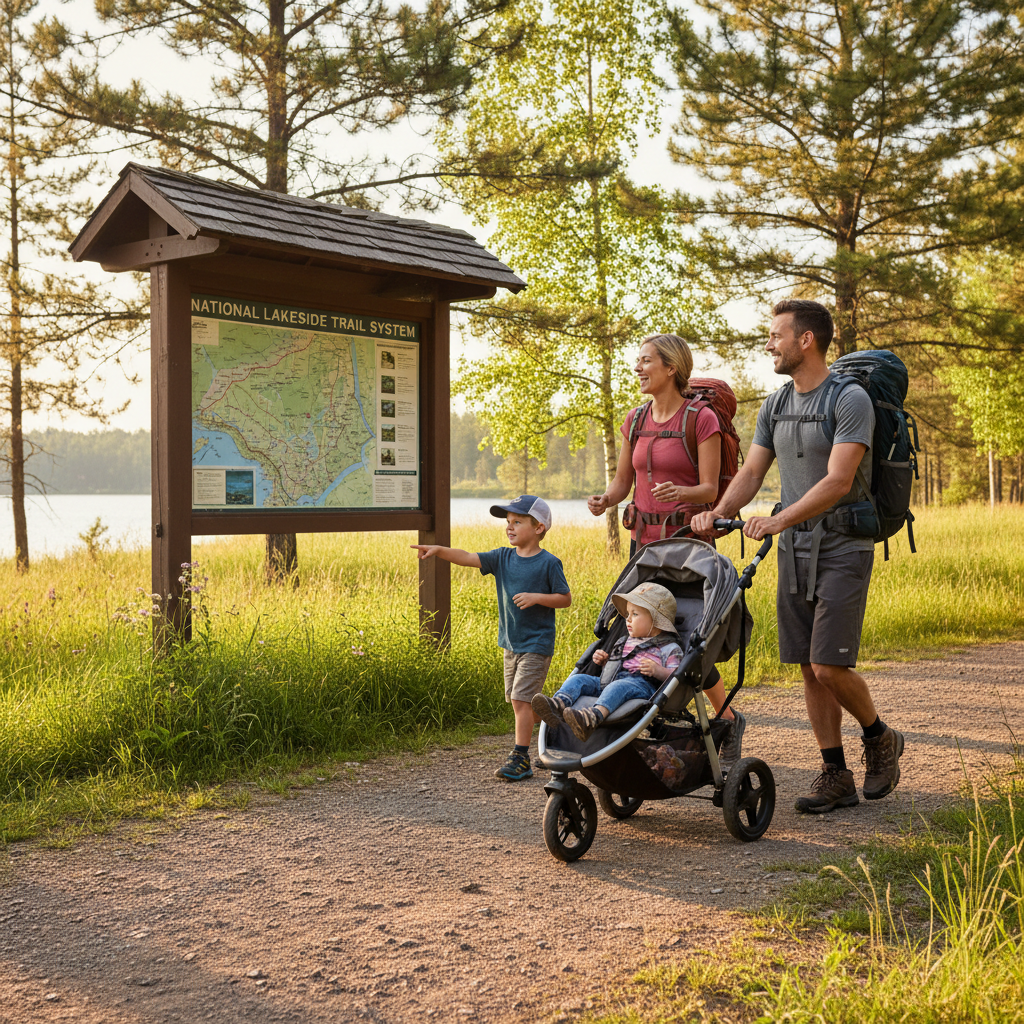
This guide focuses on practical choices: how to pick the right park, what to pack (without overpacking), how to build a simple schedule, and what to do when the day starts drifting off-plan. You’ll also find a quick decision checklist, a packing table, and a few activity ideas that work in many parks.
Choose the right country park for your family (it matters more than you think)
A lot of “bad park days” are really a mismatch between the park and the family’s needs that day. A park can be beautiful and still be a rough fit for a toddler nap schedule or a grandparent’s knees.
- Distance and drive time: For many families, anything beyond 60–90 minutes each way raises the stakes, especially with young kids.
- Trail style: Look for loops and out-and-backs with clear turnaround points, not only long one-way hikes.
- Facilities: Restrooms, water fountains, shaded picnic areas, and a visitor center can quietly save the day.
- “Payoff” early: Lakes, bridges, boardwalks, and wildlife viewing near the start help kids buy in.
- Accessibility options: Paved paths, wide gravel trails, and ADA-accessible viewpoints make group trips easier.
Where to research quickly: the official park website, recent Google Maps reviews (filter by “families”), and the trail conditions notes if the park posts them. According to National Park Service guidance on trip planning, checking conditions and alerts before you go helps avoid preventable surprises like closures and weather-related hazards.
Quick self-check: what kind of family day are you planning?
Before you build an itinerary, get honest about what “success” looks like today. Not every outing has to be a big hike.
- Stroller day: You need smooth surfaces, frequent stops, and a simple loop near facilities.
- Little hikers day: Short trails, “landmark goals” (bridge, creek, lookout), and snacks on a schedule.
- Mixed-age group day: Multiple activity options near the same base area, so the group can split and regroup.
- High-heat or shoulder-season day: Shade, water access, and a shorter plan with an early exit option.
- Low-energy day: Picnic + nature play beats forcing miles.
If you’re stuck between two options, pick the park where you can pivot easily: short trails, playground or open field, and a spot to sit comfortably. That flexibility is the hidden superpower of a solid country park travel guide mindset.
Timing and simple itinerary: the easiest way to avoid crowds and crankiness
Country parks can feel totally different depending on when you arrive. Many families show up late morning, which often overlaps with crowded parking and hungry kids.
A realistic half-day template
- Arrive early: Parking is easier, wildlife is more active, and temperatures are often friendlier.
- Start with movement: A 30–60 minute walk first, before anyone gets too snack-focused.
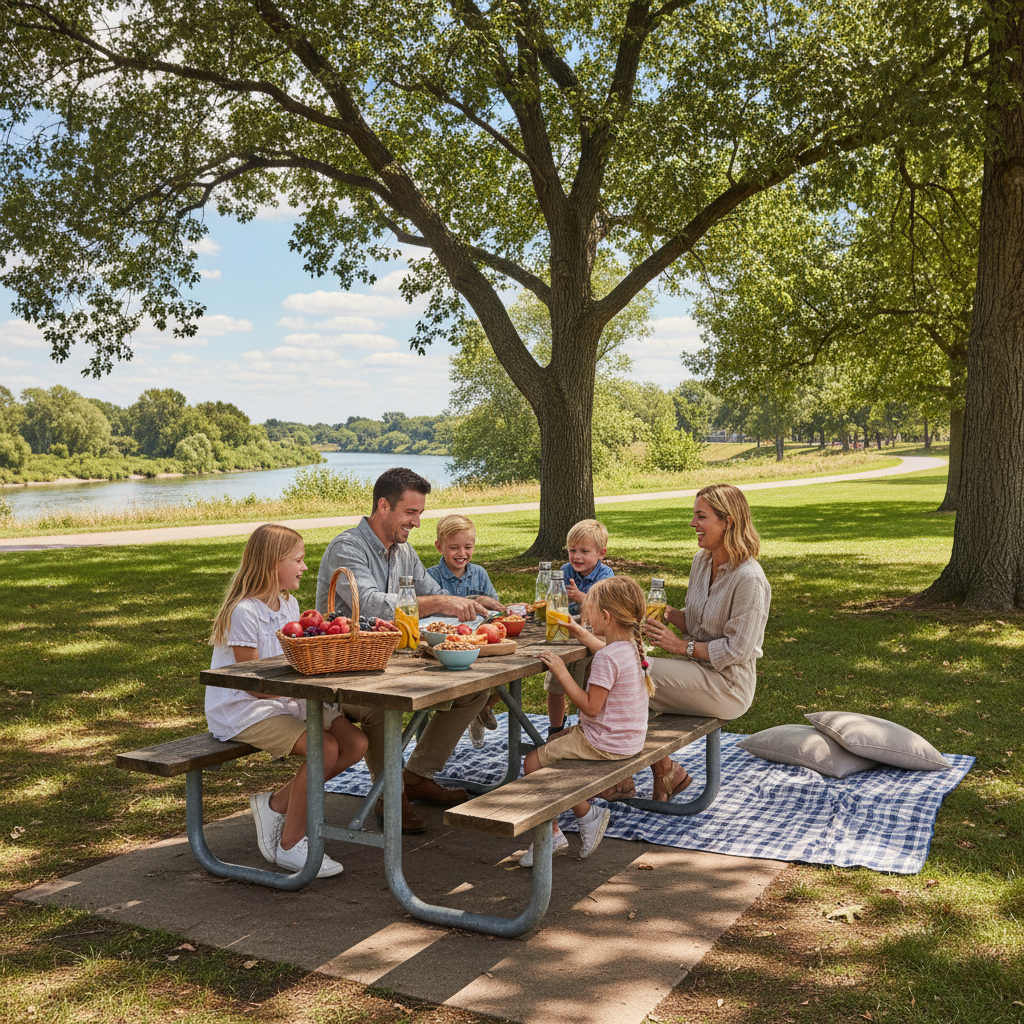
- Then snacks or picnic: Feed early rather than waiting for the “perfect spot.”
- Free play: Nature play near a field, creek edge (with close supervision), or designated area.
- One “bonus” activity: Visitor center, junior ranger booklet, or a short second trail.
Build in an exit ramp. Tell the group, “We’ll do the loop and lunch, then decide.” It removes pressure, and it keeps you from grinding through a plan that stopped working an hour ago.
Also, check the park calendar if it has one. Big runs, festivals, or group events can change traffic patterns dramatically, even in otherwise quiet places.
Packing for comfort without carrying your entire house
Packing is where family park days get weird: either you bring too little and end up buying overpriced snacks, or you bring so much you’re tired before you start. Aim for “small problems solved.”
Key point: water, sun protection, and a basic first-aid setup do more for the day than extra entertainment.
Family day-pack checklist (table)
| Category | Bring | Why it matters |
|---|---|---|
| Hydration | Water bottles + backup (or refill plan) | Dehydration and headaches can show up fast, especially in heat |
| Food | Snacks you know they’ll eat, simple picnic | Hunger looks like “bad mood,” not “I’m hungry” |
| Weather | Light rain layer, extra kid layer | Many parks feel cooler near water or in shade |
| Sun & bugs | Sunscreen, hats, repellent as appropriate | Sunburn and bites can ruin the afternoon |
| Basics | Wipes, trash bag, hand sanitizer | Sticky hands and litter are predictable, plan for them |
| Safety | Small first-aid kit, blister care, whistle | Minor cuts happen, and a whistle helps if someone wanders |
Optional, depending on your crew
- Binoculars for birds, a simple nature scavenger list
- Change of clothes for younger kids
- Kid carrier instead of stroller if trails are narrow or rooty
- Offline map screenshot if cell coverage is spotty
Safety, rules, and “don’t make it worse” decisions
Most country parks are very safe, but families run into trouble when expectations don’t match the environment. Small kids around water, cliffs, or bikes on multi-use trails is where you want extra attention.
- Trail etiquette: Many parks share trails with bikes and runners. Keep kids close on narrow sections.
- Water edges: Creeks and lakes look calm until they don’t. Stay within arm’s reach with young kids, and consider a life jacket if you’re near docks or boating areas.
- Heat and cold: Temperatures can shift quickly. If someone shows signs of heat illness or hypothermia, it’s smart to stop and, if needed, seek medical advice.
- Ticks and wildlife: According to Centers for Disease Control and Prevention (CDC) guidance, checking for ticks after outdoor time and using repellent as directed can reduce risk in tick-prone regions.
One more thing people hate hearing but usually appreciate later: if your group can’t agree on the plan, choose the safer, simpler option. “We’ll do the easy loop and picnic” beats “We’ll push through” almost every time.
Make it fun: easy activity ideas that don’t require gear
Entertainment is not about bringing more stuff, it’s about giving kids a reason to look closely. Many parks already provide the best “toys,” you just have to frame them.
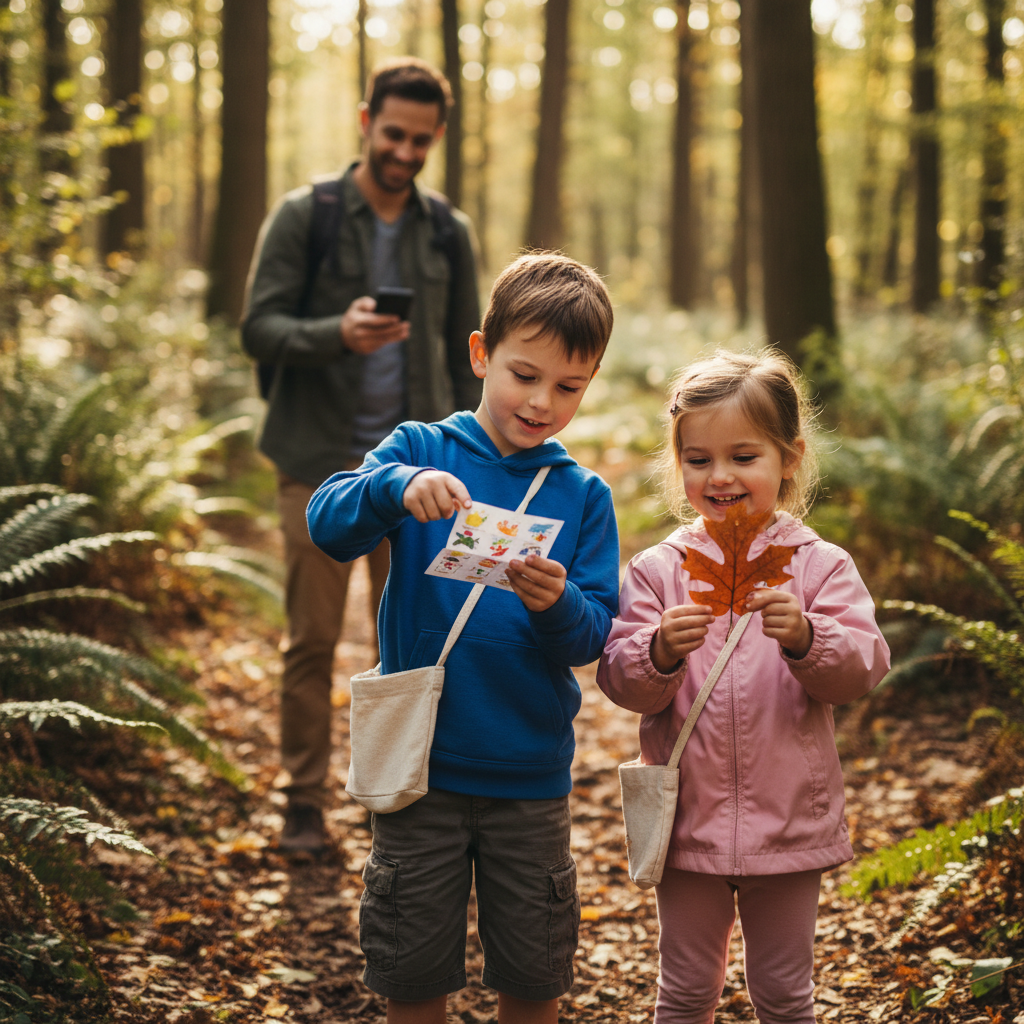
- 1-minute missions: “Find three different leaf shapes,” “Spot something blue,” “Listen for a bird call.”
- Landmark pacing: Walk to the bridge, snack, then decide if you go to the lookout.
- Photo challenges: Kids take pictures of textures, colors, or “tiny things.”
- Nature journaling lite: One page only: draw one plant, one animal track, one cloud shape.
- Visitor center stop: If there’s a small exhibit, it can reset attention spans fast.
If you’re using this country park travel guide for multiple outings, keep a small “park kit” in the car: a spare blanket, wipes, and a couple of shelf-stable snacks. It turns last-minute trips into easy wins.
Practical troubleshooting: what to do when the day starts unraveling
Family days don’t fail all at once, they drift. The earlier you notice the drift, the easier the fix.
Common problems and quick fixes
- Parking is packed: Switch to a lesser-used trailhead, or flip the plan: picnic first, hike later.
- Kids complain immediately: Shorten the first walk and add a “job” like map reader or trail sign spotter.
- Weather turns: Don’t wait for the “maybe it passes” moment too long, choose a sheltered loop or head to the visitor center.
- Someone gets hangry: Feed them now, not after the next viewpoint.
- Adults want miles, kids don’t: Split for 30 minutes if safe and practical, then regroup at a known point.
Key takeaway: You don’t need a perfect plan, you need a plan that can bend. That’s the difference between a stressful outing and a repeatable family tradition.
Conclusion: your next country park day, simplified
A solid country park travel guide approach is less about finding the “best” park and more about setting your day up to succeed: pick a flexible location, arrive earlier than you think, feed people before moods dip, and keep the activity menu simple.
If you want one action to take today, pick two nearby parks and save a short “family-friendly loop” for each in your notes, then build a small park kit for the car. Next time you need an easy win, you’ll already have the blueprint.
FAQ
What should a country park travel guide include for families?
At minimum: trail difficulty notes in plain language, stroller or mobility details, restroom access, parking info, and a realistic half-day plan. Families usually need logistics more than inspiration.
How early should we arrive at a country park with kids?
Many families do better arriving in the morning, when parking is easier and it’s cooler. Exact timing depends on your region and season, but earlier often equals calmer.
Are country parks good for toddlers?
Often yes, as long as you choose short routes with frequent stops and safe boundaries near water or steep areas. A stroller-friendly path or kid carrier can make a big difference.
What do we pack for a family day trip to a park?
Water, snacks, sun protection, layers, wipes, and a small first-aid kit cover most situations. Extra toys matter less than food timing and comfort.
How do we pick trails that won’t cause a meltdown?
Look for loops under a couple miles, clear turnaround points, and interesting landmarks early on. Reviews that mention “kids,” “stroller,” or “shade” can be more useful than star ratings alone.
What about ticks and bug bites in country parks?
Risk varies a lot by region and season. Using repellent as directed, staying on trails, and doing a tick check after the visit are common precautions; if you have health concerns, it’s reasonable to ask a clinician.
What if we show up and the main lot is full?
Have a backup: another entrance, a nearby trailhead, or a plan to picnic first and hike later. Flexibility is a core part of planning family outings.
If you’re planning a few outings this season and want a more plug-and-play approach, you can turn this into your own mini system: a short list of parks, one saved “default itinerary,” and a reusable packing kit that stays ready in the car.