
Polar plunge travel tips matter most when you realize the “hard part” often isn’t the water, it’s everything around it: the wind on wet skin, numb fingers trying to find your keys, and the long walk back to a warm car or lodge. If you travel for a plunge, small logistics decide whether the day feels epic or just miserable.
The good news is you don’t need to be an extreme athlete to do this well. With the right packing choices, a realistic warm-up plan, and a few safety habits, most cold-water events become surprisingly manageable.
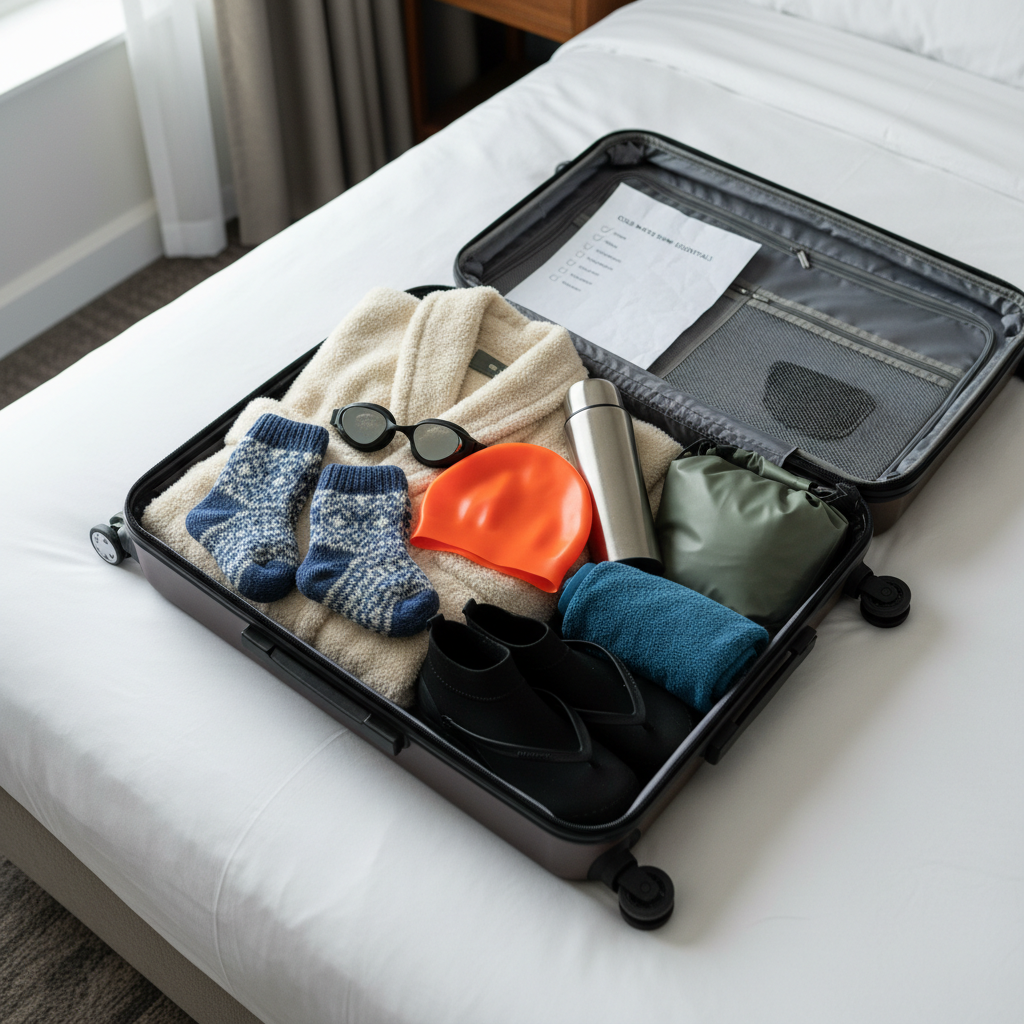
I’ll keep this practical, what to pack, how to plan your arrival, how to handle the minutes before and after the dip, and where people usually overdo it. If you’re traveling with friends, I’ll also point out the group stuff that makes the whole thing smoother.
Choose the Right Plunge (and Build Your Trip Around the Exit)
Most people plan a polar plunge around the splash photo, but the smarter anchor is your exit plan: where you’ll get dry, warm, and stable on your feet. That decision influences everything from footwear to lodging.
- Event-style plunge (charity run, organized beach entry): usually safer, with volunteers and clear rules, but can mean long waits in cold air.
- DIY plunge (lake or coastline on your own): more flexible timing, but you must manage risk, access, and emergency backup yourself.
- Hot-cold amenities nearby (sauna, heated lodge, indoor changing): comfortable, but can tempt you to push limits because it “feels controlled.”
Before you book, check typical wind exposure, distance from water to shelter, and whether you’ll be standing around in a wet suit or swimsuit. If an event forces a long walk back, prioritize footwear and a warm layer you can throw on fast.
Key takeaway: pick a location where you can get warm quickly without rushing, rushing is when slips and poor decisions happen.
Pack Like You Expect Chaos (Because You Should)
When someone says they “didn’t enjoy it,” it’s often because they packed for the plunge, not for the transition. Your bag should assume cold hands, wet hair, and a cluttered changing area.
Cold-plunge packing list that actually helps
- Two towels: one for quick water removal, one for warmth and comfort after.
- Warm hat (beanie) + optional swim cap: heat loss from your head feels intense in wind.
- Neoprene booties or water shoes: rocky entries and numb feet are a bad combo.
- Wool socks and easy-on shoes: avoid tight laces when fingers feel clumsy.
- Oversized hoodie/robe: fast warmth without complicated changing.
- Dry bag or big zip bags: separate wet gear so your warm layer stays dry.
- Thermos with warm drink: comfort tool, not a “fix,” but it helps morale.
- Small foam pad: standing barefoot on cold sand or pavement drains you quickly.
For travel, I like a “two-bag” approach: one small bag that goes to the waterline, one larger bag that stays in the car or with a friend. That way you don’t dig for essentials with shaking hands.
Pre-Plunge Prep: Warm Up Your Body, Not Your Ego
Polar plunge travel tips often focus on gear, but your day goes better when you control pacing. You’re not proving toughness, you’re managing a stress response.
According to the Centers for Disease Control and Prevention (CDC), cold water can trigger rapid breathing and other responses that may increase risk in open water. That’s a fancy way of saying, the first minute can feel surprisingly intense, even for confident swimmers.
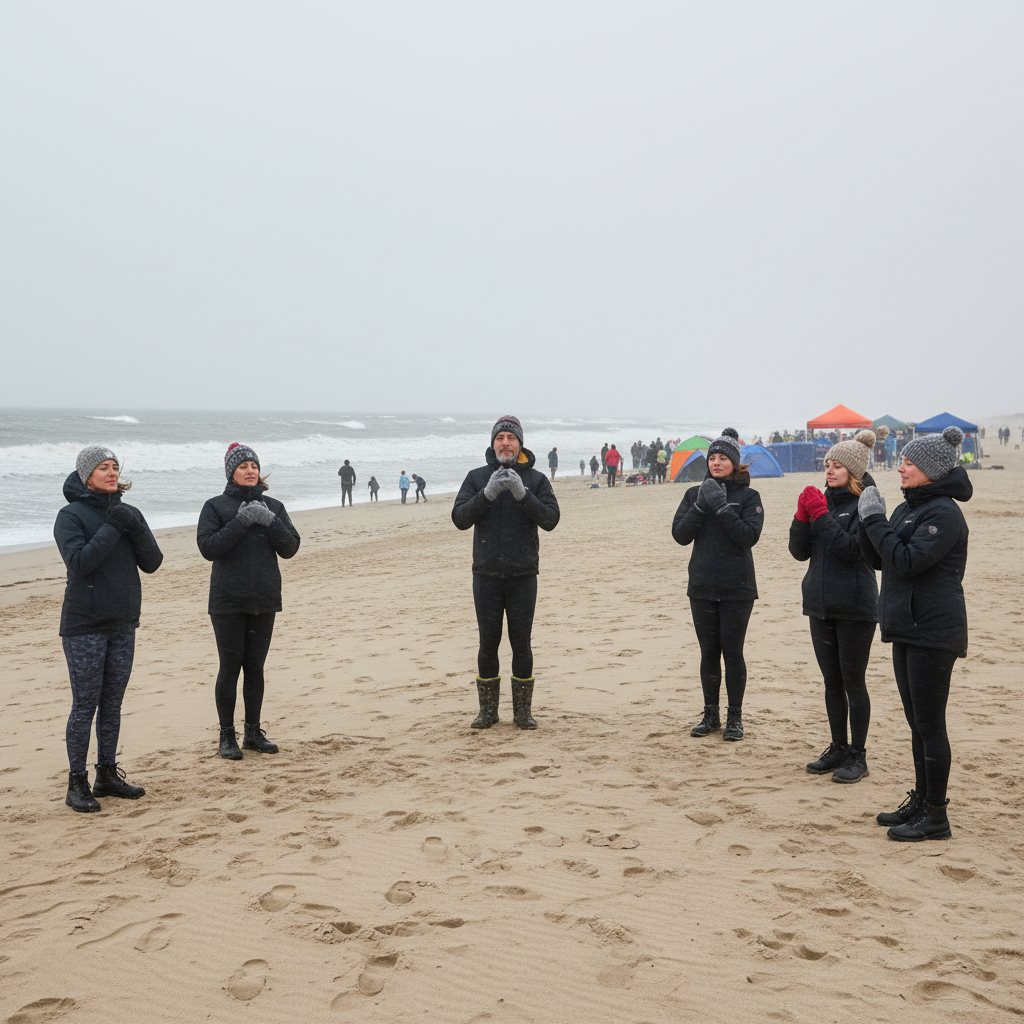
Practical prep that usually works:
- Arrive early so you’re not sprinting from parking to entry.
- Do a gentle warm-up (walk, light squats, arm circles) so you enter warm, not sweaty.
- Set a simple rule: you can always end early, you don’t “have to” match someone else’s time.
- Skip alcohol before: it can change judgment and how cold feels.
If you have heart, breathing, or fainting history, or you’re pregnant, it’s worth asking a clinician what’s reasonable for you. Real life differs person to person, and cold exposure is not the place to guess.
A Quick Self-Check: Are You Ready for a Cold-Water Trip?
If you’re unsure whether this is “for you,” use this quick checklist. It’s not a diagnosis, it’s a reality check before you buy flights and convince friends.
- You can follow a plan even when you feel uncomfortable, and you’re okay stopping early.
- You have a warm, dry setup for after, not just “a towel somewhere.”
- You can avoid going alone, or you can at least arrange a spotter nearby.
- You’re not currently sick, exhausted, or sleep-deprived, those make cold stress feel worse.
- You’re willing to keep the first plunge short, even if social media makes that feel “uncool.”
If two or more items feel shaky, you can still do a plunge, but scale it down: organized event, shorter exposure, warmer location, or a “dip and out” plan.
The Plunge Itself: Keep It Simple, Keep It Short
On-site, complexity is your enemy. You want a clean routine you can repeat.
A low-drama sequence
- Pick your entry and exit points before you get wet.
- Secure your warm layer so it’s easy to grab, not buried under wet items.
- Enter steadily, focus on controlled breathing, and avoid dunking your head if you’re not used to it.
- Keep your time conservative, especially on a travel trip where you’re in an unfamiliar place.
According to the American Red Cross, cold water can affect breathing and movement, and it’s safer to treat open water with extra caution. In practice, that means staying close to shore and not turning a plunge into a swim unless conditions and supervision clearly support it.
After-Drop: The Part Most Travelers Underestimate
Many people feel “fine” right after exiting, then get hit with deeper chill later. This is one reason polar plunge travel tips lean so hard on post-plunge planning.
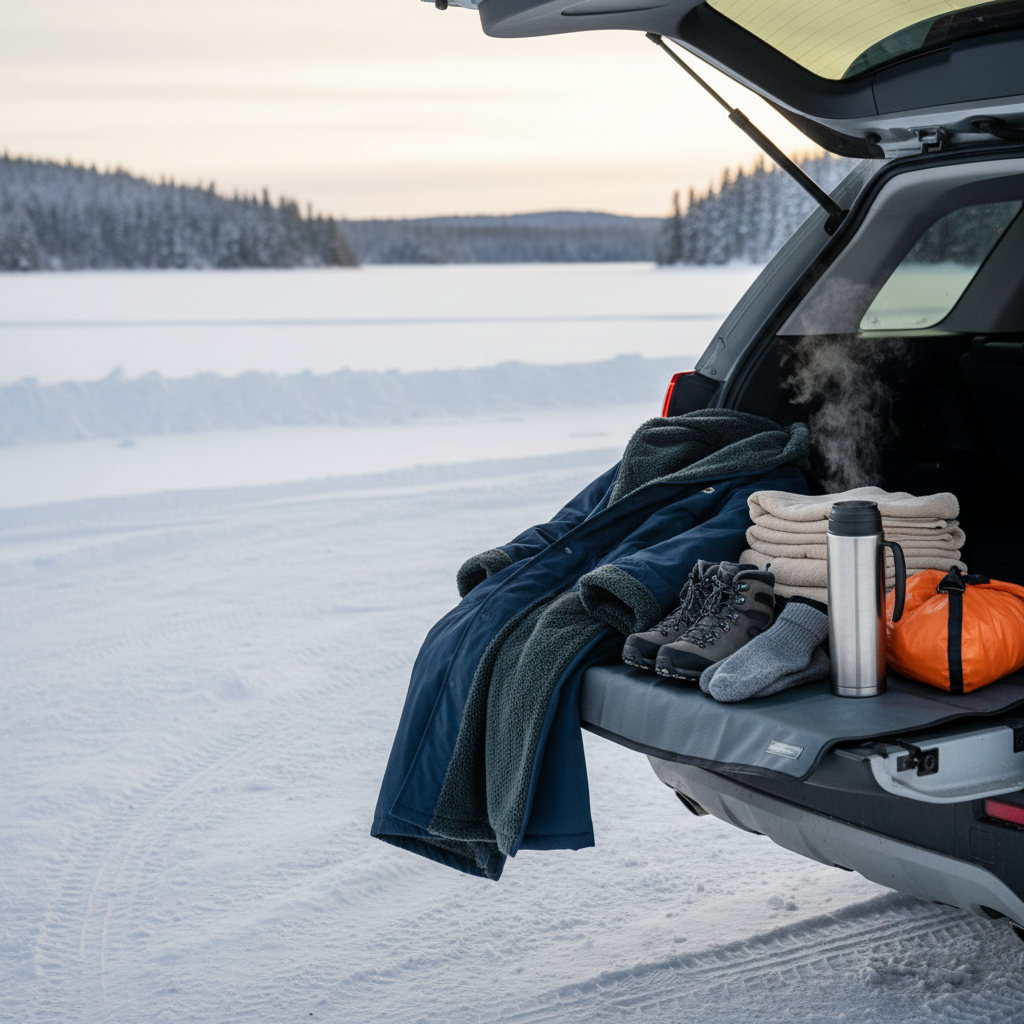
Make your after routine boring and repeatable:
- Dry first, then dress. Wet skin under a warm layer still steals heat.
- Start with feet and head: socks, shoes, hat, then torso layers.
- Warm drink and calm walking beats frantic jumping around.
- Get into shelter quickly if wind is strong.
If you notice confusion, uncontrolled shivering that doesn’t improve, clumsy speech, or someone seems “not themselves,” treat it as a serious signal and seek medical help. If you’re traveling, identify urgent care and hospital options in advance so you’re not Googling in a panic.
Travel Logistics: Timing, Lodging, and One Table That Saves You
Cold adventures become easier when you plan for friction: parking, bathrooms, changing space, and the long drive back. If you’re flying, you also need to think about what you can carry on when wet gear is in the mix.
Trip-planning moves that pay off
- Book lodging with heat you control and a shower you can access quickly after.
- Build buffer time for check-in and parking, cold makes delays feel twice as stressful.
- Bring duplicates of the small stuff (socks, gloves), they’re cheap and they fail often.
- Plan food: a warm meal nearby helps you recover and keeps the day fun.
Quick planning table
| Scenario | What usually goes wrong | What to do instead |
|---|---|---|
| Organized beach event | Long wait in wind, wet feet on pavement | Bring booties, foam pad, and a throw-on robe for fast warmth |
| Lake plunge with friends | No clear exit, scattered gear, “one more minute” pressure | Choose exit first, assign a gear buddy, set a strict time cap |
| Traveling solo | No spotter, poor decision-making when uncomfortable | Use staffed events, stay shallow, tell someone your plan and timeline |
| Cold, windy conditions | After-drop feels worse, fingers stop cooperating | Shorten exposure, prioritize hat/gloves, warm up indoors sooner |
Common Mistakes That Make a Plunge Feel 10× Harder
Some errors are predictable, and honestly, they’re usually travel-related.
- Overpacking “just in case” items and then losing the one thing you need fast, like dry socks.
- Planning a long scenic drive right after, when you might feel shaky or fatigued.
- Trying to “win” the cold instead of treating it like a controlled experience.
- Going head-first without practice, the shock can be a lot for many people.
- Relying on a single towel, which becomes a cold wet rag instantly.
If you want one simple rule: reduce the number of decisions you must make while cold, because your brain will argue with you at the exact wrong time.
Conclusion: Make the Trip Fun by Designing the After
A travel plunge goes well when you treat it like a short, intense moment inside a bigger plan: warm-up, quick dip, and a calm recovery routine. Pack for transitions, choose a location with an easy exit, and keep your first attempt conservative. If you’re building your trip now, pick one thing to upgrade, either better footwear, a warmer post-plunge layer, or lodging closer to heat, those three fixes cover most regret.
If you’re putting together your own checklist, start with the table above and turn it into a one-page note on your phone, then share it with whoever travels with you so everyone follows the same plan.
FAQ
What are the most important polar plunge travel tips for first-timers?
Plan the exit and warm-up before you think about the entry. Bring two towels, warm head/foot gear, and a simple routine you can follow even when you feel rushed or cold.
How long should I stay in during a polar plunge while traveling?
Many people do best with a very short first exposure, then reassess. Because travel adds fatigue and unfamiliar conditions, a conservative time cap is usually the safer, more enjoyable call, if you have health concerns, ask a clinician.
Should I wear a wetsuit, or is a swimsuit fine?
It depends on water temperature, wind, and how long you plan to be in. For quick, organized dips, a swimsuit plus booties and a cap can work; for colder or longer exposures, a wetsuit may reduce discomfort and risk.
Is it safe to do a polar plunge alone on a trip?
It can be higher risk because there’s no one to spot trouble or help if you slip or feel faint. If solo travel is your only option, staffed events and staying very close to shore are typically more reasonable.
What should I do right after I get out of cold water?
Dry off, get hat and socks on early, then add warm layers. Move into shelter and sip a warm drink, if you feel confused or your shivering feels out of control, seek medical help.
Can I warm up with a hot shower immediately after?
Often it feels great, but going from extreme cold to very hot can feel uncomfortable for some people. A more gradual warm-up is commonly easier, if you’re unsure how you respond, keep the shower warm rather than scalding.
What’s the best way to keep my gear dry while traveling?
Use a dry bag or large zip bags to isolate wet items, and pack a dedicated “post-plunge bundle” that never touches the wet stuff: socks, beanie, base layer, and a warm top.
If you’re planning a cold-water weekend and want it to feel smooth instead of stressful, it helps to build a simple packing checklist and a timed routine for before and after the plunge, if you prefer a more hands-off setup, look for organized events that provide changing areas or nearby heated shelter.