
portable blender travel smoothie setups can be amazingly convenient, until the cup leaks in your bag, the motor stalls on frozen fruit, or TSA rules feel unclear.
If you travel a lot, even small frictions add up, wet backpacks, wasted ingredients, and that awkward moment when you realize your “smoothie” is basically chunky yogurt. The good news is most issues come down to a few predictable factors: power, blade design, jar shape, and how you load ingredients.
This guide walks through what actually matters when choosing a portable blender for travel, how to prep ingredients so it blends smoothly, and the small habits that keep cleanup and spills under control.
What makes a portable blender work well for travel smoothies
For travel, you’re not chasing “most powerful” as much as “most reliable in real conditions,” hotel rooms, airports, car cup holders, and quick rinses in tiny sinks.
Battery and charging matter more than most people expect. If you want consistent blends, look for USB-C charging, a clear battery indicator, and a brand that sells replacement parts. Many travelers get stuck with “it worked twice, then died” because they only charge when the blender is already low.
Jar geometry and blade height is the other quiet deal-breaker. A slightly narrower jar with a good vortex tends to pull fruit down toward the blades more easily, while very wide cups can leave ingredients sitting on the side unless you shake or stir.
- Capacity: 12–20 oz is the sweet spot for a single serving without being bulky.
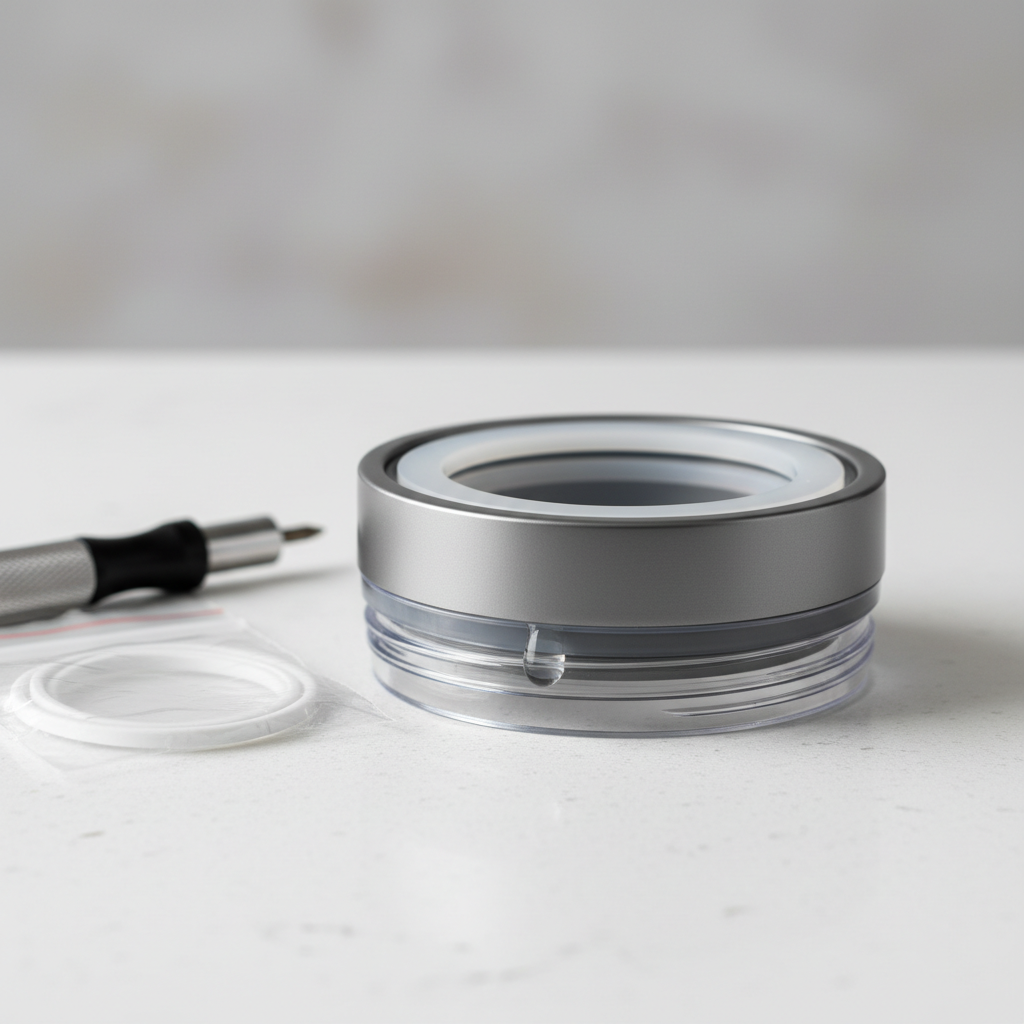
- Seal design: prefer a lid with a defined gasket and a firm lock, not a loose screw cap that cross-threads.
- Base stability: a wider base reduces “walking” on hotel counters.
Common reasons travel smoothies come out chunky (and how to fix them)
Most blending problems on the road aren’t because the blender is “bad,” they’re because travel ingredients are harder: partially thawed freezer packs, dense nut butters, and not enough liquid.
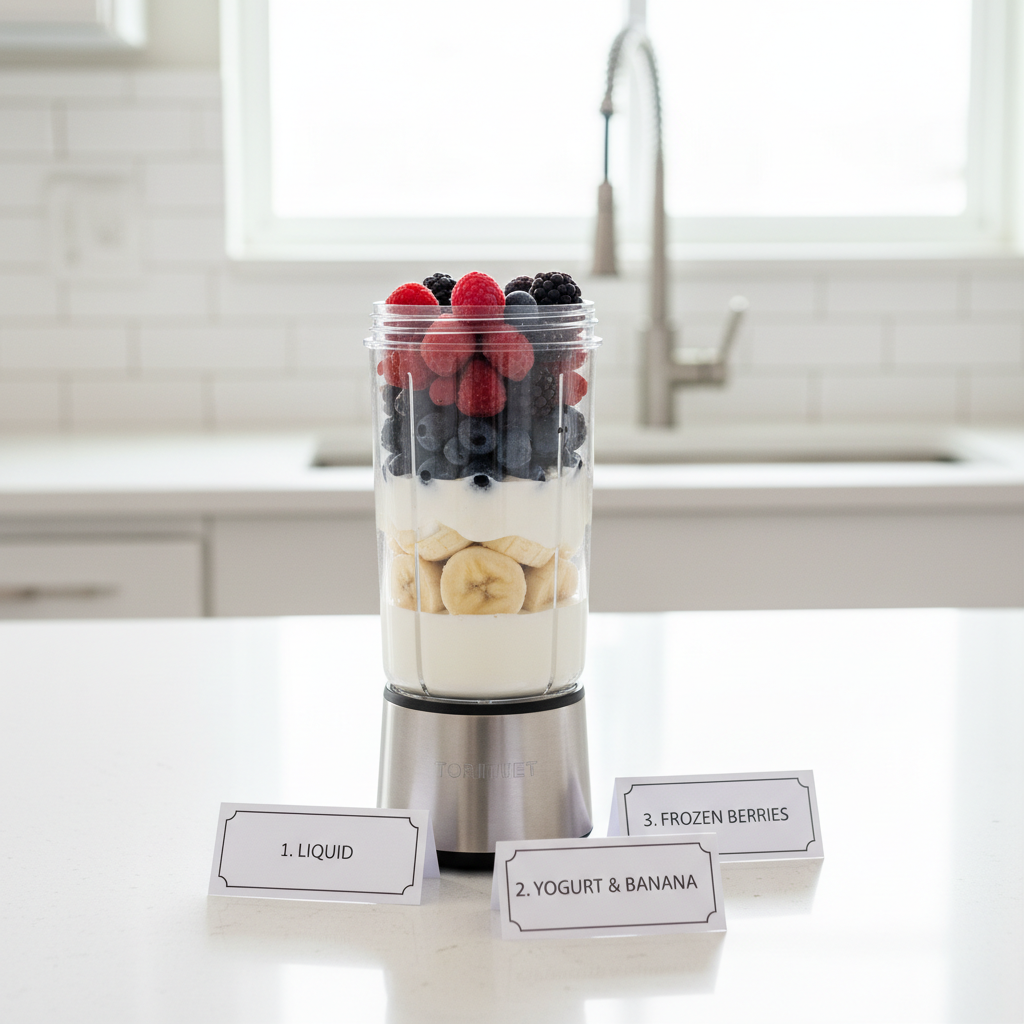
1) Too much frozen fruit, not enough liquid. Portable units can struggle if the blades can’t grab. Add liquid first, then softer ingredients, then frozen items on top so they fall into the vortex.
2) Large ice cubes or rock-solid fruit. Many portable models handle small ice or soft frozen fruit better than big cubes. Let fruit sit 3–5 minutes, or use crushed ice when possible.
3) Overloading protein powders and thickeners. Psyllium, chia, and some meal replacements thicken fast. Mix them after blending, or add slowly and re-blend.
4) Battery too low to maintain torque. You’ll notice the motor sound drop and the blend stalls. Top up charge before you need it, and avoid “one last blend” on low battery.
A quick self-check: are you buying the right travel blender?
If you’re shopping (or deciding whether to keep what you have), run this short checklist. It’s the fastest way to avoid buyer’s remorse.
- Your typical ingredients: mostly fresh fruit and yogurt, or frozen fruit, ice, nut butter?
- Your travel style: car trips with a cooler, or flights with carry-on only?
- Where you’ll wash it: full kitchen sink, hotel bathroom sink, or “rinse and go”?
- Noise sensitivity: early-morning blending in thin-walled hotels can be awkward.
- Parts availability: can you easily replace a lid gasket or cup?
If you consistently blend frozen fruit and nut butter, you’ll usually want a model known for stronger torque and a jar that creates a good vortex, even if it costs a bit more.
Step-by-step: a dependable portable smoothie routine (no mess)
portable blender travel smoothie success is mostly about the order of operations. A simple routine prevents stalls and cuts cleanup time.
1) Pack ingredients in travel-friendly portions
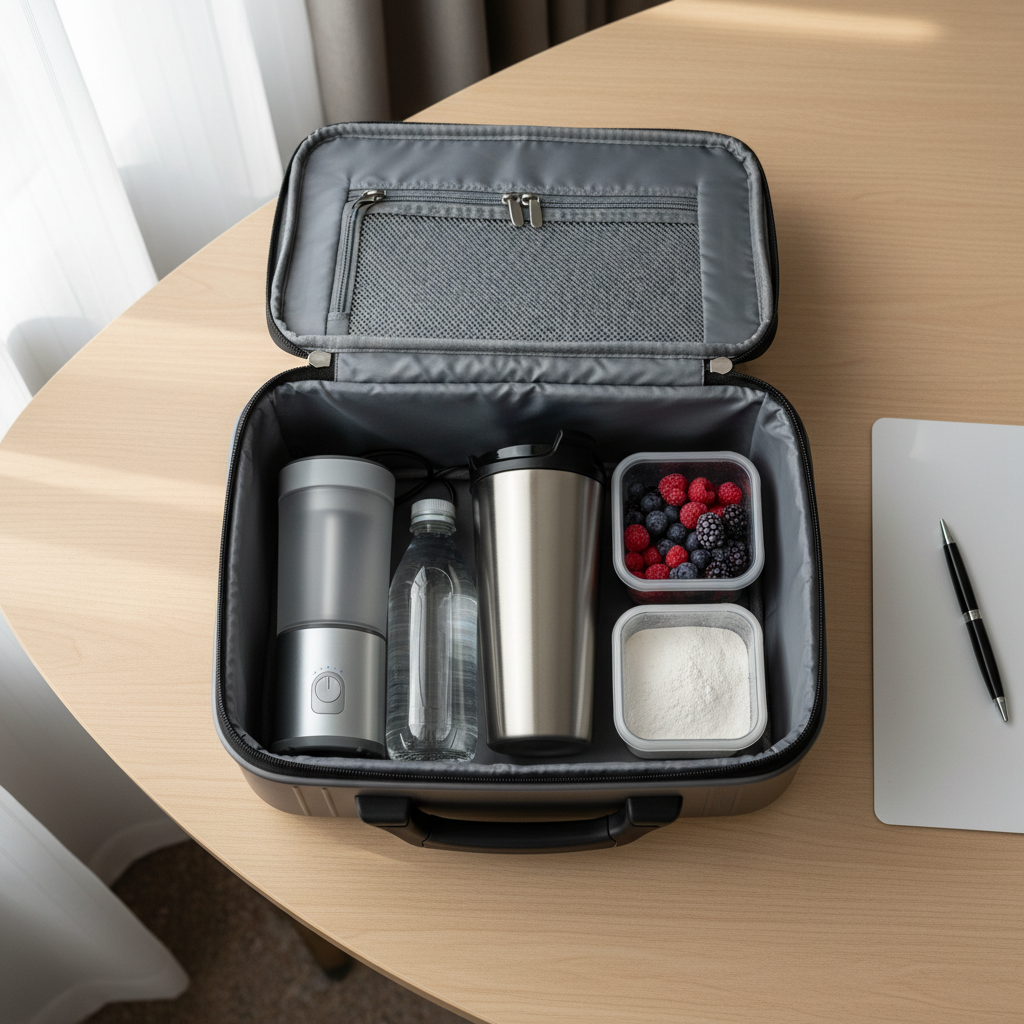
Use small containers or silicone bags and keep it boring: banana coins, berries, spinach, and a scoop of powder. Nut butter goes in a tiny jar so it doesn’t glue everything together mid-blend.
2) Load in the right order
- Liquid first: water, milk, or juice helps the blades catch immediately.
- Soft ingredients next: yogurt, banana, protein powder.
- Frozen last: berries, small ice, frozen mango.
3) Use short cycles, then reset
Instead of one long blend, do a cycle, stop, shake gently, then blend again. Many portable models are designed around short bursts, and it keeps the motor from stalling.
4) “Rinse blend” cleanup
Add warm water and a drop of dish soap, blend briefly, then rinse. This works well in hotels where you don’t want to scrub around blades. If you’re sensitive to soap residue, rinse twice.
Travel and safety: batteries, TSA, and food handling basics
Rules can change, and enforcement varies by airport, so it’s smart to check before you fly. According to TSA, spare lithium batteries must travel in carry-on baggage, and many devices with lithium batteries are expected to be in the cabin rather than checked luggage.
Some portable blenders have the battery integrated, so you can’t separate it. In that case, plan to carry the blender base in your carry-on, keep it powered off, and protect the button from accidental activation.
For food safety, treat smoothies like any perishable drink. According to the USDA, perishable foods shouldn’t sit at room temperature for extended periods; when in doubt, keep ingredients cold and toss anything that has been warm too long. If you have medical dietary needs, it’s reasonable to consult a qualified professional for personalized guidance.
Comparison table: choose based on how you actually travel
Here’s a practical way to decide what features matter most, based on your most common trip type.
| Travel scenario | What to prioritize | What to avoid |
|---|---|---|
| Carry-on flights, hotel stays | USB-C charging, leak-proof lid, quiet-ish motor, easy rinse cleaning | Bulky bases, complex multi-part seals that are easy to lose |
| Road trips with cooler | Stronger blending for frozen fruit, extra cup, car-friendly shape | Very small capacity if you’ll make multiple servings |
| Office or gym commuting | Fast cleanup, sturdy cup, reliable battery indicator | Weak locking mechanism that can open in a bag |
| Outdoor travel (camping, hikes) | Durability, simple controls, good battery life | Fragile jars and glossy finishes that scratch easily |
Mistakes that waste money (and what to do instead)
The most common mistake is buying based on watt numbers or marketing clips, then using it like a countertop blender. Portable blending is a different game.
- Overfilling to the brim: it increases pressure and leaks, stop at the max line and give ingredients room to circulate.
- Ignoring gasket maintenance: a slightly twisted or dirty gasket causes slow leaks. Rinse and reseat it, replace if it warps.
- Blending ultra-thick mixes daily: you’ll strain the motor. Thin with liquid, or split into two small blends.
- Storing smoothies in the blender cup for hours: smells cling to seals. Transfer to a bottle if you won’t drink soon.
Key takeaways before your next trip
If you want consistent results, optimize your routine, not just the device. A reliable portable blender comes down to enough charge, the right loading order, and a lid that truly seals.
For your next trip, pick one smoothie recipe you can repeat without thinking, pack portions, and do a quick “water-only test blend” at home to confirm the cup and gasket don’t leak in your bag.
FAQ
What’s the best way to pack a portable blender for flights?
Keep the base in your carry-on, protect the power button from getting pressed, and pack the cup empty and dry. If your model has removable blades, store them in a protective case so they don’t get dinged.
Can a portable blender handle frozen fruit for smoothies?
Many can, but the experience varies by model and by how you load ingredients. Let fruit soften briefly, add liquid first, and avoid big ice cubes if your blender tends to stall.
Why does my travel smoothie separate quickly?
Separation often happens when the blend isn’t fully emulsified, or when you use juice with fibrous greens. Blend a bit longer in short cycles, and consider adding a small amount of yogurt or banana for stability.
How do I stop leaks in my bag?
Check the gasket alignment, don’t overfill, and wipe threads before tightening the lid. If leaks persist, the seal may be worn, replacing the gasket often fixes it more than overtightening does.
Is it safe to blend hot liquids in a portable blender?
Usually not recommended unless the manufacturer explicitly allows it. Hot liquids can build pressure and force leaks; for warm drinks, let liquids cool first and follow the device’s safety guidance.
How often should I clean the lid and seal?
After each use is ideal, especially if you use dairy or protein. A quick rinse helps, but a deeper wash every few uses keeps odors from settling into the gasket.
What if the motor runs but nothing blends?
That’s commonly an ingredient “air pocket” issue. Add more liquid, shake to re-seat ingredients near the blades, and blend in shorter cycles.
If you’re trying to make travel smoothies part of a routine, not a one-off hack, it helps to choose a blender based on your real ingredients and packing constraints, then build a simple prep system you can repeat without thinking.