
how to get around spain by public transport is mostly a question of picking the right mix of trains, buses, and city transit, because Spain works well when you match the mode to the distance and the region.
If you’re coming from the U.S., the part that usually trips people up is not whether public transport exists, it’s the practical stuff: which operator to book, how early to buy, what’s reliable on Sundays, and whether a rail pass actually helps your itinerary.
This guide breaks down what works in real travel scenarios, with a quick decision table, a planning checklist, and a few “do this, not that” tips so you spend less time refreshing booking pages and more time enjoying Spain.
Start with the “right tool for the trip” mindset
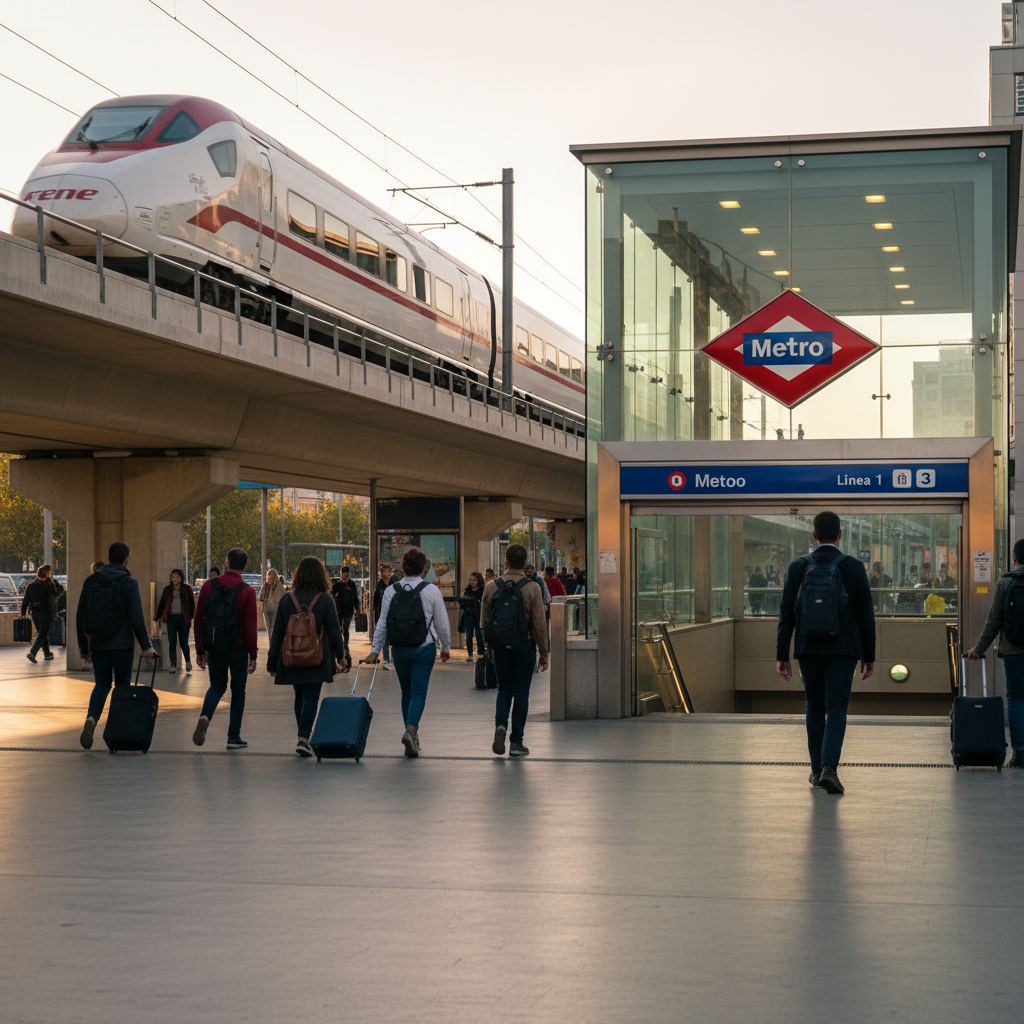
Spain’s network is not one single system, it’s a set of strong systems that shine in different contexts. High-speed rail is excellent on a few core corridors, regional trains can be convenient but less frequent, and long-distance buses quietly solve many gaps trains do not cover.
When people feel public transport is “hard,” it’s often because they try to force trains onto routes where buses are more direct, or they assume every city pair has fast rail like Madrid–Barcelona.
Quick decision table
| Trip type | Best option (usually) | Why it works | Watch-outs |
|---|---|---|---|
| Madrid ↔ Barcelona, Valencia, Seville, Malaga | High-speed train | Fast, frequent, city-center to city-center | Prices rise close to departure |
| Smaller cities, mountain areas, many coastal links | Intercity bus | More coverage, often fewer connections | Stations can be outside the center |
| Within large cities (Madrid, Barcelona, Bilbao) | Metro + local bus | Cheap, frequent, easy with tap-and-go in many cases | Airport routes may use different tickets |
| Day trips to nearby towns | Regional train or bus | Simple logistics, less stress than driving | Limited late-night returns |
| Multi-stop, time-sensitive rural itinerary | Mixed + occasional car | Public transit for main legs, car for gaps | One-way rentals can be pricey |
Know your main transport options (and when to use each)
To figure out how to get around spain by public transport efficiently, it helps to treat each mode as a tool with a job. You do not need to memorize every operator, but you should know what each mode is good at.
High-speed and long-distance trains
High-speed trains are the obvious win on major routes, they cut out airport transfers and security lines, and they drop you in the center. Booking early tends to matter more here than anywhere else, because fares often behave like airline pricing.
- Best for: Madrid–Barcelona, Madrid–Seville, Madrid–Valencia, Madrid–Malaga, and other big-city links.
- Less ideal for: Some coastal-to-coastal trips where you’d need multiple changes.
Regional trains (shorter distances)
Regional trains can be comfortable and scenic, but frequency varies a lot by region. They’re great for day trips when departures line up, and frustrating when they do not.
- Best for: Suburban zones, nearby towns, and corridors with regular service.
- Reality check: If the schedule gives you only one good departure, build your day around that, not the other way around.
Intercity buses (the underrated backbone)
Buses cover routes trains skip, especially in smaller regions and some coastal areas. Many travelers avoid them out of habit, then later realize the bus was the direct option all along.
- Best for: Medium distances, rural coverage, and “train gap” routes.
- Common trade-off: Longer ride time, but fewer connections and sometimes lower cost.
City transport: metro, bus, tram, and commuter rail
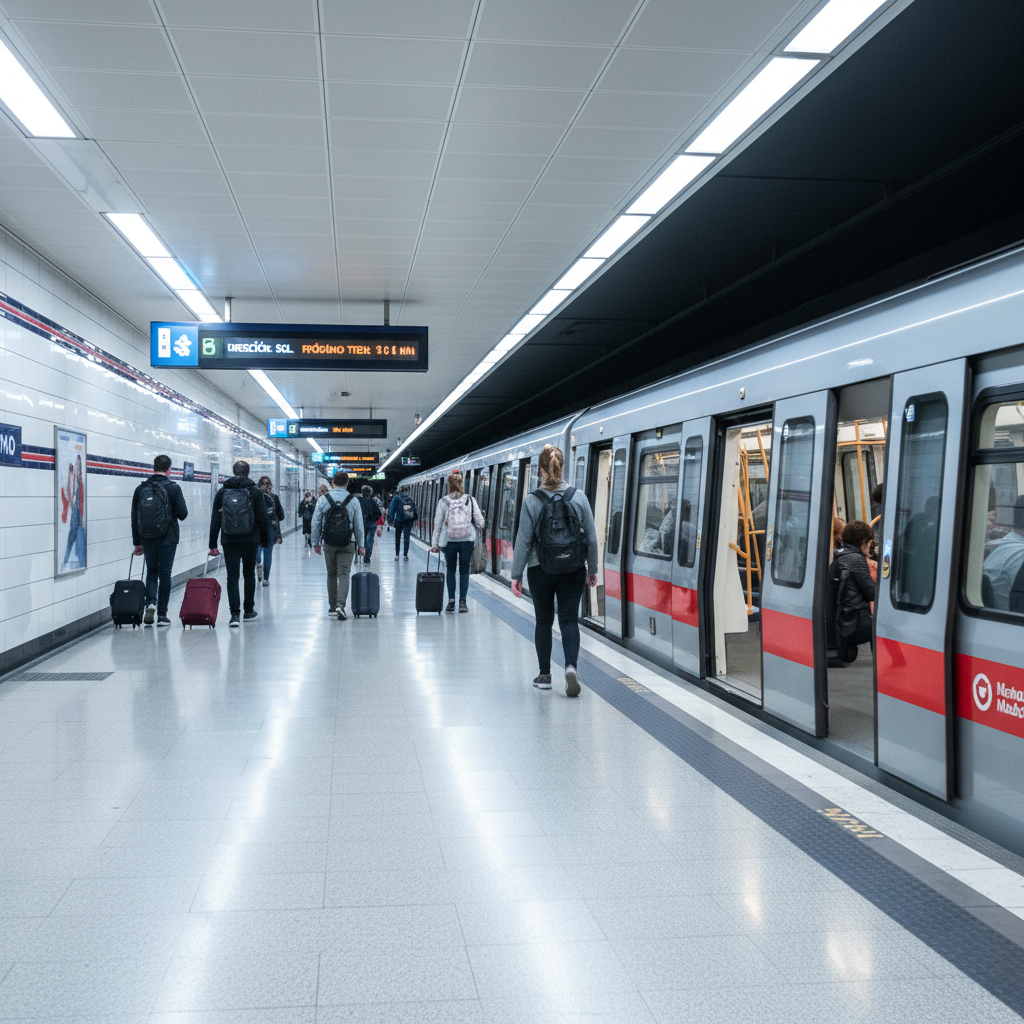
In big cities, you’ll usually combine metro and local buses, with commuter rail filling in airport or suburban links. Ticketing differs by city, so a little prep saves time at machines when you’re jet-lagged.
- Best for: Moving around neighborhoods, museums, and food markets without needing taxis.
- Tip: Keep an eye on whether the airport has a special fare or supplement, this varies by system.
Booking and ticketing, what’s actually worth doing in advance
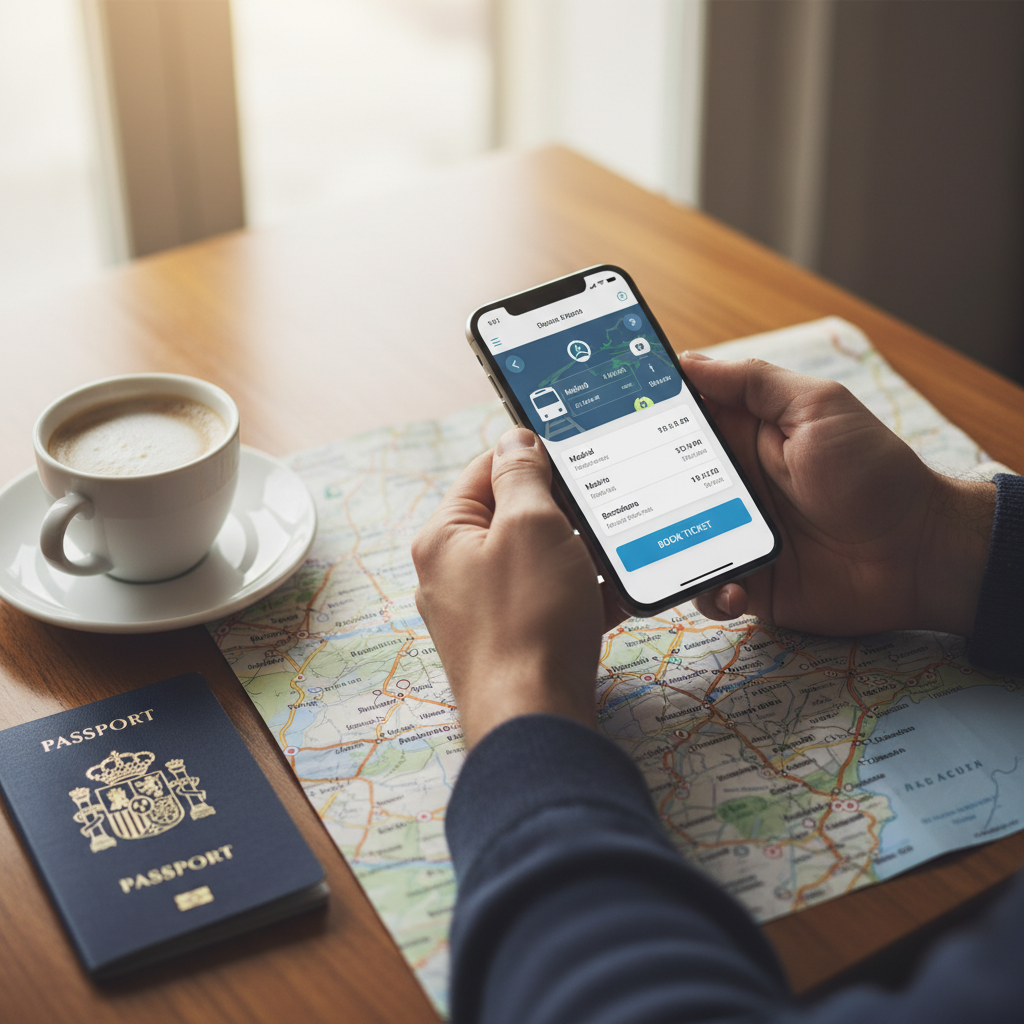
Most of the time, the question is not how to get around spain by public transport, it’s how to avoid paying more or getting stuck with a weird connection. Advance planning helps most on long-distance rail, while city tickets are usually easy on arrival.
What to book early
- High-speed trains between major cities: Buy when your dates feel stable, especially for weekends and holidays.
- Popular long-distance buses: Book ahead in peak season or if there are only a few daily departures.
- Airport-to-city transfers: Usually you can buy on the spot, but confirm the last departure if you land late.
What you can leave flexible
- Metro and local buses: Purchase in-station or via local apps where available.
- Short regional hops: Often fine day-of, unless it’s a holiday weekend.
Where to verify schedules and policies
For rail planning, check the operator schedules close to travel. According to Renfe (Spain’s national rail operator), timetables and service updates can change seasonally, so confirming shortly before your trip helps avoid surprises. For local transit, city agencies typically post service notices and planned works on their official sites.
A quick self-check to match your itinerary to public transport
If you’re unsure whether public transport will feel easy for your trip, run through this checklist. It’s a fast way to spot where you might need buffers, backups, or the occasional taxi.
- Your base cities are large: Madrid, Barcelona, Valencia, Seville, Malaga, Bilbao usually means smooth logistics.
- You have 2–3 nights per stop: Fewer travel days, fewer tight transfers.
- You’re not changing cities on Sundays: Some regional frequency drops, especially outside major corridors.
- You can handle stairs and short walks: Stations vary, and not every connection feels airport-level accessible.
- You’re comfortable with a Plan B: If a connection is missed, you can wait for the next one without panicking.
If two or more of these feel shaky, you can still do Spain without a car, but you’ll want smarter routing and a bit more cushion time.
Practical step-by-step planning (the method that avoids most mistakes)
This is the workflow many frequent travelers use, even when they already know how to get around spain by public transport. It’s boring in the best way, because it reduces last-minute stress.
Step 1: Lock the long legs, then build the days around them
Pick your intercity travel days first, then decide morning vs afternoon based on check-in times and what you care about seeing. Trying to keep everything “flexible” often costs more and adds uncertainty.
Step 2: Choose stations on purpose
Some cities have multiple stations, and not all are equally convenient. Before booking, check which station puts you closest to your neighborhood, not just the city name on the ticket.
Step 3: Add connection buffers that match the stakes
- Low-stakes transfer (same station, frequent departures): a modest buffer often works.
- High-stakes transfer (different stations, last train of the day): build more time, even if it feels overly cautious.
Step 4: Save offline details
Screenshot tickets, store station names in your notes, and write down the Spanish name of your destination. This matters when your phone signal drops or when you’re asking for directions quickly.
Common pitfalls (and the simple fixes)
Spain’s transit is very usable, but a few patterns cause most headaches. Fix these early and your trip usually feels straightforward.
- Assuming every route has high-speed rail: If the train option includes multiple changes, check buses before committing.
- Underestimating station time: Big stations can be confusing, and platforms might not show early. Arrive with margin, especially on long-distance trains.
- Overpacking the itinerary: Two cities in two days looks good on paper, then you spend Spain through windows and waiting halls.
- Mixing up city station names: Confirm the exact station on your ticket and map, this avoids expensive cross-town taxi rides.
- Buying a pass without doing the math: Rail passes can help in some itineraries, but many travelers do better booking point-to-point early.
When you might want extra help or a different plan
Public transport covers a lot, but it does have edges. If your trip includes remote villages, late-night arrivals, or tight accessibility needs, you may want a more tailored approach.
- Accessibility needs: Station elevators, step-free access, and assistance policies vary, so checking operator guidance is wise. If you have specific medical or mobility concerns, it may help to consult a qualified professional or your airline/travel insurer for planning advice.
- Rural lodging: If your hotel is outside town, the last-mile problem can dominate your day, plan taxis in advance or consider a short car rental.
- Travel during major holidays: Demand spikes and schedules may shift, so locking key legs early reduces risk.
Key takeaways and a simple next step
If you keep one idea in mind, make it this: how to get around spain by public transport becomes easy when you stop forcing one mode everywhere, lock the long-distance legs early, and stay flexible on city transit.
Your next step can be small: pick your top two intercity trips, compare train vs bus time and station locations, then book the option that fits your day best. Once those anchors are set, the rest of Spain tends to fall into place.