
how to protect lips from sun and wind starts with one honest idea: your lips get hit hard, and they have less natural protection than the rest of your skin, so they dry out, crack, and burn faster than you expect.
If you’ve ever come home from a beach day with a tight, peeling upper lip, or felt stinging cracks after a windy hike, you already know the problem isn’t just “dryness.” Sun (UV) can trigger burns and long-term damage, wind strips moisture, and cold air or salty spray makes everything worse.
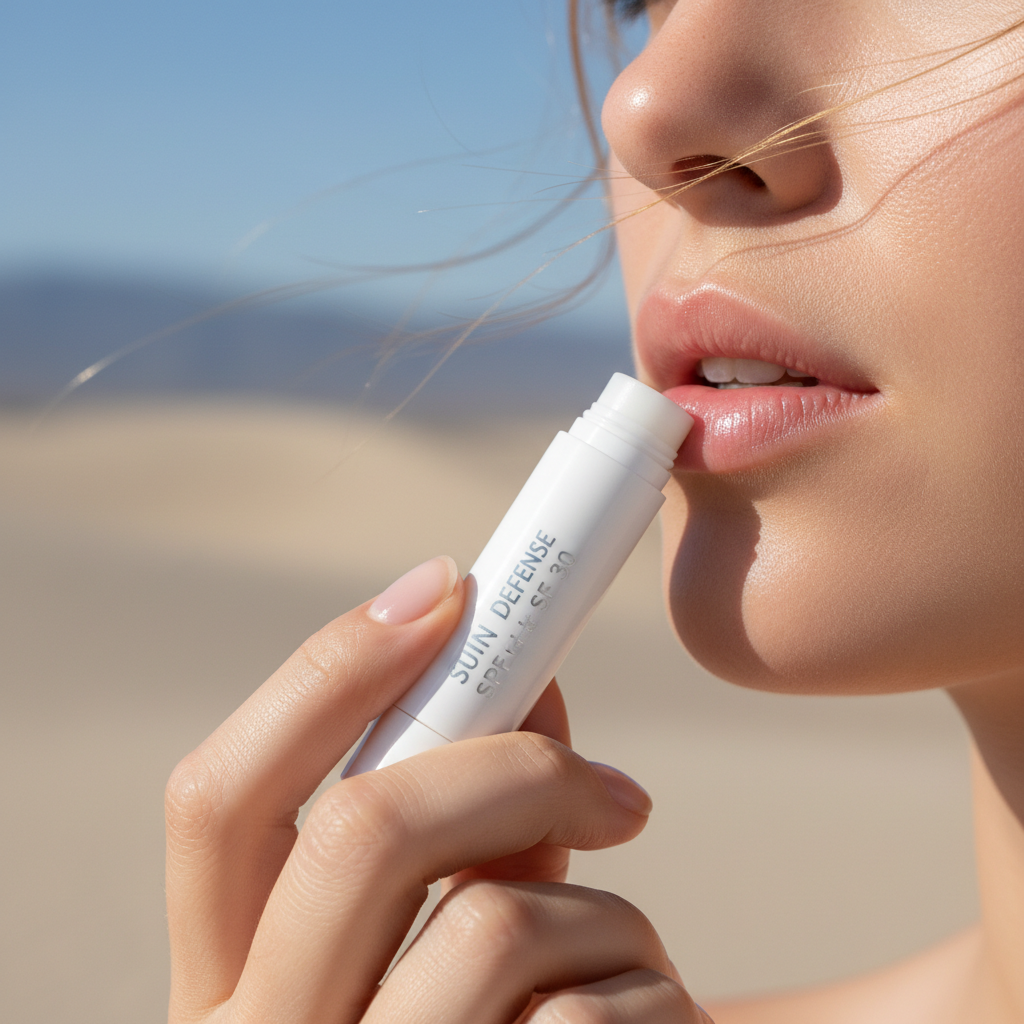
This guide keeps it practical: what’s actually happening to your lips, a quick self-check to figure out your main trigger, and a routine that works for everyday city life, beach days, winter commutes, and high-altitude trips. No “miracle balms,” just the steps that usually move the needle.
Why lips get damaged faster than you think
Lip skin is thin and doesn’t produce oil the way other facial skin can, so it loses water quickly and struggles to rebuild its barrier after exposure.
- UV exposure can cause sunburn on the lips, and repeated exposure may increase long-term risk for sun-related damage.
- Wind accelerates moisture loss, which makes lips feel tight, then flaky, then cracked.
- Cold or low humidity reduces water in the surface layers of skin, so balms seem to “disappear” fast.
- Salt water and chlorine can be drying and irritating, especially on already-chapped areas.
- Lip licking feels relieving for 10 seconds, but saliva evaporates and often leaves lips drier and more irritated.
According to the American Academy of Dermatology Association, protecting the lips with a broad-spectrum, water-resistant lip balm with SPF can help reduce sun damage risk, and reapplication matters because products wear off.
Quick self-check: what’s your main lip trigger?
If you’re trying to protect your lips and nothing sticks, it’s often because you’re treating the wrong trigger. Use this quick check to narrow it down.
- It worsens after outdoor sun time: likely UV exposure, you’ll need SPF lip protection and frequent reapplication.
- It flares on windy days: barrier loss, you’ll need a thicker occlusive layer, especially at the lip edges.
- It’s worst in winter or AC-heavy offices: dehydration plus low humidity, plan for more frequent balm and avoid irritants.
- It stings with “minty” balms: potential irritant or allergy, choose fragrance-free, flavor-free options.
- Cracks at the corners: could be irritation from saliva, mask friction, or other causes, if persistent, a clinician can help rule out infection or dermatitis.
Key point: if you’re outdoors and your lips burn, dryness is not the only issue, you’re dealing with sun exposure too.
Build a simple routine that actually holds up outdoors
A good lip routine is boring on purpose, protect in the morning, maintain through the day, and repair at night. Here’s a realistic setup.
Morning: SPF + comfort layer
- Use a broad-spectrum SPF lip balm (many people choose SPF 30 or higher for extended outdoor time).
- Apply generously, including the lip line where burning often sneaks in.
- If lipstick is part of your routine, put SPF underneath and reapply SPF when you can, because many color products don’t provide reliable protection.
Midday: reapply before you feel dry
- Reapply after eating, drinking, wiping your mouth, swimming, or heavy sweating.
- In wind, a slightly thicker balm can reduce friction, especially when talking outdoors.
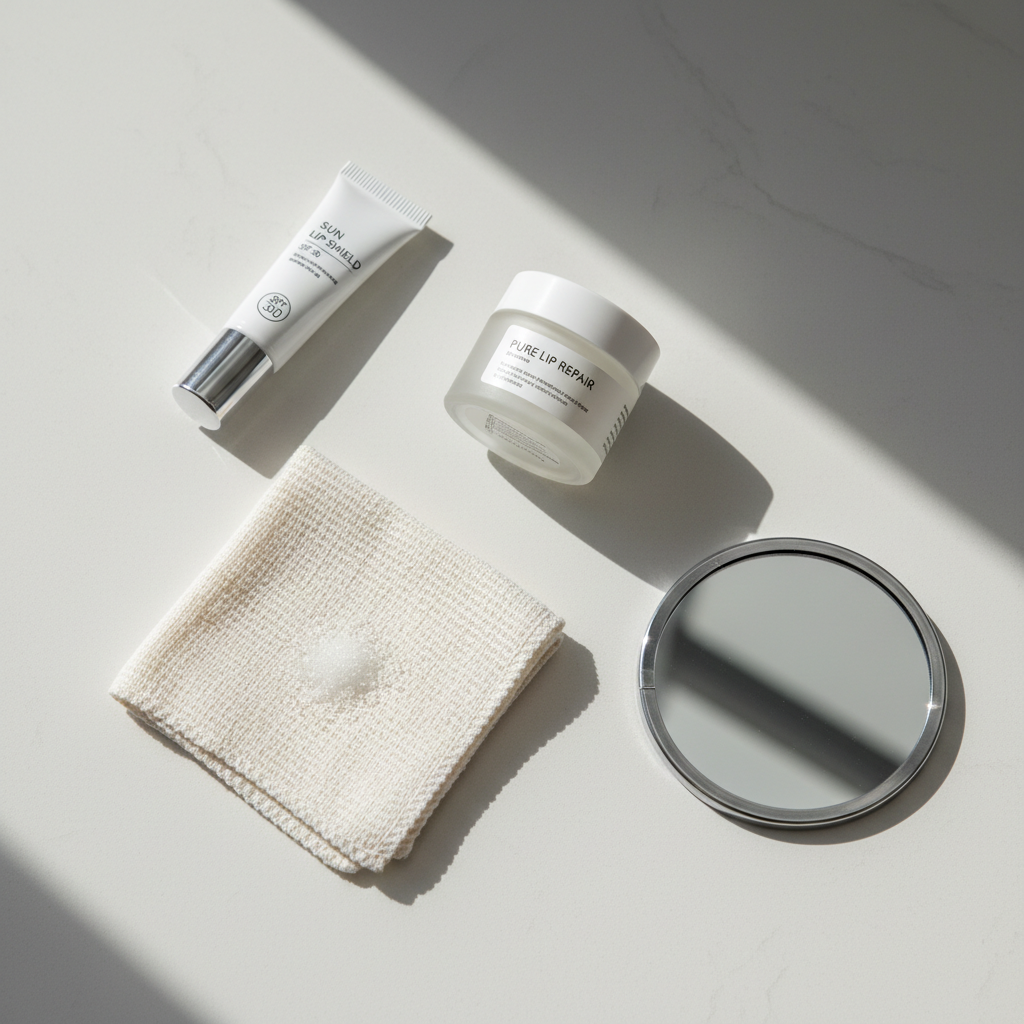
Night: repair without overdoing it
- Use a plain, fragrance-free barrier product at bedtime, many people do well with petrolatum-based ointments.
- If lips are flaky, skip harsh scrubs, focus on softening and sealing moisture for a few nights instead.
What to look for in a lip product (and what to avoid)
Packaging can be loud, formulas matter more. Here’s a simple way to choose.
| Situation | Helpful features | Common pitfalls |
|---|---|---|
| Sunny outdoor days | Broad-spectrum SPF, comfortable feel, easy reapply | Applying once and forgetting, relying on lipstick alone |
| Windy or cold conditions | Thicker occlusive layer (ointment-like), stays put | Very thin balms that vanish fast |
| Sensitive or stinging lips | Fragrance-free, flavor-free, simple ingredient list | Menthol, camphor, strong flavorings, heavy fragrance |
| Beach, pool, sports | Water-resistant claims, frequent reapplication habit | Not reapplying after water, rubbing lips with towels |
According to the U.S. Food and Drug Administration (FDA), sunscreen products are regulated as over-the-counter drugs in the U.S., and labeled SPF and broad-spectrum claims have specific meaning, so reading the label is more useful than marketing copy.
How to protect lips from sun and wind in specific scenarios
how to protect lips from sun and wind changes slightly based on where you are, because the main stressor shifts, UV intensity, wind exposure, salt, and altitude all behave differently.
Beach days and boating
- Put SPF lip balm on before you leave, then reapply on a timer, not “when it feels dry.”
- Wind plus salt spray calls for a balm that clings a bit, not one that melts instantly.
- Don’t forget the upper lip, it catches sun more directly.
Skiing and winter walks
- UV can still be intense, and snow reflection may increase exposure, so SPF still matters.
- Use a thicker layer before stepping outside, then top up right after you come in, indoor heat can dry lips too.
High altitude hikes
- Plan on more frequent reapplication, many people underestimate how quickly product wears off when breathing hard, sweating, and drinking water often.
- If wind is strong, add a scarf or buff to reduce direct airflow on lips.

Everyday commuting and city errands
- Keep one SPF balm at your door or in your bag, convenience beats good intentions.
- If you talk a lot for work, apply a thin base layer, then add a second pass just along the lip edges where cracking starts.
Practical steps when lips are already chapped or sunburned
If your lips are raw, the goal is to calm irritation and rebuild the barrier, not to “polish” the flakes off. Many people make it worse by scrubbing or rotating through five active products.
- Pause irritants: skip minty, tingly, flavored, or heavily fragranced balms for a week.
- Go simple: use a bland occlusive (often petrolatum-based) several times daily.
- Protect from UV: once stinging calms down, return to SPF outdoors to prevent another burn.
- Hands off: avoid peeling skin, it tends to reopen cracks and prolong healing.
If you suspect a true sunburn on the lips, or you develop significant swelling, blistering, fever, or trouble swallowing, it’s safer to seek medical advice promptly.
Common mistakes that keep lips stuck in a “chapped cycle”
- Relying on one morning application: lip products wear off fast, especially with food and drinks.
- Using “medicated” tingling formulas daily: that cooling sensation can feel helpful, but irritation builds for some people.
- Scrubbing flakes aggressively: it looks satisfying, but cracks reopen and sting returns.
- Ignoring the lip line: the border around the lips is where wind and sun damage often shows first.
- Not protecting in winter: many people drop SPF in cold months, even though UV exposure still happens.
According to the American Academy of Dermatology Association, chapped lips that don’t improve may relate to irritants or allergic contact dermatitis, and a simpler, fragrance-free approach often helps narrow the cause.
When to get professional help
Most lip dryness improves with consistent protection and a simpler formula, but a few patterns deserve a clinician’s opinion, especially if the issue keeps recurring.
- Cracking or scaling that lasts more than 2–3 weeks despite gentle care
- Frequent sunburn on the lips, or a persistent rough spot that doesn’t heal
- Bleeding, severe pain, or swelling that makes eating difficult
- Chronic cracks at the mouth corners, which sometimes involve yeast or bacterial infection
- New sensitivity after switching toothpaste, mouthwash, or lip products, which may indicate irritation or allergy
Dermatology, primary care, or a pharmacist can often help you troubleshoot ingredients and decide if prescription treatment or patch testing makes sense.
Conclusion: keep it simple, stay consistent
how to protect lips from sun and wind comes down to two habits: use SPF when you’re outdoors, and use a bland barrier when conditions get harsh. The rest is consistency, reapply before discomfort hits, avoid irritating “tingly” formulas if your lips react, and don’t scrub your way out of a flare.
If you want a quick starting plan, choose one broad-spectrum SPF lip balm for daytime, one fragrance-free ointment for nights, and commit for two weeks, most people can tell pretty quickly if they’re moving in the right direction.