
Inlet travel kayak guide questions usually come from the same place: you want that smooth, glassy-water experience, but you also know inlets can surprise you with wind, boat wakes, and tricky tides.
This guide is built for calm-water travel in U.S. coastal and estuary inlets, places that look mellow on a map yet can change fast. I’ll help you choose the right kayak setup, pick safer times and routes, and avoid the classic “it was calm… until it wasn’t” moment.
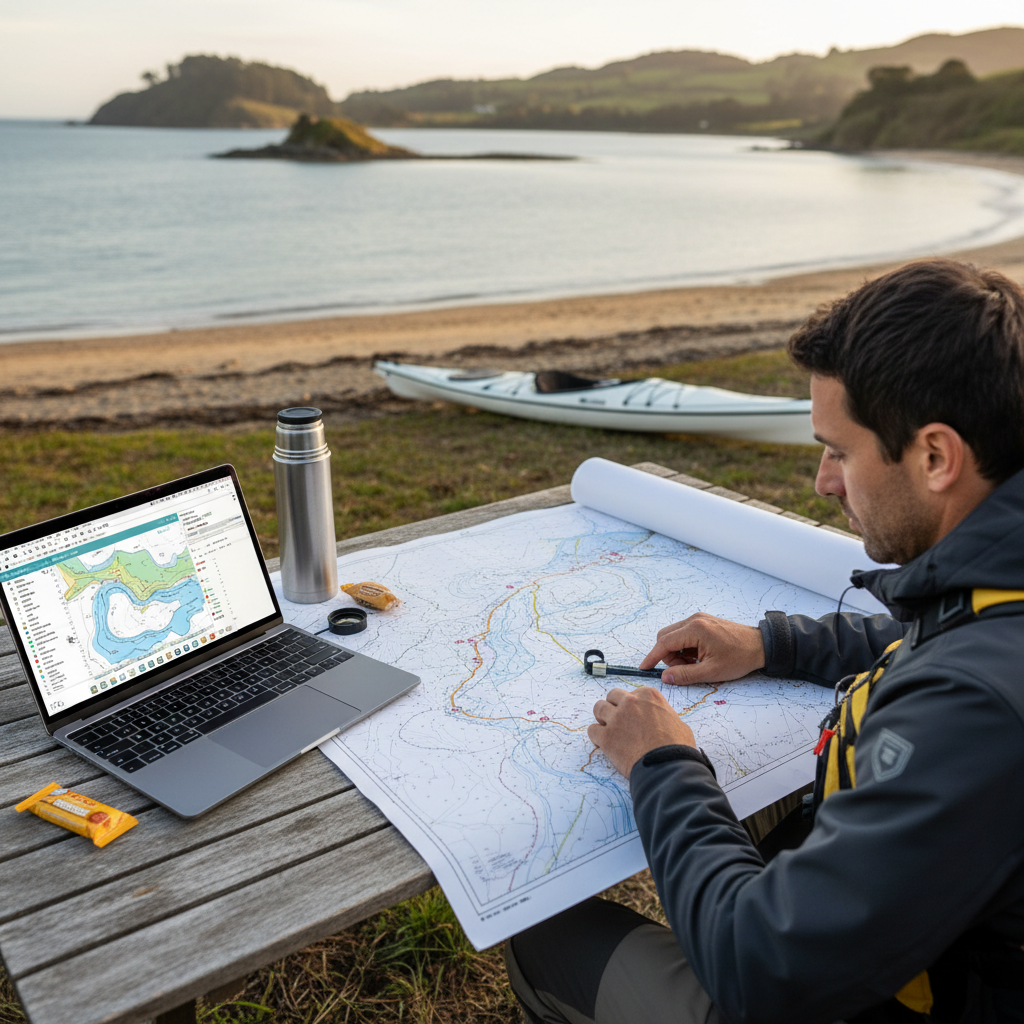
One quick reality check: “calm water” is a condition, not a permanent feature. The win is learning how to stack conditions in your favor so your trip stays relaxing, not stressful.
What “calm water” really means in an inlet
Inlets often feel protected because land blocks open-ocean swell, but a few forces still matter a lot. If you’re using this inlet travel kayak guide to plan beginner-friendly outings, these are the variables you should treat as non-negotiable.
- Wind direction: an onshore breeze can funnel through an inlet and build short, steep chop.
- Tide/current: moving water can create standing waves near constrictions, bridges, or jetties.
- Boat traffic: wakes refract off shorelines and come back at odd angles.
- Fetch: even inside “protected” areas, a long straight stretch of water lets wind build waves.
According to NOAA (National Oceanic and Atmospheric Administration), tides and currents can significantly influence local water conditions, especially near inlets and narrow passages. That’s why checking current predictions matters almost as much as a weather app.
Pick the right kayak and setup for relaxed inlet travel
You don’t need expedition gear to enjoy calm water, but the wrong boat choice can make a mellow paddle feel like work. Here’s the practical way to think about it.
Kayak type: what usually works best
- Touring/sea kayak (12–16 ft): tracks straighter, handles wake better, carries extra layers and water comfortably.
- Recreational sit-inside (10–12 ft): fine for short, sheltered routes, but tends to weathercock more in wind.
- Sit-on-top: convenient in warm regions, good stability, but can be slower and more wind-affected depending on hull.
If you’re aiming for longer inlet crossings or you expect any boat wake, a longer hull and a decent skeg/rudder option often reduces fatigue.
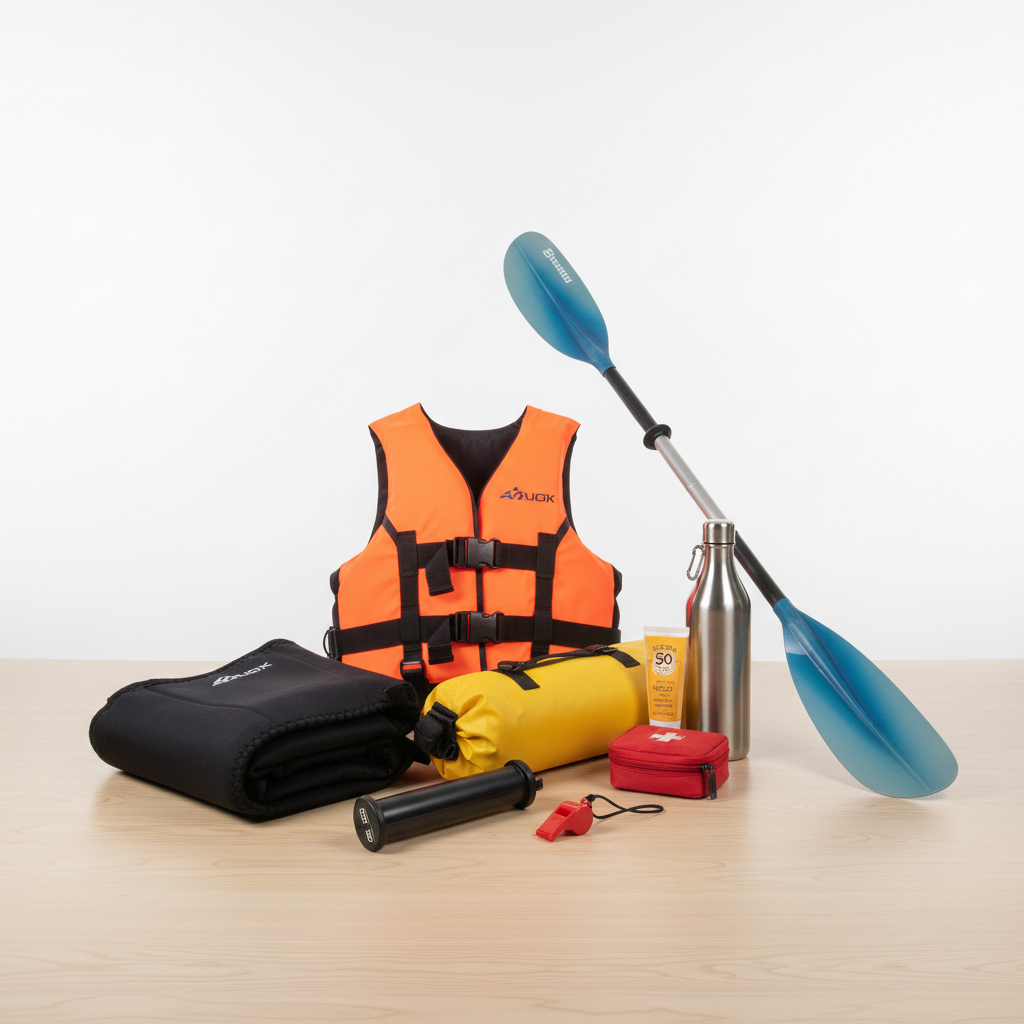
Core safety gear (keep it simple, but real)
- PFD that fits snug and stays on, not “on the deck.”
- Whistle and light if you might be out near dusk.
- Bilge pump (sit-inside) and a spare paddle for longer routes.
- Dry bag with phone in waterproof case, warm layer, and basic first aid.
According to the U.S. Coast Guard, wearing a life jacket is one of the most effective ways to reduce drowning risk in recreational boating incidents. Even on calm water, that advice holds up.
A quick self-check: are you ready for this inlet today?
This is the part many people skip. An inlet travel kayak guide is only useful if you can honestly sort “good day” from “not worth it.” Run this checklist before you unload the boat.
- Wind: Do you have a plan if wind increases by 5–10 mph while you’re out?
- Tide/current: Are you paddling with the current at least one direction, not fighting it both ways?
- Temperature: If you swim unexpectedly, is your clothing appropriate for water temp, not air temp?
- Traffic: Are you comfortable crossing a channel quickly and predictably?
- Exit points: Can you name two easy places to land if you want to cut it short?
If two or more answers feel shaky, it’s usually smarter to shorten the route, move farther inside protected water, or go another day.
Route planning that keeps calm water actually calm
The best calm-water inlet trips are planned around boring constraints, launch access, wind angles, and bailout options. Not around “how many miles can we cover.”
Practical route rules that work
- Stay near lee shores when wind picks up, but don’t pin yourself against rocks or riprap.
- Cross channels at 90 degrees, with a clear plan, then get out of the way.
- Use islands and marsh edges as wind breaks, they often keep the surface smoother.
- Plan an out-and-back with shortcuts so you can turn early without drama.
According to NOAA, localized conditions can differ from the nearest forecast point. If your inlet sits behind a headland or between tall structures, expect wind to behave differently than the general prediction.
On-water technique: small skills that make a big difference
Calm-water travel still benefits from a few “quiet competence” habits. They’re not flashy, but they reduce wobble, strain, and surprise.
What to practice (without turning it into training day)
- Low brace readiness: not constant bracing, just hands positioned so you can respond to a wake.
- Edging awareness: a slight lean helps turning, but keep it gentle in wake zones.
- Trim: heavier items low and centered, avoid a stern-heavy kayak that weathervanes more.
- Wake etiquette: point your bow into wakes when possible, relax hips, keep paddling lightly.
If you’re unsure about bracing or wet exits, a short skills session with a local outfitter or ACA-certified instructor can be a solid investment, especially before you add currents into the mix.
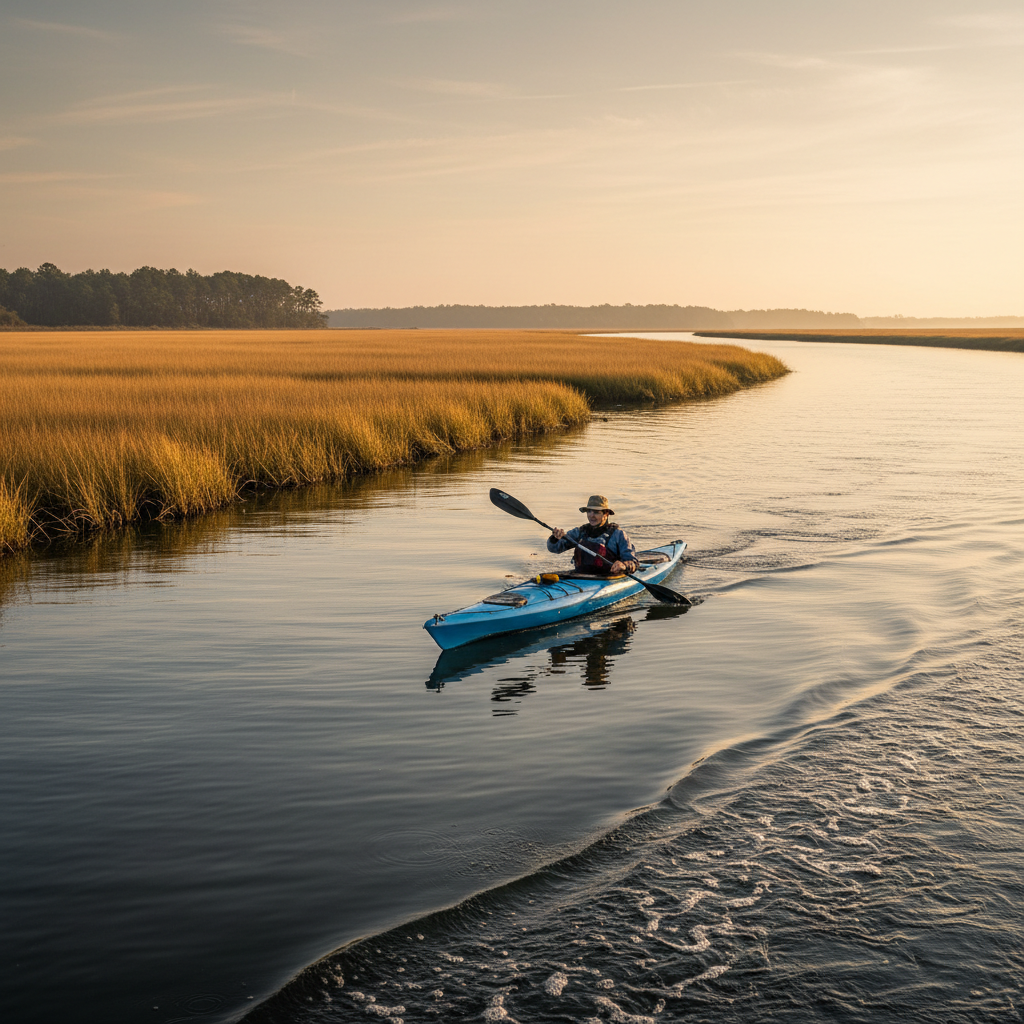
Sample trip plans by scenario (with steps you can follow)
Rather than one “perfect” plan, here are three common calm-water inlet days and how to run them.
Scenario A: short sunset paddle (60–90 minutes)
- Launch at a ramp with easy parking and low-current shoreline.
- Paddle upwind first for 15–25 minutes, turn back with wind assist.
- Stay inside marked no-wake zones where possible.
- Set a hard turn-around time so you’re not finishing in the dark.
Scenario B: half-day exploration (3–4 hours)
- Pick a loop with at least two bailout landings and a “short loop” option.
- Time the narrowest section near slack tide if currents tend to run strong.
- Pack water and a warm layer even if air feels hot, wind on water cools fast.
Scenario C: fitness cruise (steady pace, minimal stops)
- Choose a straight sheltered reach with low boat traffic.
- Hold a conversational pace, you want repeatable effort, not burnout.
- Track distance with a watch or app, but prioritize conditions over numbers.
Quick reference table: decisions that prevent most bad days
If you only keep one thing from this inlet travel kayak guide, keep this table. It’s basically “if X, then do Y,” without pretending every inlet behaves the same.
| Situation | What you’ll notice | Better move |
|---|---|---|
| Wind builds mid-trip | More weathercocking, short chop | Hug protected shore, shorten route, return earlier |
| Current stronger than expected | Slow progress, stern swings in turns | Avoid pinch points, wait for slack if feasible, choose alternate landing |
| Heavy boat traffic | Confused wakes, noisy channel | Cross decisively, move to no-wake areas, paddle off-peak hours |
| Fog/haze | Landmarks disappear, orientation stress | Stay close to shore, use compass/GPS, consider ending early |
| Cold water | Hands numb, higher risk if capsized | Dress for immersion, keep trips shorter, paddle with a partner |
Common mistakes (and what to do instead)
- Relying on one forecast: check wind, tide/current, and local marine statements, then compare with what you see at launch.
- Launching “because the water looks flat”: flat can flip quickly when tide turns, especially near constrictions.
- Overpacking heavy: too much weight high up makes stability worse, pack lighter and lower.
- Ignoring exits: calm trips feel carefree until you need to stop, always keep a few landings in mind.
Also, don’t overcorrect with fear. Many inlets are genuinely pleasant most days, you just want a plan that stays solid when conditions drift off ideal.
When to get help, training, or a guided option
If you regularly paddle inlets, a little structured instruction can remove a lot of uncertainty. Consider extra support when:
- You’re not confident with a wet exit or self-rescue, even in warm water.
- You’re paddling near jetties, bridges, or any area with visibly fast current.
- You’re returning after a long break and your balance or stamina feels unpredictable.
- You have medical concerns that could affect cold exposure or exertion, in that case it’s reasonable to ask a clinician for advice.
According to the American Canoe Association, skills training and safety planning are key parts of risk management for paddlers, especially as conditions and environments become more complex.
Key takeaways and a simple next step
Calm inlet travel is less about toughing it out and more about choosing the day, the route, and the setup that keep the experience easy. A good plan builds in flexibility, not heroics.
Action idea: pick one local inlet, plan a 90-minute out-and-back around a favorable tide, and write down two bailout landings before you launch. That one habit improves almost every future trip.
FAQ
What is the best time of day for calm inlet kayaking?
Early morning is often calmer because winds tend to be lighter, but it varies by region. In some places, evening can be smooth too, just be careful about daylight and visibility.
How do I know if an inlet current is too strong for me?
If you’re working hard but barely moving, or your kayak keeps getting pulled off line near narrow sections, treat that as a signal to change plan. When in doubt, staying farther inside protected water is the safer call.
Do I need a sea kayak for calm water inlets?
Not always. For short sheltered paddles, a recreational kayak can be fine, but for longer crossings, boat wakes, or breezier days, a touring-style boat usually feels more controlled and less tiring.
What should I check besides the weather forecast?
Tide and current predictions matter a lot around inlets. Also check local marine advisories and look at real-time cues at the launch, like wind on flags, whitecaps, or current lines.
Is it safe to kayak near motorboats in an inlet?
It can be, but you need conservative habits: stay visible, cross channels quickly at a right angle, and avoid lingering in traffic lanes. A bright top and predictable movement help.
How far should a beginner paddle in an inlet?
A short route with easy exits is usually better than chasing mileage. Many beginners do well with 1–3 miles total in genuinely sheltered water, then expand as comfort and skills grow.
What’s the biggest planning mistake people make with calm-water trips?
Assuming calm equals safe and skipping an exit plan. Even a simple “if wind rises, we turn back at this point” agreement can prevent stressful decisions mid-water.
If you’re planning your first few outings and want calm-water results with less guesswork, it often helps to start with a local outfitter’s recommended routes or a short guided paddle, then reuse that route template on your own as your confidence builds.