
Religious travel destinations can be deeply moving, but they also come with real decisions: how to pick a site that fits your faith tradition, what “pilgrimage” even looks like in practice, and how to travel respectfully without turning a sacred place into a checklist item.
If you’re traveling from the U.S., the planning can feel bigger than the trip itself, time off work, jet lag, local customs, safety, and the question nobody likes to say out loud: “Will it actually feel spiritual once I get there?” This guide keeps it practical while staying respectful, with a short list of well-known pilgrimage hubs plus planning steps that tend to make the experience smoother.
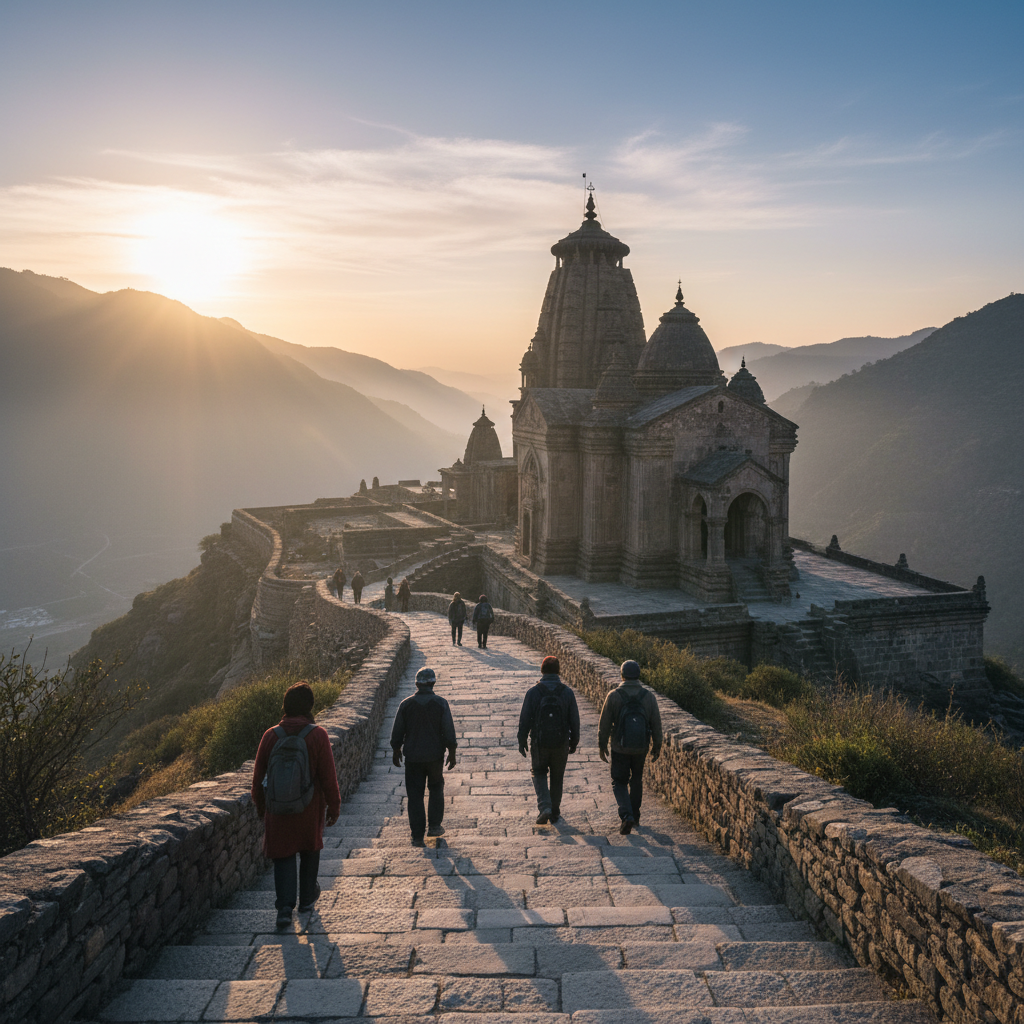
You’ll also see common missteps, like overpacking the itinerary or ignoring local worship schedules. And yes, there’s a comparison table, because sometimes you just need a clear view before you commit.
How to choose the right pilgrimage destination (without overthinking it)
Start with intention, not airfare. Many people pick a place because it’s famous, then feel oddly detached once they arrive. A better filter is: why this place, why now.
- Faith connection: Does the site matter in your tradition, or in your personal story (family roots, conversion, a life event)?
- Travel style: Some trips are highly structured (group tours, fixed routes). Others are quiet and self-led.
- Access needs: Elevation, long walks, heat, and crowds vary a lot. If you have health concerns, it’s wise to ask a clinician for guidance.
- Time window: Holy days can be powerful, but also crowded and expensive. Off-season often feels calmer.
According to UNWTO (World Tourism Organization)... sustainable, community-respectful travel practices help protect cultural and spiritual heritage sites, which matters even more in sacred locations where daily worship continues.
Top sacred religious travel destinations for pilgrimage (by tradition)
This list focuses on globally recognized sites where pilgrims regularly travel, and where visitors from the U.S. typically find workable infrastructure. Local sacred places near home can be just as meaningful, but the logistics differ.
Christian pilgrimage destinations
- Jerusalem (Israel/Palestinian territories): Major sites include the Church of the Holy Sepulchre and the Via Dolorosa. Expect intense crowds around Easter.
- Vatican City (Rome, Italy): St. Peter’s Basilica and Papal audiences are central for many Catholics. Museums are separate from worship spaces, plan accordingly.
- Santiago de Compostela (Spain): The Camino routes suit pilgrims who want days of walking and reflection, not just a single shrine visit.
Islamic pilgrimage destinations
- Mecca (Saudi Arabia): Hajj and Umrah are for Muslims only, with specific requirements and permits. Planning is often through approved channels.
- Medina (Saudi Arabia): A major spiritual stop for many pilgrims after Mecca, with its own etiquette norms.
Jewish pilgrimage and heritage destinations
- Jerusalem: The Western Wall and nearby holy sites are central for many Jewish travelers, especially around major holidays.
- Safed (Tzfat, Israel): Known for Kabbalistic heritage and a quieter spiritual pace compared with Jerusalem.
Hindu pilgrimage destinations
- Varanasi (India): The Ganges River ghats anchor many rituals. It can be emotionally intense and visually overwhelming, prepare for sensory overload.
- Rishikesh & Haridwar (India): Often chosen for yoga, river ceremonies, and as a gentler entry point for first-time India travelers.
Buddhist pilgrimage destinations
- Bodh Gaya (India): Associated with the Buddha’s enlightenment, with monasteries serving different traditions.
- Lumbini (Nepal): Traditionally linked to the Buddha’s birth, calmer than many other major sites.
Other widely visited sacred places
- Golden Temple (Amritsar, India): A major Sikh shrine known for community meals (langar) and strong visitor protocols.
- Mount Kailash region (Tibet Autonomous Region): Sacred across multiple religions, but permits, altitude, and political conditions can complicate plans.
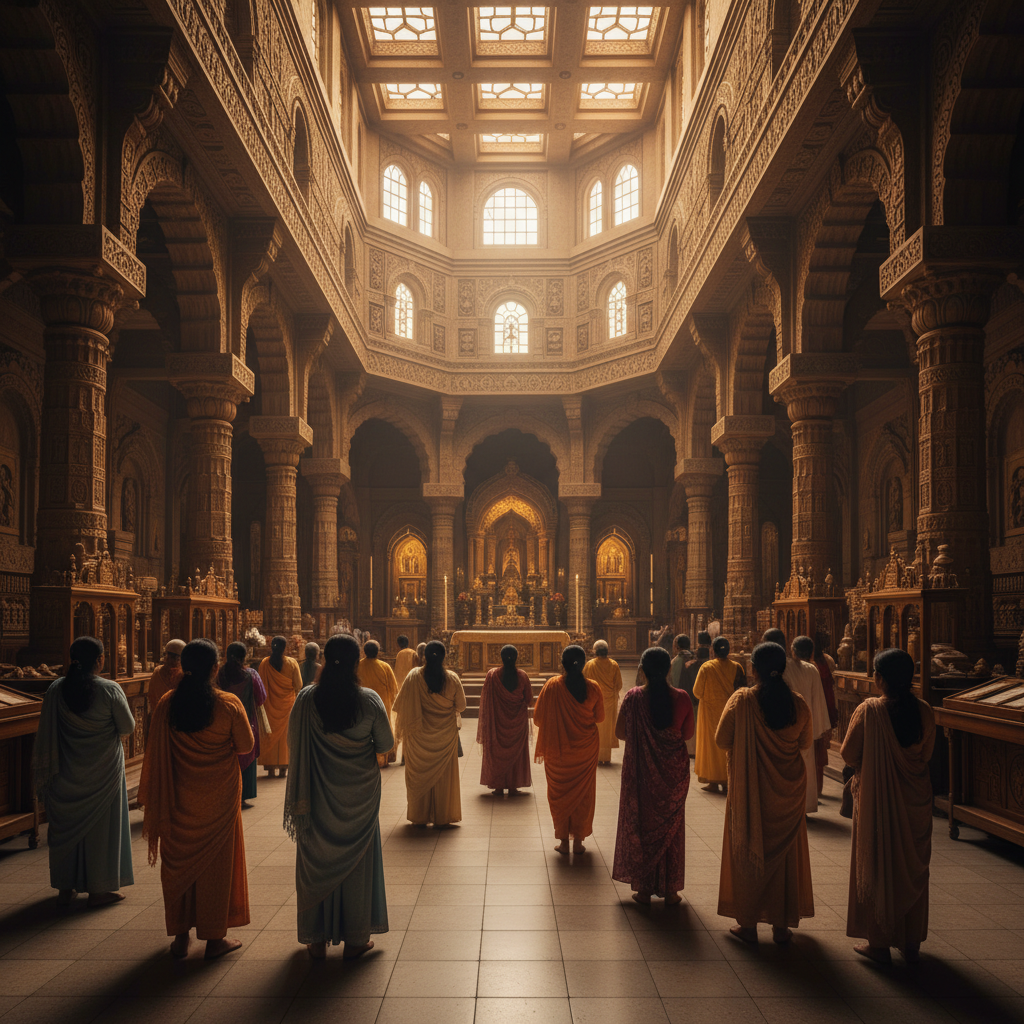
Quick reality check: for several faiths, access rules are strict. Some areas may be limited by religion, gender, or specific times. Treat this as part of the pilgrimage discipline, not an inconvenience to “hack.”
Comparison table: what to expect at popular pilgrimage hubs
These are broad planning signals, not promises. Cost and crowd levels swing widely based on season, geopolitics, and local events.
| Destination | Best for | Typical pace | Crowds | Logistics difficulty |
|---|---|---|---|---|
| Vatican City / Rome | Iconic Christian sites, church history | City-based, day trips | High | Low to medium |
| Jerusalem | Multi-faith sacred sites | Intense, site-to-site | High | Medium |
| Santiago (Camino) | Walking pilgrimage, reflection | Slow, multi-day | Medium (seasonal) | Medium |
| Varanasi | Ritual life, river ceremonies | Immersive, early mornings | High | Medium to high |
| Bodh Gaya | Meditation, Buddhist practice | Quiet, flexible | Medium | Medium |
| Mecca (Hajj/Umrah) | Islamic pilgrimage rites | Structured | Very high (Hajj) | High (permits + rules) |
Self-check: are you planning a spiritual trip or just a busy itinerary?
If you answer “yes” to a few of these, you’re probably on track. If not, your plan may need a reset.
- I can name one clear intention for the trip beyond sightseeing.
- I left unstructured time for prayer, reflection, or services.
- I know the site’s basic etiquette (dress, photography rules, silence zones).
- I’ve checked entry requirements (permits, restricted areas, worship schedules).
- I have a plan for fatigue (heat, walking, elevation), not just a “push through” mindset.
Many travelers underestimate the emotional side, too. Some places feel profound instantly, others feel ordinary until you slow down. That’s normal.
Practical planning steps that usually make pilgrimage travel easier
Build the trip around the sacred rhythm
Look up service times, prayer windows, and closure periods, then plan meals and transit around them. You’re visiting a living religious space, not a museum with extended hours.
Choose lodging with purpose
- Near the site: easier early mornings, less stress, often worth the extra cost.
- Quiet over trendy: nightlife districts can sabotage the reflective tone you want.
- Pilgrim housing: where available, it may be simpler and more aligned with the trip’s intent.
Pack for respect and comfort
- Modest layers (even in hot climates), a scarf or wrap solves many dress-code surprises.
- Comfortable walking shoes, blister care, refillable water bottle.
- A small notebook, many people prefer this over constant photos.
Don’t ignore safety basics
Check official travel guidance and local rules before you go. According to the U.S. Department of State... travelers should review destination-specific advisories and prepare documentation accordingly. If you have medical concerns or travel-related anxiety, a clinician or travel medicine specialist can help you plan realistically.
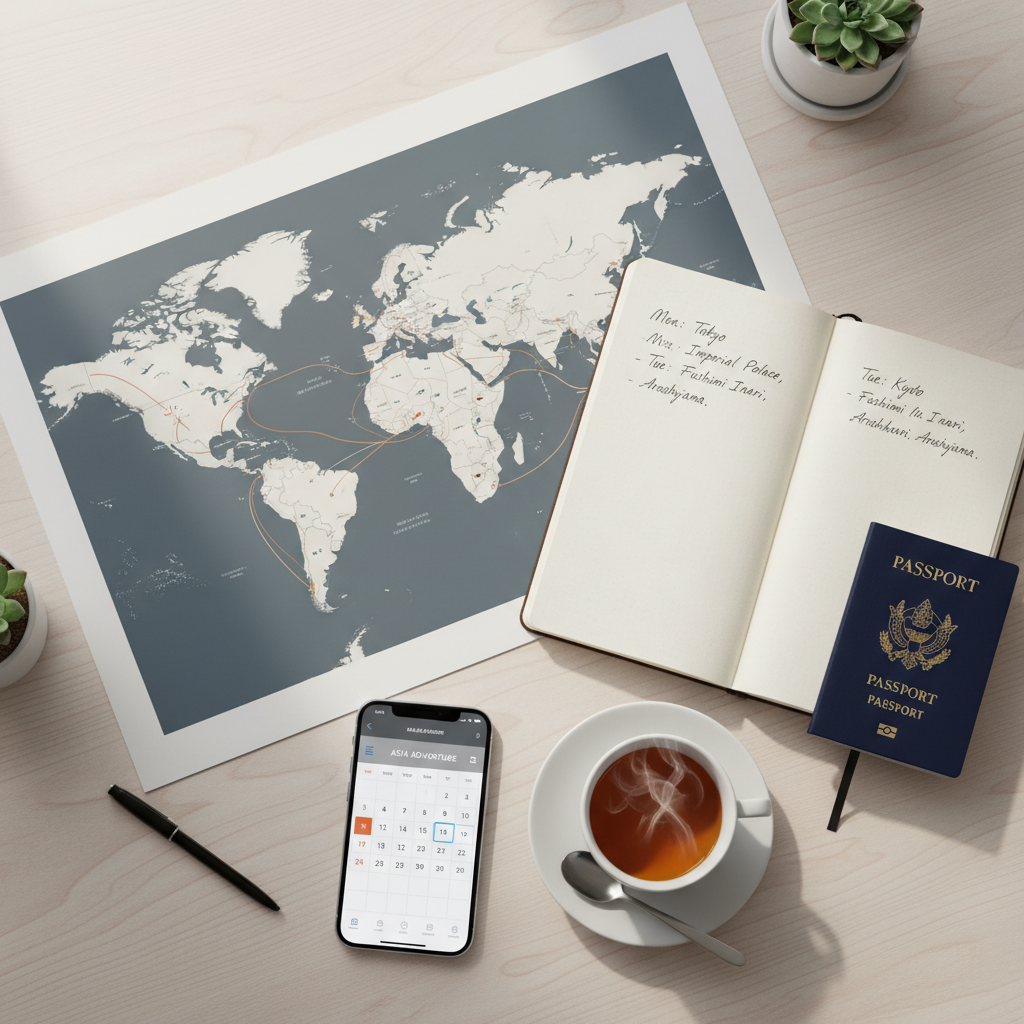
Key takeaways: pick dates around worship rhythm, stay close when possible, pack for modesty and walking, and plan rest like it’s part of the ritual.
Common mistakes (and what to do instead)
- Mistake: treating sacred sites like photo backdrops.
Instead: ask about photography rules, and when allowed, take fewer photos with more intention. - Mistake: cramming three holy cities into five days.
Instead: choose one anchor location, add one optional day trip. - Mistake: copying someone else’s “must-do” list.
Instead: keep one personal practice daily, even if it’s 10 minutes of silence. - Mistake: ignoring local cultural norms outside the shrine.
Instead: act consistently, the taxi line and the market matter too.
When you may need a guide, a group, or professional support
Going solo works for many people, but some situations call for extra structure.
- Complex permits or restricted access (common with certain pilgrimage routes or regions).
- Language barriers where misunderstandings can cause real offense.
- Health or mobility concerns, especially with altitude, extreme heat, or long walking days.
- High-stakes travel seasons (major holy days), where crowd management and logistics are harder.
If you choose a tour, ask who sets the schedule, how much time is spent at worship spaces, and whether the group follows local etiquette. A good operator won’t rush people through a sacred moment just to “keep the day moving.”
Conclusion: make the trip meaningful, not just impressive
Religious travel destinations are at their best when the plan supports the point of the journey, not the other way around. Pick a place that matches your intention, travel at a pace that leaves room for reflection, and treat local customs as part of the sacred experience.
If you want a simple next step, choose one destination, one anchor ritual you’ll do daily, then build the logistics around that, flights and hotels come last.
FAQ
What are the best religious travel destinations for first-time pilgrims?
Places with strong infrastructure often feel easier for a first trip, like Rome/Vatican City or the Camino routes in Spain. If you’re drawn to South Asia sites, going with extra planning time can reduce stress.
How far in advance should I plan a pilgrimage from the U.S.?
For popular seasons, several months is a safer cushion, especially if you need visas, permits, or specific entry slots. For quieter periods, you may have more flexibility, but flights can still jump in price.
How do I avoid being disrespectful at sacred sites?
Dress modestly, follow signage, keep your voice low, and ask before photographing people. When in doubt, copy the posture and pace of worshippers rather than other tourists.
Is it okay to visit pilgrimage sites if I’m not part of that religion?
Often yes, but access rules vary, and some places restrict entry. Approaching with humility, learning basic etiquette, and accepting boundaries usually makes the visit appropriate.
What should I pack for a walking pilgrimage like the Camino?
Comfortable shoes you already broke in, blister care, light layers, rain protection, and a small daypack. Overpacking is the common regret, many pilgrims mail items ahead or buy locally.
Are religious tours worth it, or should I go independently?
Tours help when logistics are complicated or when a knowledgeable guide adds context you’d miss alone. Independent travel can feel more reflective, but it requires more research and self-management.
How can I keep the trip spiritual when traveling with family or friends?
Agree on a short daily quiet window, even 15 minutes, and choose one shared ritual, like attending a service or walking a segment in silence. Shared expectations prevent conflict more than any itinerary tweak.
If you’re planning religious travel destinations and want a more streamlined approach, a curated itinerary with built-in worship times and realistic transit buffers can save energy for the parts that actually matter, the moments you came for.