
Boat tour travel guide planning is mostly about timing, expectations, and picking the operator that matches your vibe, not just clicking the first “sunset cruise” you see.
If you’ve ever overpaid for a crowded boat, ended up on a tour that felt like a floating bar, or realized too late that the “scenic” route was basically an industrial harbor, you already know why this matters. Coastal cities can be magic from the water, but the wrong tour turns it into a long, windy hour of regret.
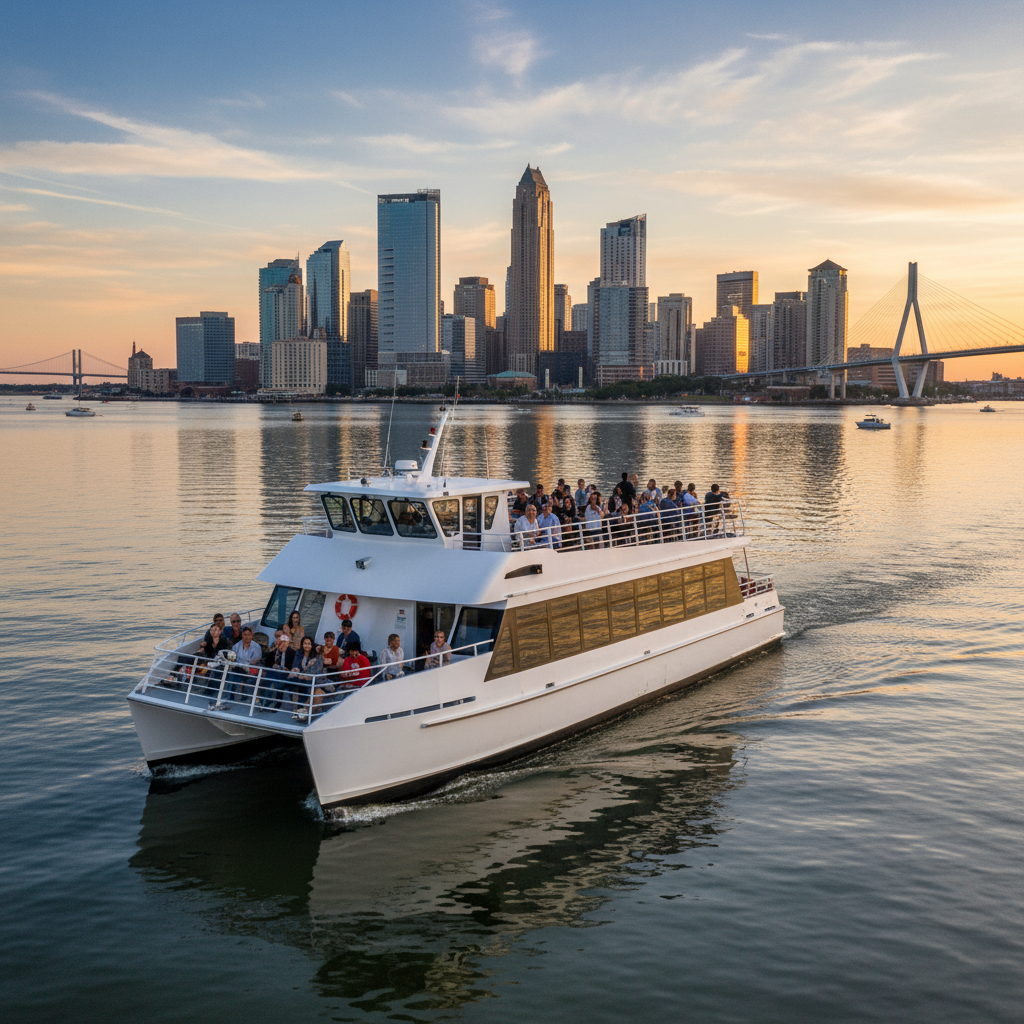
This guide focuses on the practical calls that actually change your experience: which tour type fits your day, what questions to ask before you book, how to dress for wind and spray, and what to do when weather or seasickness becomes a concern.
Choose the tour style that matches your goal (not the ad copy)
Most coastal-city boat trips fall into a few buckets, and your satisfaction usually depends on choosing the right bucket. The same city can offer a quiet nature cruise and a party cruise that share a dock, that’s where people get surprised.
- Harbor sightseeing: Short, stable routes, lots of narration, great for first-timers and families.
- Sunset or dinner cruise: More “experience” than “education,” often romantic, sometimes loud depending on operator.
- Wildlife/nature tour: Focus on whales, dolphins, birds, marshes; weather and sightings vary.
- Speedboat/adventure ride: Fast, splashy, fun, but not ideal if you want photos or calm water.
- Private charter: Higher cost, more control over route, great for groups or proposals.
Quick rule: if your priority is photos and scenery, avoid anything that heavily emphasizes “unlimited drinks” or “DJ,” unless that’s genuinely what you want.
A quick decision table: what to book based on your day
Use this as a shortcut before you compare listings. It’s not perfect, but it keeps you from booking a mismatch.
| Situation | Best-fit option | Why it works |
|---|---|---|
| First time in the city, limited time | 60–90 min harbor sightseeing | Efficient highlights, easier boarding, usually calmer water |
| Traveling with kids or older adults | Larger vessel, daytime route | More shade, bathrooms, steadier ride |
| You want iconic skyline shots | Golden hour cruise (before sunset) | Better light, less harsh contrast than midday |
| You get motion sickness easily | Inlet/harbor routes, bigger boats | Less rolling, smoother path than open ocean |
| Celebration with friends | Sunset cruise or private charter | More social pacing, less “sit and listen” |
How to vet an operator in 5 minutes (before you pay)
In many cities, tours look similar on booking platforms. The differences that matter hide in policies and logistics. A solid boat tour travel guide approach is to screen for deal-breakers first.
- Route clarity: Do they describe where you actually go, or just promise “breathtaking views”?
- Vessel details: Enclosed cabin vs open deck, bathroom availability, shaded seating.
- Group size: “Intimate” can mean 12 people or 48, ask or check photos.
- Weather policy: Refund, reschedule, or “credit only” if conditions change.
- Accessibility: Step-free boarding, wheelchair guidance, and staff support if needed.
- Safety basics: Clear check-in instructions, professional crew presence in photos, life jacket info.
According to the U.S. Coast Guard, wearing a life jacket is one of the simplest ways to reduce drowning risk on the water. On most commercial tours, life jackets are available and required in specific situations, if you have concerns, ask the operator what they recommend for your group.
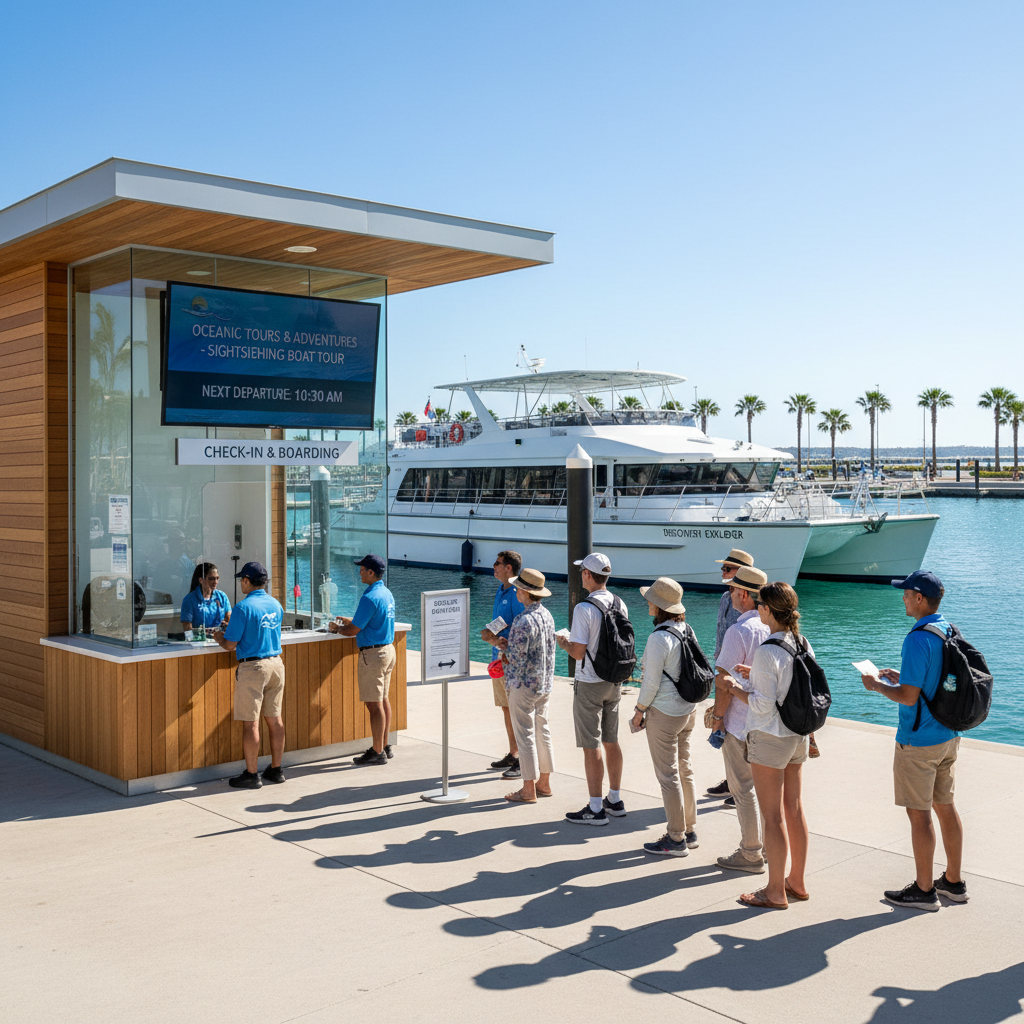
One more thing people skip: the departure dock location. In big coastal cities, getting to the marina can take longer than expected, and parking can be its own mini mission.
What to wear and pack (wind and spray change everything)
Coastal tours tend to feel colder on the water than on land, even in summer. Wind plus shade can surprise you, and “light drizzle” on a forecast sometimes turns into sideways mist offshore.
Smart packing list
- Light jacket or windbreaker: Even if it’s warm downtown.
- Sunglasses with a strap: Wind steals them fast.
- Sunscreen: Reflection off water adds up.
- Closed-toe shoes: Better grip on wet decks.
- Water bottle: Dehydration sneaks up in sun and wind.
- Motion sickness support: If you’re prone, consider discussing options with a pharmacist or clinician.
Leave the “cute but fragile” items at the hotel. Salt spray and phone screens do not get along, and neither do loose hats.
Booking strategy: timing, pricing, and where people get burned
Most travelers either book too late and settle, or book too early without understanding the route. A balanced move is to shortlist two operators, then book when you know your weather window and energy level.
- Best time for photos: Morning for clarity, golden hour for warm light, midday tends to be harsh.
- Weekday vs weekend: Weekdays often feel less crowded, weekends fill faster.
- Read cancellation terms: Look for refunds vs credits, and cutoffs for changes.
- Boarding time: Many tours require arriving 20–45 minutes early, missing it can mean losing the ticket.
Pricing varies by city and season. If a deal looks wildly cheaper than everything else nearby, double-check what’s included, some listings exclude taxes, port fees, or even basic seating categories.
On-the-boat tips for a better ride (and better photos)
This is the part nobody tells you until you’re already on board. Small choices affect comfort a lot.
- Pick your side: Ask staff which side faces the skyline or key landmarks on that route.
- Stability matters: Mid-ship tends to feel steadier than the bow on choppy days.
- Audio plan: If narration matters, get closer to speakers or choose tours with headsets.
- Photo settings: Faster shutter helps on moving boats, wipe lens often for salt mist.
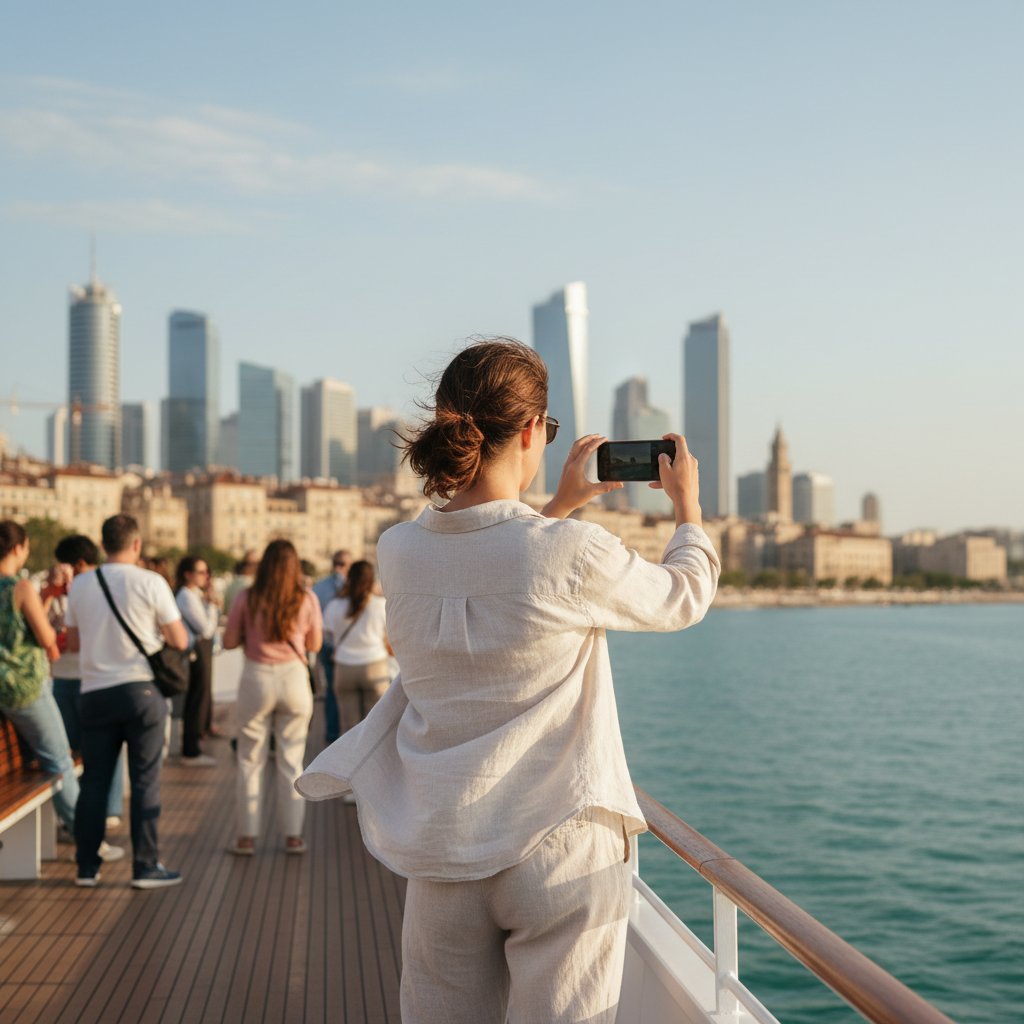
If you’re traveling with someone who gets anxious on boats, tell crew early. Most operators can suggest the calmest seating area and help you plan bathroom breaks or fresh-air moments.
Safety, seasickness, and weather: realistic expectations
Even a well-reviewed tour can feel rough if conditions shift. And seasickness is not a character flaw, it’s a mismatch between your inner ear and motion, and it can happen to anyone.
- Check marine conditions: Wind and wave forecasts matter more than temperature.
- Eat lightly: An empty stomach or a heavy greasy meal can both backfire, many people do best with something plain.
- Stay hydrated: Heat plus wind can drain you faster than you expect.
- Know your limits: If you’re pregnant, have balance disorders, or certain medical conditions, it may be worth asking a clinician what’s appropriate.
According to the National Weather Service, marine forecasts can change quickly and conditions on the water may differ from what you feel on land. If an operator cancels for safety, it’s usually frustrating but reasonable, and rescheduling often saves the day.
Key takeaways (save this before you book)
- Match the tour type to your goal, not the prettiest listing photos.
- Route and vessel details matter more than small price differences.
- Dress for wind, even in warm coastal cities.
- Golden hour is usually the easiest win for photos and mood.
- Plan for weather, and treat cancellation policies like part of the product.
Conclusion: book the boat trip you actually want
A good coastal outing isn’t about finding a “perfect” tour, it’s about choosing the right fit, then showing up prepared. Use this boat tour travel guide mindset, screen for route, comfort, and policies, pack for wind, and aim for the time of day that matches your priorities.
If you want one action step, shortlist two operators today and compare their route description and cancellation terms side by side. That small homework step usually prevents the biggest disappointments.
FAQ
What is the best time of day for a scenic boat tour in a coastal city?
Golden hour tends to deliver the most flattering light and calmer vibes, but morning can be clearer for distant views. Midday works if you care less about photos and more about narration.
How early should I arrive for a boat tour?
Many operators recommend 20–45 minutes early, especially in busy marinas with parking lines and security checks. If the ticket terms say “no refunds for late arrival,” take it literally.
Are boat tours safe for kids?
Many are family-friendly, especially larger harbor sightseeing boats with bathrooms and shaded seating. Ask about life jacket sizing, seating options, and whether strollers are allowed onboard.
Which boat tour is best if I get seasick?
Look for bigger boats and routes that stay inside bays or harbors. If you’re unsure, call and ask which trips avoid open water; staff usually know which departures feel rough in typical conditions.
Do I need to tip on a boat tour in the US?
It depends on the operator and whether food or bar service is involved. Many travelers tip crew similarly to other service settings, and some cruises include a service charge, check your receipt to avoid double tipping.
What should I wear on a sunset cruise?
Dress for wind first, then style. A light jacket, closed-toe shoes, and something you can layer makes the difference between enjoying the view and spending the ride feeling cold.
Is it better to book directly or through a travel platform?
Platforms can be convenient for comparison, but direct booking sometimes gives clearer policies or easier changes. Either way, read the operator’s cancellation terms and confirm the exact departure dock.
If you want a simpler way to plan
If you’re trying to pick a cruise quickly, especially in a new coastal city, it can help to share your dates, group size, and priorities so someone can narrow options to a couple of realistic matches, the goal is less browsing and fewer surprises at the dock.