
Snowboard travel tips beginners usually come down to one thing: remove surprises before they show up at the airport, the rental shop, or your first chairlift. Your first snowboard trip is fun, but it also has a lot of small moving pieces that can turn into stress fast.
What most first-timers underestimate is how travel logistics affect your riding, if you arrive late, miss a lesson slot, or get stuck with boots that don’t fit, your “first day on snow” can become a long day of frustration. A little planning keeps the trip light and lets you focus on learning.
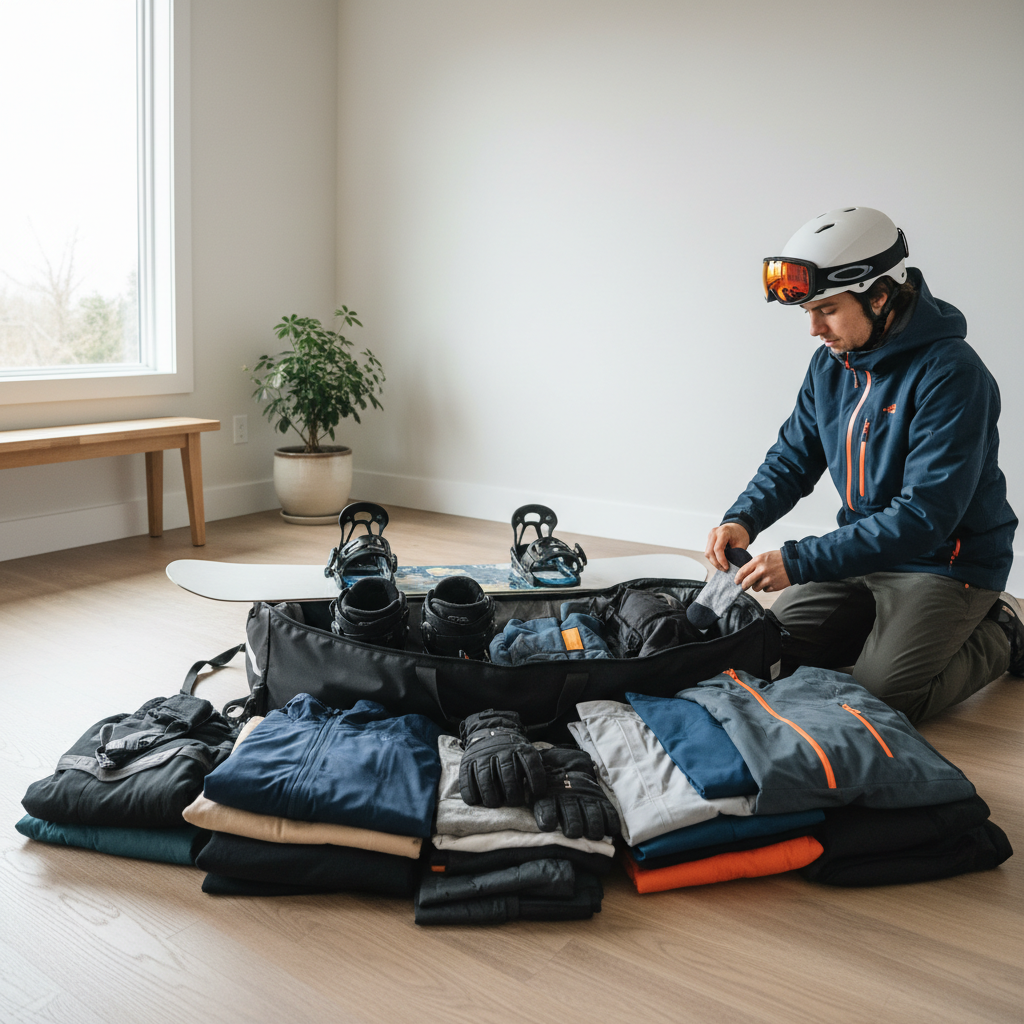
This guide focuses on the practical decisions that matter most for beginners: choosing a resort that won’t overwhelm you, packing without overpacking, keeping gear safe in transit, and setting up your first two days so you actually progress.
Pick a resort that makes learning easy
For a first trip, the “best” mountain is rarely the biggest one, it’s the one where you can repeat easy terrain without feeling rushed or out of place. If your goal is to learn, you want simple access to beginner lifts, clear signage, and a base area that doesn’t feel like an obstacle course.
- Look for true beginner zones: wide green runs, magic carpet areas, and lifts that serve greens without forcing you onto steeper blues.
- Prioritize lesson infrastructure: lots of lesson times, a dedicated ski school building, and beginner-friendly meeting spots.
- Think about altitude and weather: higher elevation can feel rough if you’re not used to it, and wind-prone peaks can shut lifts down.
- Minimize transit friction: direct flights, short drives, and reliable shuttles matter more than people admit.
According to the National Ski Areas Association (NSAA)… ski areas emphasize skier and rider responsibility education at resorts, so you’ll commonly see posted responsibility codes and signage designed to guide safe behavior on snow. That’s a plus for beginners, but you still want a layout that keeps you out of “accidentally ended up on a blue” situations.
Book the “boring” stuff early (it protects your budget)
Beginners often focus on the board and forget that the most expensive mistakes are usually timing mistakes, booking late, buying day-of, or missing the right lesson slot. If you’re trying to keep costs predictable, lock down the basics early.
What to book first
- Lodging close to the beginner area or shuttle route, saving energy matters when you’re learning.
- Lift tickets, many resorts price higher at the window, policies vary by resort.
- Lessons, group lessons for day one are often worth it, even if you’re “athletic.”
- Rentals, reserve online so you don’t lose half a morning in a line.
If you’re traveling with friends who already ride, be honest about your pace. It’s common for beginners to feel pressured to keep up, then skip the lesson, then plateau. That pattern is avoidable.
Pack like a beginner who wants fewer problems
When people ask for snowboard travel tips beginners can actually use, packing is where the advice gets real. You don’t need every gadget, you need the items that prevent cold hands, wet layers, and gear failures that end your day early.
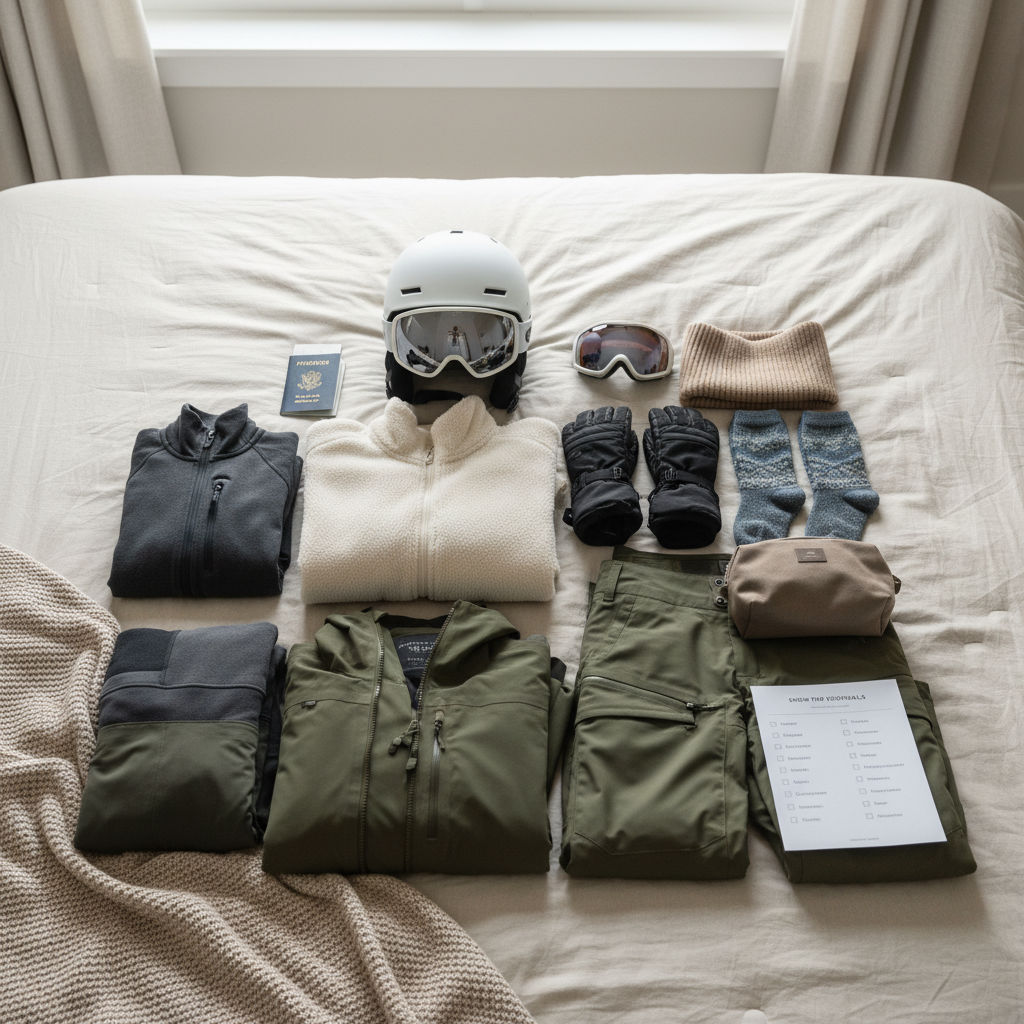
Beginner packing checklist (carry-on vs checked)
| Item | Carry-on (recommended) | Checked bag / board bag |
|---|---|---|
| Goggles | Yes (fragile, trip-saving) | No (unless well-protected) |
| Helmet | Often yes (prevents damage) | Ok if padded |
| Base layers + warm socks | Yes (in case checked bag is delayed) | Yes |
| Gloves/mittens + hand warmers | Yes | Yes |
| Outerwear (jacket/pants) | One set if space allows | Yes |
| Boots (if you own them) | Strongly recommended | Risky if lost/delayed |
| Tools, wax, liquids | No (security rules vary) | Yes |
Key layers that keep you comfortable
- Base layer: moisture-wicking, not cotton, cotton stays wet and feels colder.
- Midlayer: fleece or light puffy, easy to remove when you warm up.
- Shell: waterproof jacket and pants, this is what keeps snow out when you fall a lot, and you will.
One packing rule that saves beginners: bring two pairs of gloves or mittens if you can. Wet hands can end a day faster than sore legs.
Flying with a snowboard: keep it simple and protected
If you’re bringing your own board, your goal is not “perfect packing,” it’s reducing damage risk and making check-in straightforward. Airline and TSA rules can vary, so verify your carrier’s current policy before you fly.
- Use a padded board bag, wheel bags are worth it if you’re walking through airports.
- Loosen binding screws slightly if you’re worried about pressure and vibration, not mandatory, but common practice.
- Pad the nose and tail with clothing, those are common impact points.
- Remove or protect sharp edges so they don’t chew through the bag lining.
- Pack a luggage tracker if you already use one, it can reduce anxiety during connections.
Many snowboard travel tips beginners ignore: if you don’t own boots yet, renting everything is totally fine. But if you do own boots and they fit well, consider carrying them on, boot fit affects comfort and learning more than board choice.
Renting vs bringing gear: a quick decision guide
There’s no universal “right” answer, it depends on how often you plan to ride, how easy your travel route is, and how much you dislike carrying bags. Here’s a practical way to decide without overthinking it.
- Rent everything if this might be your only trip this season, or you’re unsure about sizes and preferences.
- Bring boots, rent board if you already have comfortable boots and want lighter travel.
- Bring full setup if you ride enough that your own gear feels familiar and your airline policy makes sense.
What beginners often miss is the time factor. Rentals take time at peak hours, so if your schedule is tight, reserving and picking up the night before is usually the calmer move.
Your first 48 hours: a beginner-friendly plan that works
Even great planning can fall apart if your first day is too ambitious. A simple itinerary helps your body adapt, and it keeps morale high when you’re learning a new sport.
Arrival day: check in, pick up rentals, confirm lesson time and meeting spot, eat a real dinner, and hydrate. If you’re coming from sea level to a high-elevation resort, take it easy, headaches and poor sleep can happen, and if symptoms feel severe, it’s smart to ask a medical professional.
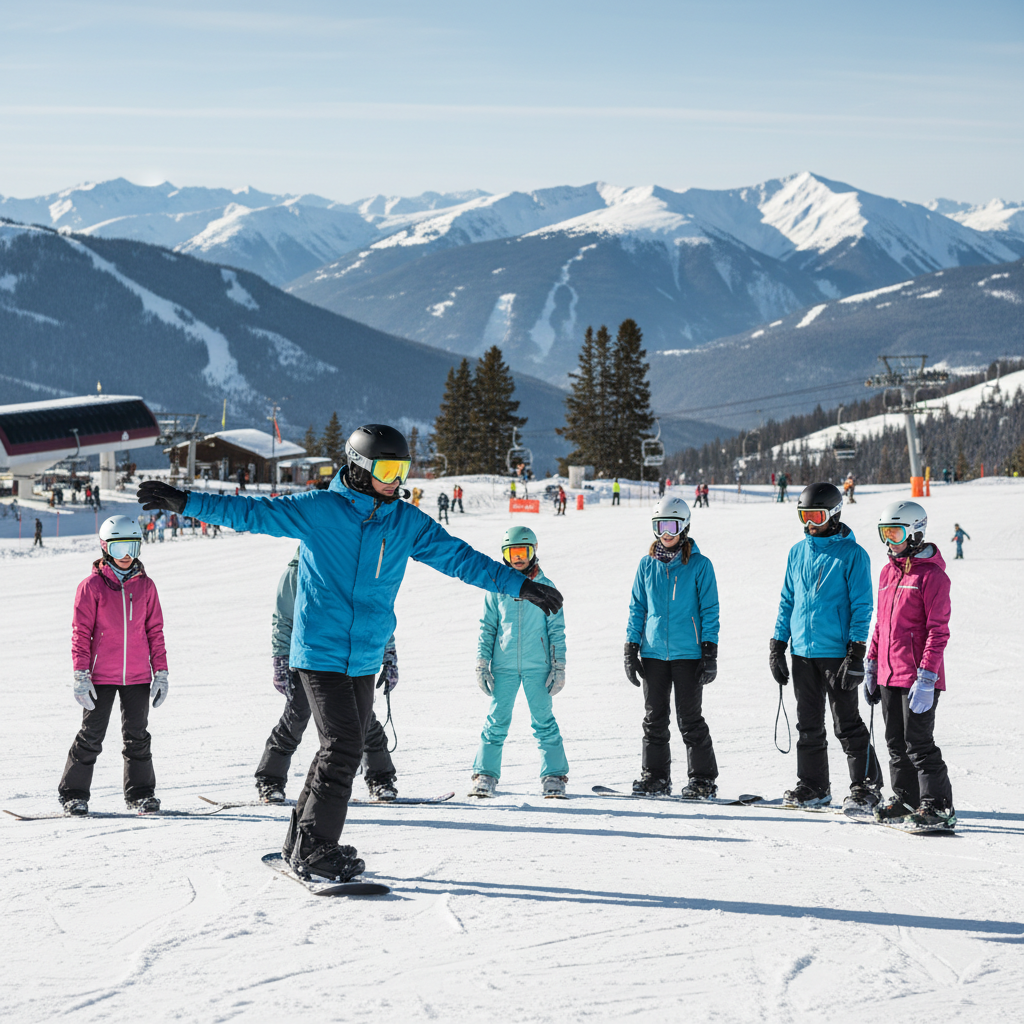
Day 1: take a lesson, even a half-day can save you days of trial-and-error. Aim for lots of short runs, and stop before you’re wrecked. Most injuries happen when people push through fatigue.
Day 2: repeat greens, refine braking and turning, then add one small stretch goal, like linking turns on a slightly steeper green. Progress tends to feel “lumpy,” you’ll struggle, then something clicks.
Safety and etiquette that actually matters for beginners
Snowboarding has a learning curve, and beginners fall a lot. The point isn’t to be fearless, it’s to be predictable and aware so you don’t create a hazard for yourself or others.
- Know where you are stopping: avoid stopping below rollers or where uphill riders can’t see you.
- Control your speed: if you can’t stop reliably, stay on easier terrain, no shame in that.
- Wear a helmet: it may reduce risk of certain head injuries, fit matters, ask the shop if unsure.
- Protect your wrists: beginners often land on hands, wrist guards may help, ask an instructor if you’re unsure.
According to the National Ski Areas Association (NSAA)… resorts promote the Responsibility Code, which is essentially the “rules of the road” on snow. Read it at the base, then ride like someone else might do something unpredictable, because sometimes they do.
Practical, on-the-ground tips that save your day
This is the part most “travel” articles skip, but it’s what makes your trip feel easy.
- Set a meetup point with friends that’s not “by the lift,” base areas get chaotic.
- Eat earlier than you think, hunger turns into fatigue fast, especially in cold weather.
- Dry gear nightly, pull liners out if possible, wet boots on day two feels miserable.
- Plan one non-riding option, hot springs, a walk, or just a chill afternoon helps recovery.
Key takeaways: pick a beginner-friendly resort layout, reserve lessons and rentals early, carry on the items that would ruin day one if lost, and keep your first two days simple so learning stays fun.
Wrap-up: make your first trip smooth, not “epic”
Most first-timer stress comes from avoidable friction, long lines, wrong layers, gear delays, and ambitious plans. If you treat your first snowboard trip like a learning trip, you’ll ride more, fall less, and go home wanting another weekend on snow.
If you do one thing today, make it this: choose your resort and book a lesson, then build the rest of your plan around that. It’s the fastest way to turn snowboard travel tips beginners read online into a trip that actually feels good.
FAQ
What are the most important snowboard travel tips beginners should follow?
Keep your plan simple: book lessons early, reserve rentals, and pack for warmth and dryness. Your comfort and schedule matter more than fancy gear.
Should I rent or bring my snowboard on my first trip?
If you’re not riding often, renting is usually easier. If you own well-fitting boots, bringing boots while renting a board is a solid middle option for many beginners.
How do I avoid wasting half my first day in rental lines?
Reserve online, then pick up gear the evening you arrive if the shop allows it. Also show up earlier than you think on weekend mornings.
What should I pack in my carry-on for a snowboard trip?
Goggles, gloves, base layers, and anything you can’t easily replace at the resort without overpaying. If you own boots, they’re worth carrying on because fit is personal.
How many days do beginners need to enjoy a snowboard trip?
Two days can be fun, but three days often feels better for learning because day one is usually spent getting comfortable. Fitness, conditions, and lesson quality change the experience.
Is it normal to feel exhausted or short of breath at a high-elevation resort?
It can happen, especially if you fly in from lower altitude. Take it slow, hydrate, and rest, and if symptoms feel intense or unusual, consider asking a clinician for advice.
What’s the biggest beginner mistake on a snowboard vacation?
Skipping a lesson because you’re with experienced friends. Many people progress faster with even one structured session, then they can ride with friends more comfortably.
Do I need travel insurance for a snowboard trip?
It depends on your risk tolerance and what you already have through credit cards or health plans. Read exclusions carefully, winter sports coverage varies by policy.
If you’re planning your first trip and want a more streamlined setup, a simple approach is to choose one beginner-friendly resort, book a lesson block, and build a packing list around staying warm and dry, it’s not flashy, but it consistently makes first trips feel easier.