
Street art travel destinations can feel overwhelming because the “best” cities depend on what you actually want: legal murals and museum-adjacent districts, raw political pieces, or neighborhood art that changes every few weeks. This guide narrows the choices in a practical way, so you can plan days that are visually rewarding without stumbling into spots that are overhyped or uncomfortable to visit.
Street art is also one of the fastest ways to understand a place, you see local humor, social issues, and design trends without needing a ticket or a long explanation. But that same spontaneity comes with tradeoffs: walls repaint, neighborhoods shift, and not every Instagram-famous alley is worth building a whole afternoon around.
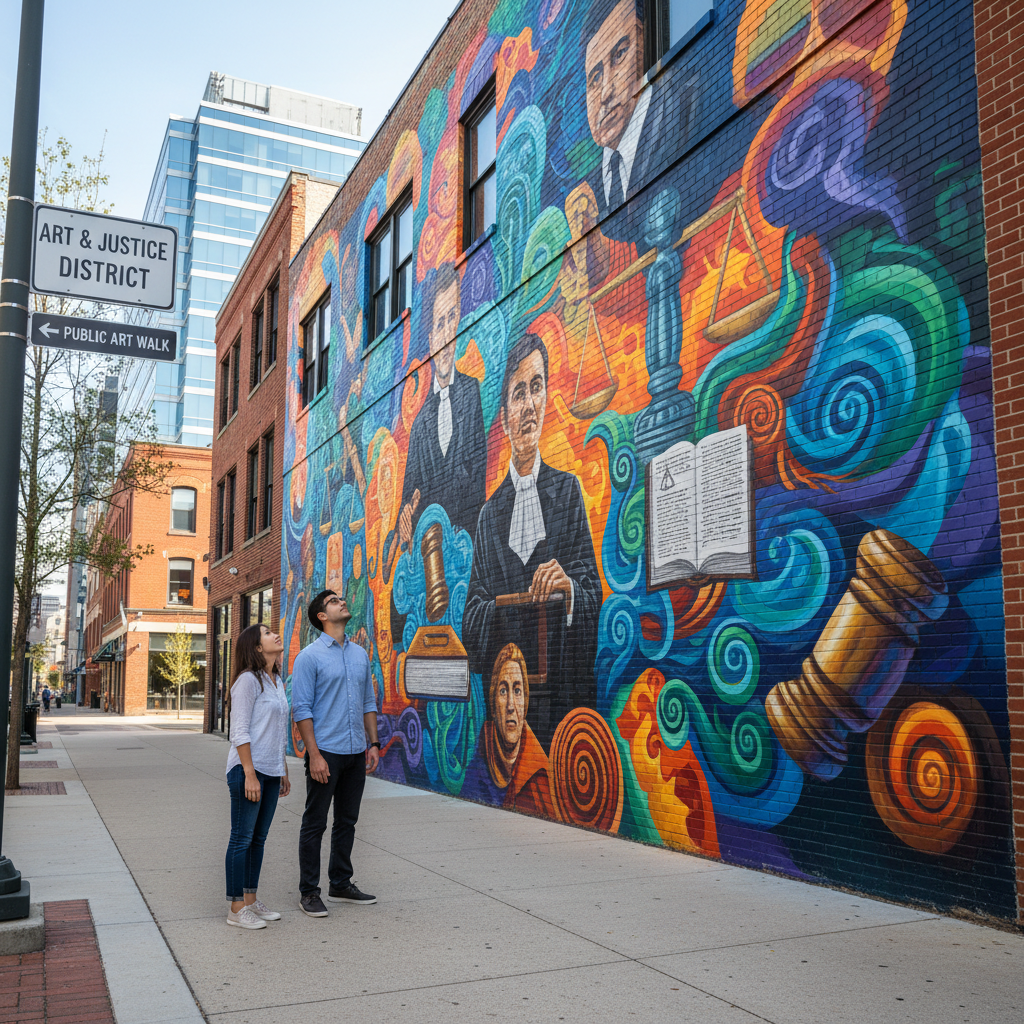
I’ll focus on destinations that tend to offer both impact and context, plus the real-world details that matter, like how to find murals that still exist, when tours are worth paying for, and how to be a good guest in living neighborhoods.
How to choose the right street art city (before you book flights)
Picking street art travel destinations works better when you match the city to your style of looking. Some people want a curated, safe, “open-air museum” feel, others want messy, constantly changing streets where the point is the change.
- If you want curated murals: look for cities with formal mural programs, festivals, and public arts funding, they usually mean higher hit-rate and clearer legal norms.
- If you want active graffiti culture: you’ll need flexibility, pieces may disappear fast, and you’ll do better with local guidance.
- If you want history + context: prioritize places where street art connects to politics, migration, labor, or music scenes, then add a museum day to ground the story.
According to UNESCO, intangible cultural heritage includes living practices and expressions that communities pass down, street art isn’t always framed that way, but the “living culture” lens is a helpful mindset when you visit neighborhoods where art and daily life share the same walls.
High-impact street art travel destinations (and what each does best)
These cities come up again and again for a reason, but they’re not interchangeable. Use the “best for” angle to avoid building a trip around the wrong expectation.
Berlin, Germany
Berlin is strong for politically charged murals, post-wall history, and a wide range of styles, from massive commissions to fast-moving paste-ups. It’s also a place where context matters, a guided walk can add a lot if you’re not familiar with the city’s layers.
Lisbon, Portugal
Lisbon often surprises people because the mural quality is consistently high, and many works sit naturally inside everyday neighborhoods. If you like design-forward pieces, color, and good city views between stops, it’s an easy win.
Mexico City, Mexico
Mexico City can be excellent for big visual statements and neighborhood-scale exploration, but it’s also huge, so planning matters. You’ll get more from it by choosing two or three areas rather than trying to “see it all.”
Buenos Aires, Argentina
Buenos Aires tends to deliver both quantity and narrative, many murals carry social commentary, and there’s a strong tradition of public visual culture. Tours can be useful here because blocks change quickly.
London, UK
London is often better as “street art plus everything else,” rather than a pure mural trip. Some areas reward early mornings and weekday walks, when streets feel calmer and photos are easier.
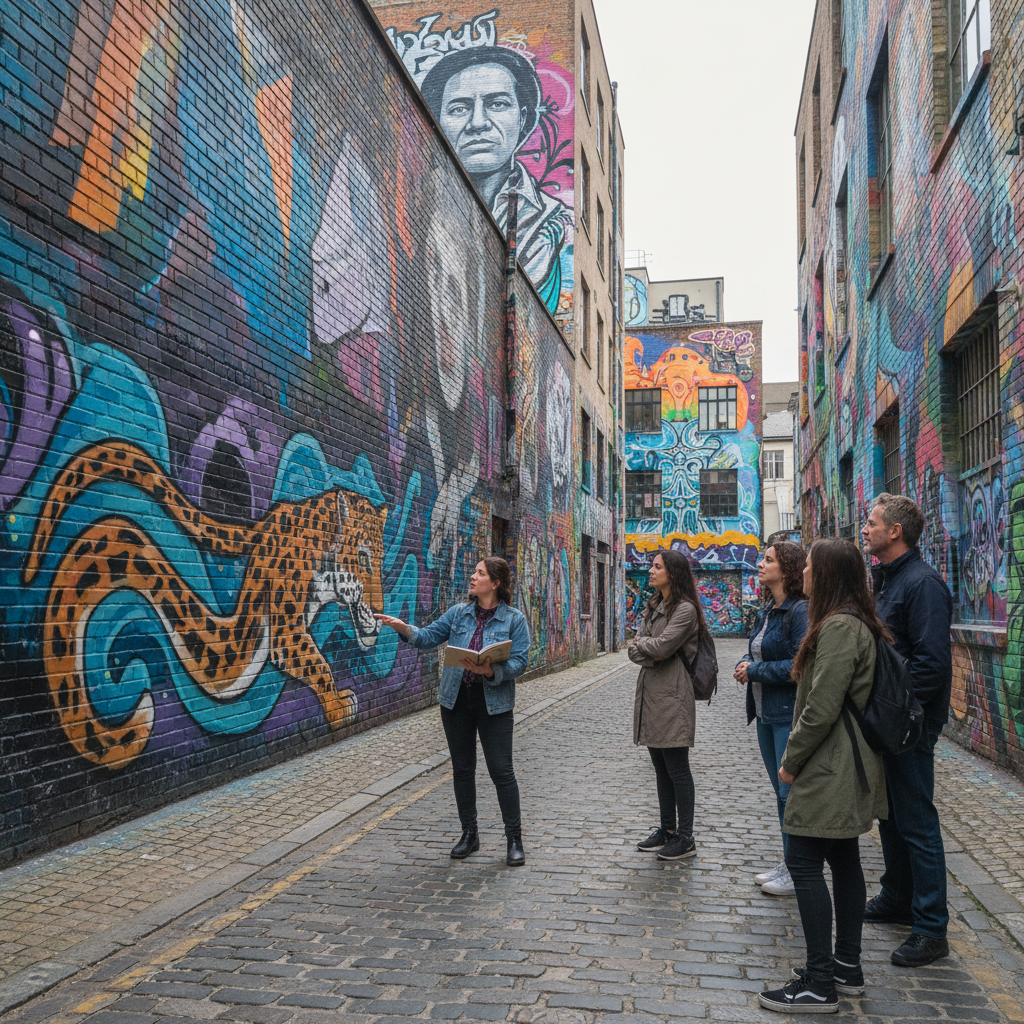
Quick comparison table: plan smarter in 30 seconds
This is not a ranking, it’s a planning shortcut. Your “best” street art travel destination is the one that fits your time, pace, and comfort level.
| Destination | Best for | Trip style | Watch-outs |
|---|---|---|---|
| Berlin | Political murals, history-driven viewing | 3–5 days with walking + transit | Some famous spots rotate fast |
| Lisbon | Curated murals, design-forward pieces | Long walks, photo-friendly routes | Hills can slow your pace |
| Mexico City | Big statements, neighborhood variety | Area-by-area planning | Distances, choose zones carefully |
| Buenos Aires | Narrative murals, local scene energy | Tour + self-guided mix | Walls change, verify recent info |
| London | Street art add-on to a classic trip | Short sessions, early mornings | Crowds in famous areas |
Self-check: are you planning like a tourist, or like a respectful visitor?
This sounds preachy, but it saves you from awkward moments. Street art often sits in residential or working areas, so your “art day” overlaps with someone else’s commute, school run, or storefront business.
- You know whether the area is primarily residential or a designated arts district.
- You can name two nearby anchors (a market, museum, park) so your route isn’t one long detour.
- You have a plan for bathrooms, water, and shade, long mural walks fail for boring reasons.
- You’re okay with the idea that half your saved pins may be gone, and that’s normal.
- You’re not treating private homes like a set, no leaning on doors, no loud group poses in front of windows.
According to the U.S. Department of State, travelers should review destination-specific safety information before going abroad, it’s a simple step that helps you understand neighborhood-level considerations without guessing.
Practical itinerary ideas (2 days, 4 days, and “add-on” mode)
People often overpack their route, then end up speed-walking murals with zero time to look. Try one of these pacing models, then adjust for your city.
Two-day street art focus
- Day 1: one mural-heavy neighborhood in the morning, museum or gallery in the afternoon, casual second loop at golden hour.
- Day 2: guided tour or second neighborhood, then a food market stop to keep the day grounded in local life.
Four-day culture trip with strong street art
- Day 1: orientation walk plus one major district
- Day 2: history or contemporary art museum day for context
- Day 3: second street art zone, slower pace, coffee breaks, photos
- Day 4: day trip or architecture route, then revisit favorites
Add-on mode (when street art isn’t the main goal)
- Pick one neighborhood, set a 90-minute window, and leave yourself wanting more.
- Book an early tour, then keep your afternoon open.
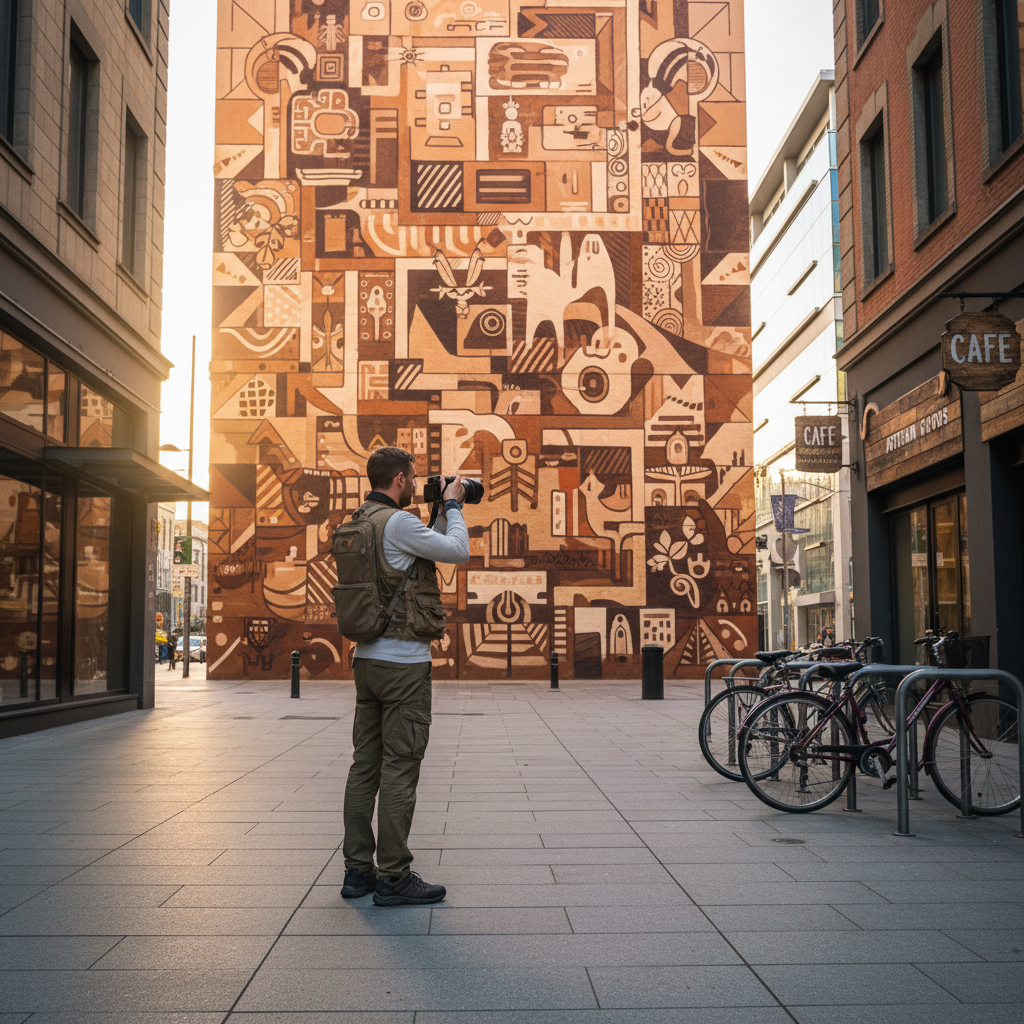
How to find murals that still exist (and avoid wasted detours)
The hardest part of street art travel destinations is that guides get outdated fast. A wall that was iconic two years ago might be buffed, painted over, or moved behind scaffolding.
- Check the date on photos when using maps and blogs, if you can’t find anything recent, assume change.
- Use local signals like neighborhood arts organizations, festival pages, and museum outreach programs.
- Save clusters, not single pins, plan by blocks so one missing mural doesn’t kill the whole stop.
- Ask your hotel or café staff for “recent murals nearby,” you often get a fresher answer than the internet.
For many cities, paying for a guide makes sense when you want context, when you only have a half-day, or when the best pieces are scattered and hard to find alone.
Safety, legality, and common mistakes people don’t notice
Street art sits close to gray areas, and travelers sometimes confuse “public” with “anything goes.” If you’re unsure, take the conservative route, it’s rarely worth pushing boundaries for a photo.
- Don’t trespass for a shot, even if you see others doing it.
- Be cautious at night, some mural areas are fine after dark, others aren’t, and conditions change by block.
- Skip flash photography in residential streets, it draws the wrong kind of attention and annoys people.
- Don’t touch wet paste-ups or fresh paint, obvious, but it happens.
Health-wise, long urban walks can be deceptively tiring, hydration and comfortable footwear usually matter more than people expect, and if you have a medical concern, it’s sensible to ask a clinician before a high-mileage itinerary.
Key takeaways to keep your trip culture-first
- Choose by style, curated murals and fast-changing graffiti reward different planning.
- Plan in clusters so missing pieces don’t waste your day.
- Pair street art with context, one museum or history stop makes the walls “readable.”
- Respect neighborhoods, your photos should not make someone’s home feel like a backdrop.
Wrap-up: make the walls part of the culture, not a checklist
Street art travel destinations are most rewarding when you slow down enough to notice what the city is saying, not just what it’s showing. Pick one or two neighborhoods, add a little context, and leave room for surprises, that’s usually where the best pieces of the trip land.
If you want an easy next step, choose one city from the list, block off one morning for a mural walk, and book one cultural anchor nearby, a museum, market, or historic site, so the day feels like a complete story.
FAQ
What are the best street art travel destinations for first-timers?
Many first-timers enjoy cities with strong mural districts and clear visitor infrastructure, places like Berlin or Lisbon often feel approachable because you can see a lot on foot and still get context through museums or guided walks.
How do I find legal murals versus illegal tags while traveling?
You usually can’t tell with certainty just by looking, but curated mural programs, festival walls, and pieces with plaques or city program logos are common hints. When in doubt, stick to well-known districts and daytime exploration.
Are street art tours worth it, or should I go self-guided?
If you care about backstories, artists, and local politics, tours can add real value, especially in large cities where the best work is scattered. If you mainly want photos, self-guided routes can work as long as you plan clusters and expect change.
How often does street art change in major cities?
It varies by neighborhood and enforcement, but many high-traffic areas change quickly, sometimes within weeks. That’s why recent photos and local sources matter more than “classic” lists.
Is it safe to visit street art neighborhoods at night?
Sometimes yes, sometimes no, and it can vary block to block. It’s safer to treat nighttime mural hunting as optional, rely on local guidance, and use official travel advisories and common-sense transit planning.
What should I bring on a street art walking day?
Comfortable shoes, water, a backup battery, and a light layer cover most situations. If you’re photographing seriously, a lens cloth and a plan for midday glare can help more than extra gear.
How can I be respectful when photographing murals in residential areas?
Keep noise low, don’t block sidewalks or driveways, and avoid photographing into windows or private courtyards. If someone looks uncomfortable, moving along is usually the simplest, kindest choice.
If you’re building a trip around street art travel destinations and you’d rather not juggle pins, neighborhood checks, and route timing, a local guide or a small-group tour can be a low-friction option, especially when your schedule is tight and you want context without guesswork.