
White water rafting travel tips matter most when you’re excited and rushing, because that’s when people skip basics like picking the right river class or showing up underprepared. The good news is you don’t need to be an expert to make smart calls, you just need a few practical checks before you book and a simple plan for the day.
If you’ve ever wondered whether you’re “ready” for rafting, you’re not alone. Many safety issues come from mismatched expectations: a trip that’s too hard, gear that doesn’t fit, or not understanding what the guide is asking you to do in the first five minutes on the water.
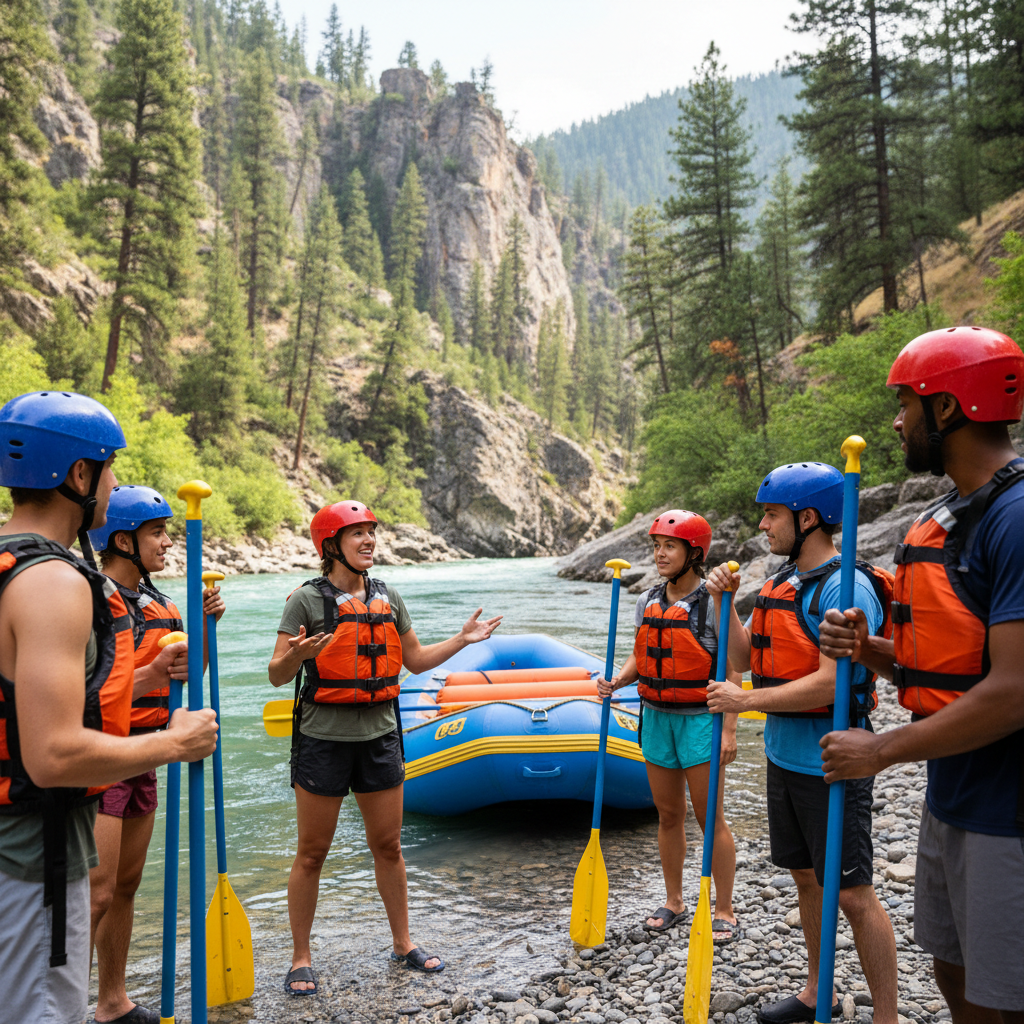
This guide focuses on the decisions that actually change outcomes: how to choose a safer trip, what to pack, how to think about weather and water levels, and what to do if something goes sideways. You’ll also get a quick checklist and a small table you can screenshot for planning.
Pick the right trip: the “safety” decision happens before you travel
A lot of people treat rafting safety as something that starts at the put-in. Realistically, your biggest lever is choosing a trip that fits your group’s fitness, comfort in water, and tolerance for cold.
- River class matters (I–V): Many commercial beginner trips run Class II–III, while Class IV usually demands quicker reactions and can feel intense even if you’re athletic.
- Trip length changes fatigue: A half-day float can feel manageable, while a full-day with multiple rapids can wear people down, and tired paddlers make sloppy moves.
- Water temperature is a hidden difficulty: Cold water increases risk of cold shock and faster fatigue, even on “easy” rapids.
- Group makeup: Kids, non-swimmers, and anxious first-timers usually do better with shorter trips, warmer seasons, and calmer sections.
According to the National Park Service, many drowning incidents outdoors involve people not wearing life jackets or being in conditions beyond their ability, which is exactly why matching the trip to the group is not “being cautious,” it’s being realistic.
Quick self-check: are you actually prepared for this river day?
Use this as a fast gut-check before you pay for nonrefundable travel. If you’re answering “no” to several items, you might still go, but consider a gentler run or a reputable outfitter with a strong safety culture.
- I can follow short, loud instructions quickly, even when stressed.
- I’m comfortable being splashed and possibly falling into cold water.
- I can swim, or I’m willing to pick a calmer trip and be honest with the guide.
- I can sit and brace my feet for long periods without severe back or knee pain.
- I’m okay wearing a helmet and a snug PFD (life jacket) for hours.
- I can avoid alcohol or cannabis before the trip (including “just a little”).
If you’re pregnant, have a heart condition, history of fainting, recent concussion, or significant mobility limits, it’s worth asking a clinician for individualized advice and then checking your outfitter’s participation rules, since policies vary.
Book an outfitter like you’re hiring a safety team
Price and photos don’t tell you much. What you want is an operation that treats risk as normal and manageable, not as marketing fluff.
Questions worth asking (and listening to the tone)
- What training do guides complete? Look for clear answers about certifications and ongoing evaluations, not vague “our guides are awesome.”
- What’s included gear-wise? Helmet, PFD, splash jacket or wetsuit when conditions demand it, plus river shoes in some cases.
- How do you decide to cancel or change routes? A good operator will mention water levels, weather, and guest readiness without sounding defensive.
- What’s the guide-to-guest ratio and boat size? Smaller boats can feel sportier; bigger rafts can feel more stable, but it depends on river and crew.
- Is there a pre-trip safety talk and swim/self-rescue instruction? This should be standard for most trips.
According to the American Red Cross, wearing a properly fitted life jacket is a key layer of drowning prevention. For rafting, “properly fitted” means snug enough that it doesn’t ride up over your chin when lifted at the shoulders.
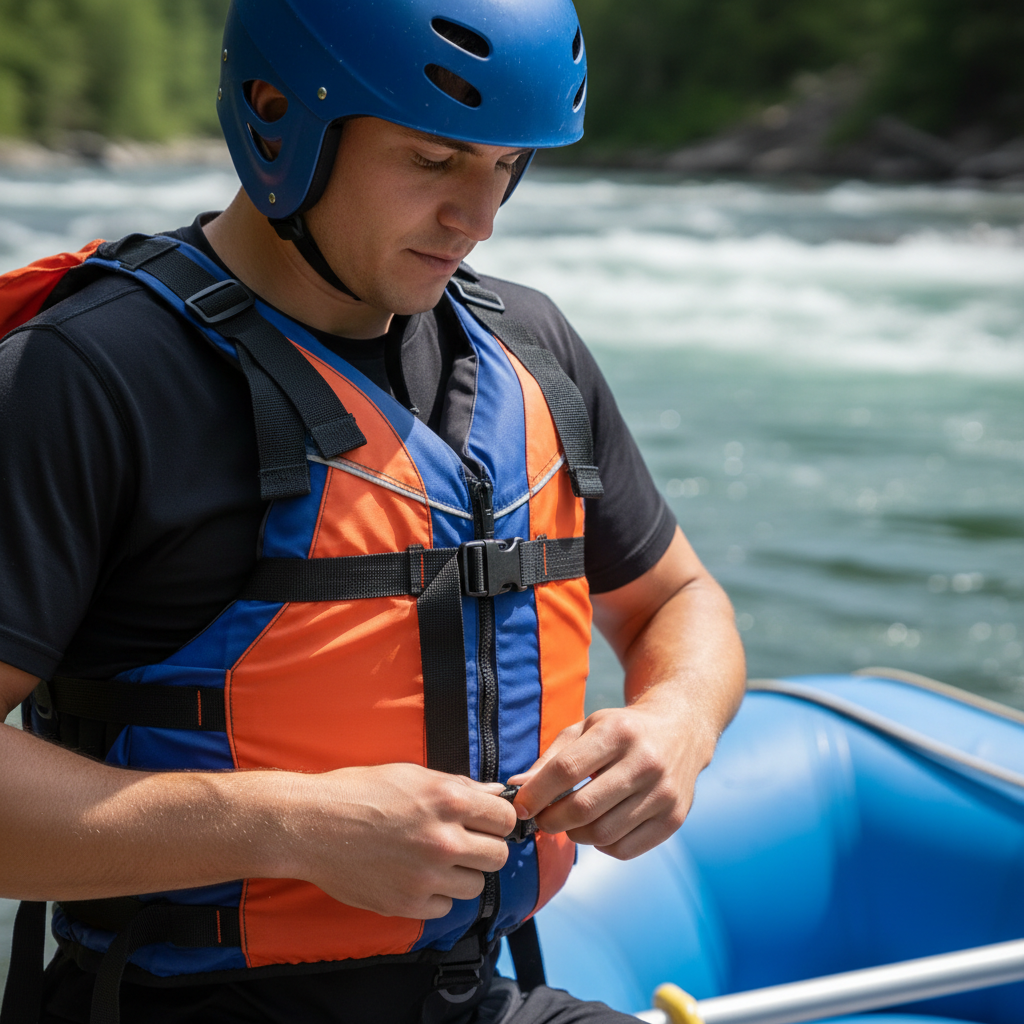
One more practical tell: reputable companies are comfortable saying “no” to guests who show up intoxicated, ignore instructions, or refuse required gear. That boundary protects everyone on the boat.
Pack smarter: what you bring changes your risk profile
Most packing lists online are fine, but they miss the point: you’re packing to stay warm, stay hydrated, and keep critical items from turning into hazards in a capsize.
Safety-first packing list
- Footwear that stays on: river shoes or secure sandals; avoid flip-flops.
- Clothing for immersion: quick-dry layers, and ask about wetsuits or splash gear when water is cold.
- Sun protection: water reflects UV, so SPF, sunglasses with a retainer, and a brim (if allowed under helmet) matter.
- Hydration and snacks: dehydration sneaks up fast; bring what your outfitter allows.
- Medication basics: inhaler, EpiPen, or other essentials, disclosed to the guide and stored as directed.
- Dry bag strategy: only bring what you can secure; loose items become river litter or impact hazards.
What not to bring (or how to bring it)
- Phones and keys: if you bring them, use a dry case with a tether and accept there’s still risk.
- Jewelry: it can snag or get lost; leave it behind.
- Contact lenses: not a dealbreaker, but bring spares and consider snug eyewear protection.
Use this table to plan your day around conditions
Conditions drive how “sporty” a run feels. Two trips on the same river can feel completely different depending on water level, temperature, and wind.
| Factor | Why it affects safety | What to do (practical move) |
|---|---|---|
| Water level/flow | Higher flow often means faster current, bigger features, less time to react | Ask the outfitter how current flows compare to “typical” for that trip |
| Water temperature | Cold increases fatigue and cold shock risk | Confirm wetsuit/drysuit options, and avoid cotton |
| Weather (storms/wind) | Lightning and high wind change exposure and control | Check forecast, follow guide decisions, delay if storms are likely |
| Sun/heat | Heat illness reduces judgment and stamina | Hydrate early, bring electrolytes if appropriate, reapply SPF |
| Experience level in your group | One struggling paddler can affect boat stability and response | Be honest during booking, choose a milder section if needed |
On-river basics that prevent most “small” problems from becoming big
Listen for a few commands and take them seriously. This is where many first-timers freeze up, because it feels like too much information at once, but you only need the essentials.
Key points to remember
- How to sit: stay low, keep feet braced, avoid wrapping legs around thwarts unless the guide instructs it for that boat setup.
- Hold the paddle correctly: one hand on the T-grip, one on the shaft; the T-grip is a common source of accidental face hits.
- When told “down,” get down: lowering your center of gravity helps stability through rough water.
- Don’t stand up in moving water: foot entrapment can happen in shallow rocky sections; float first, then stand when directed.
According to the Centers for Disease Control and Prevention (CDC), life jackets are an important layer for water safety, especially for people who are weaker swimmers or when conditions are unpredictable. In rafting, that translates to wearing your PFD the entire time on the river, not just in the “big” rapids.
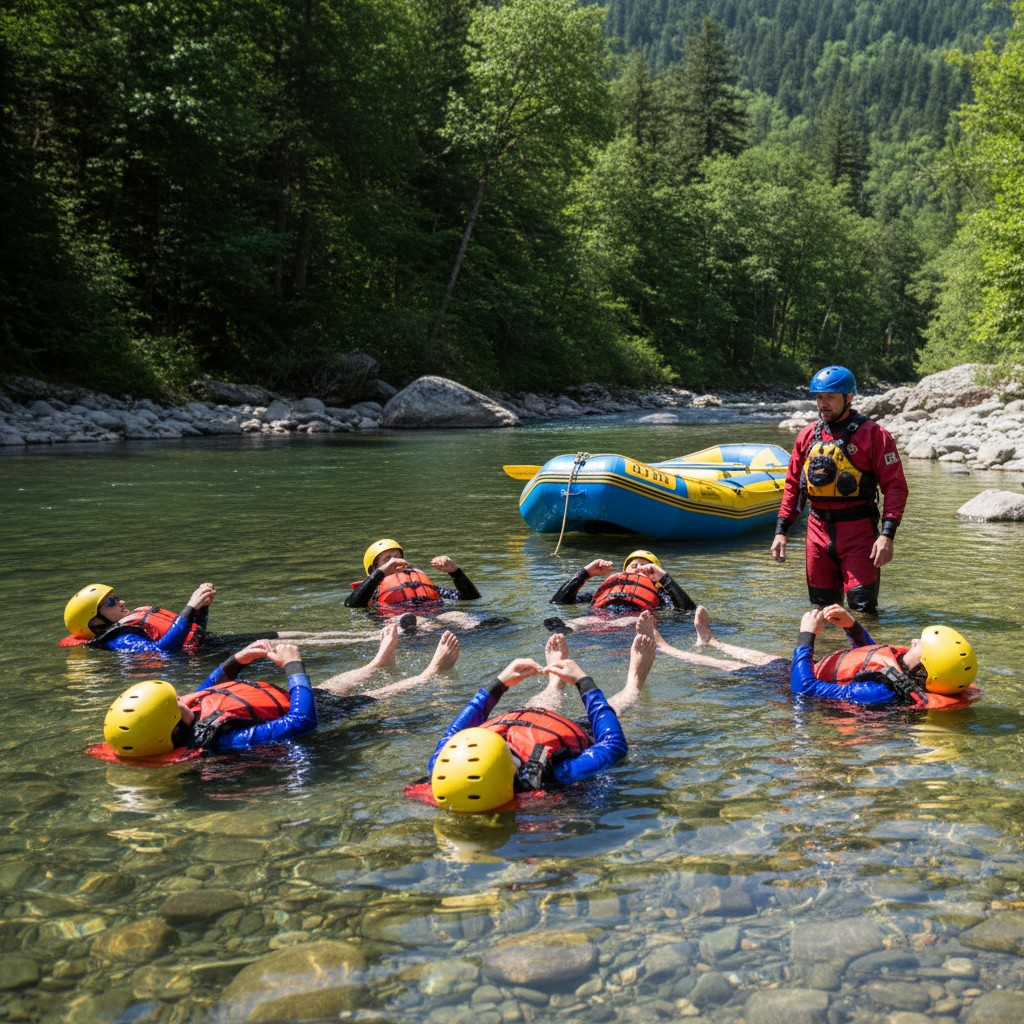
If you fall out, the usual instruction is “feet up, face up” to avoid hitting rocks, then look for the guide’s direction. There are exceptions depending on river features, so treat your guide as the decision-maker in the moment.
Practical travel logistics: timing, transport, and “what if” planning
Travel choices can quietly increase risk, especially when people stack a long drive, poor sleep, and a demanding trip into one day.
- Arrive rested: fatigue makes it harder to paddle on command and to self-rescue if needed.
- Eat a real breakfast: low blood sugar looks like anxiety and nausea on the water.
- Plan for motion sickness: if you’re prone, talk to a pharmacist or clinician ahead of time, and test any medication before your trip day.
- Set a dry meeting plan: who holds car keys, where phones live, and how you’ll reconnect after take-out.
- Know your limits with altitude: some rivers sit at higher elevations; headaches and dehydration can show up faster.
For multi-day rafting travel, add one more layer: confirm where you’ll store medications, how you’ll keep warm at night, and what the operator does if weather turns. Those aren’t “nice to know,” they influence whether you sleep well and perform safely the next day.
Common mistakes that look small (until they aren’t)
- Downplaying swimming ability: guides can adapt plans when they know your baseline.
- Refusing cold-water gear: being uncomfortable is not just annoying, it changes coordination and decision-making.
- Overconfidence from other sports: fitness helps, but river reading and rapid dynamics are their own skill.
- Loose GoPros and straps: snag hazards and lost gear are a real thing; use mounts approved by your outfitter.
- Alcohol “afterward” that starts early: save it for when you’re off the river and done driving.
If you want a simple rule, it’s this: anything that reduces your ability to follow directions fast is a safety issue, even if it feels like a comfort or vibe choice.
When to get professional guidance or opt out
Rafting is often safe with a reputable outfitter, but some situations deserve extra caution. If you have a medical condition that could cause sudden loss of consciousness, severe asthma triggers, recent surgery, or you’re unsure about pregnancy-related risk, it’s smart to consult a qualified clinician and then share relevant constraints with the outfitter.
Also consider opting out or switching trips if the company discourages questions, cannot explain how they handle changing river conditions, or pressures you to go despite clear discomfort. That’s not being “difficult,” that’s responding to a signal.
Key takeaways you can use today
- Choose the right class and conditions before you book, that’s the real safety multiplier.
- Fit and wear your PFD correctly, and treat guide commands as non-negotiable on the water.
- Pack for immersion and temperature, not for how you hope the day feels.
- Build a travel plan that reduces fatigue, especially for early meet times and long drives.
Conclusion: safer rafting still feels like an adventure
Most people don’t need extreme tricks, they need reliable white water rafting travel tips applied early: pick a trip that fits, book a team you trust, show up rested, and let the guide do their job. If you do those four things, you usually spend less time worrying and more time enjoying the river.
If you’re planning a trip soon, make one small move today: message your outfitter with your group’s experience level and ask what gear they recommend for expected water temperature. That single exchange clears up a lot of uncertainty.
FAQ
What are the most important white water rafting travel tips for first-timers?
Start with trip selection: pick a river class and trip length that match your least-experienced person, then pack for water temperature and wear a properly fitted PFD the whole time.
Do I need to know how to swim to go white water rafting?
Many outfitters allow non-swimmers on calmer trips, but you should disclose it during booking. A PFD helps a lot, yet comfort in water still affects how well you respond if you fall in.
What should I wear for cold water rafting?
Ask your outfitter about wetsuits or drysuits based on conditions. Avoid cotton, prioritize secure footwear, and plan for wind, because you can get chilled even when air temps feel mild.
How do I choose a safe rafting outfitter when traveling?
Look for clear answers about guide training, pre-trip briefings, cancellation decisions, and included safety gear. If they rush you or get vague around safety questions, treat that as a red flag.
Can kids go white water rafting safely?
Often yes on appropriate sections, but age, size, water temperature, and river class all matter. Confirm minimum age/weight rules with the outfitter and be honest about attention span and comfort in water.
Is it safe to bring my phone or GoPro on the raft?
It can be, but only with a secure, outfitter-approved setup. Loose cameras and straps can become hazards, and even good dry cases can fail, so bring it only if you can accept the loss.
What should I do if I fall out of the raft?
Follow your guide’s instructions, but the common approach is to float on your back with feet up to avoid rocks, then look for directions to re-enter or swim to a safe spot.
If you’re mapping out a rafting weekend and want a simpler plan, build your itinerary around conditions first, then gear, then logistics, not the other way around. If you share your destination and group profile with a local outfitter early, you often get clearer guidance and fewer last-minute surprises.