
Travel toothbrush foldable options solve a real problem, keeping your brush compact without giving up daily comfort, but only if you choose one that stays clean and doesn’t fall apart mid-trip.
If you’ve ever tossed a full-size toothbrush into a toiletry bag, you know the downside, bristles get crushed, the handle picks up residue, and everything ends up feeling a little questionable. A foldable design can help, yet the market has plenty of gimmicks.
This guide focuses on what actually matters for clean teeth while traveling, hygiene, bristle quality, drying, and how to avoid the common mistakes that make a “portable” toothbrush less sanitary than the one at home.
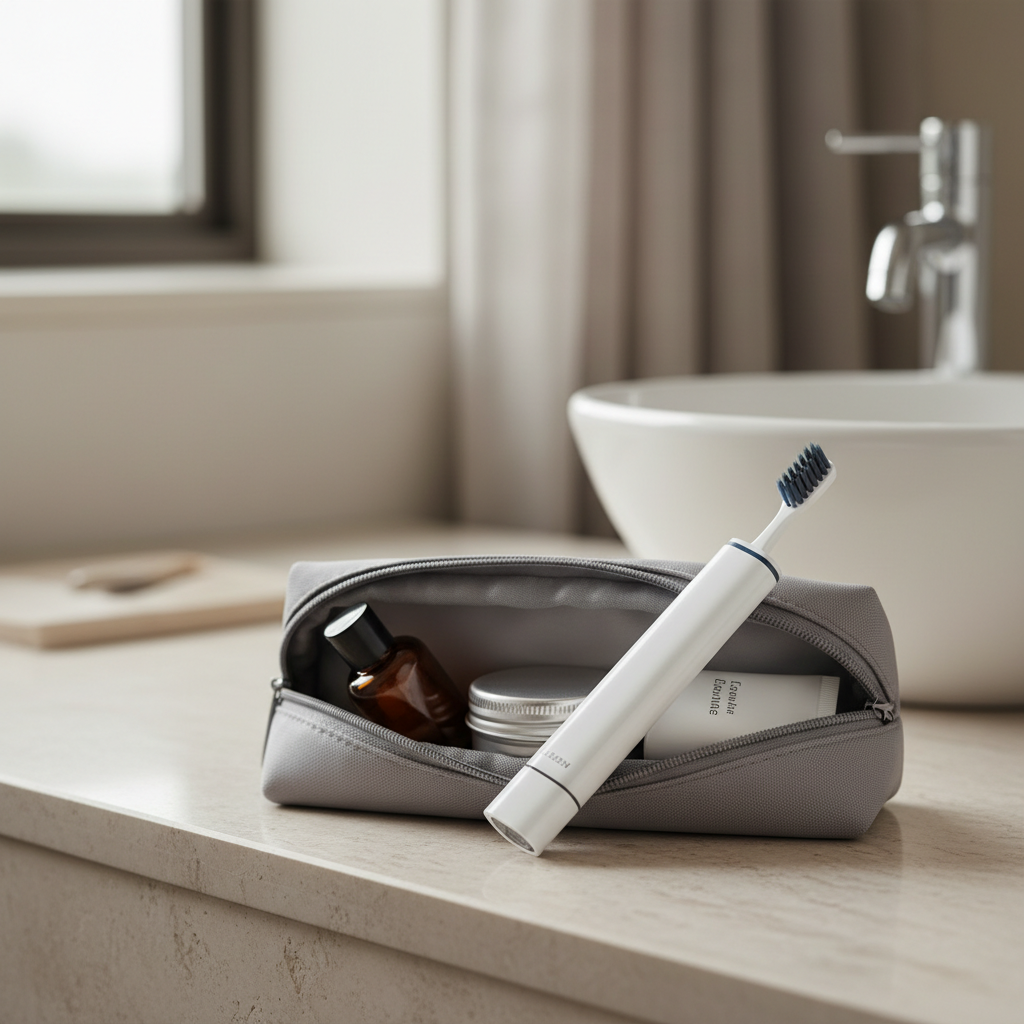
Why foldable toothbrushes are popular, and where they disappoint
A foldable toothbrush is usually about two trade-offs, space and hygiene. When the head tucks into the handle, the bristles get protected from being flattened in transit, and the whole thing packs smaller than a full-size brush with a cap.
But a travel toothbrush foldable design can backfire when the brush never dries. Trapped moisture is the fastest way to make a brush feel gross, especially in humid climates or if you brush and immediately pack up.
There’s also the durability piece. Some foldable hinges loosen, the locking mechanism starts slipping, and you end up brushing with a wobbly head. That’s not dangerous in most cases, just annoying, and it can make you rush brushing when you should slow down.
What to look for in a travel toothbrush foldable (the short list)
If you want clean teeth on the go, you’re mainly shopping for bristles and drying behavior, not clever engineering. Here are the criteria that tend to matter most in real use.
- Bristle softness and density: Soft or extra-soft bristles often feel better on gums, while still cleaning well with proper technique. If you have gum sensitivity, a dentist may suggest soft bristles.
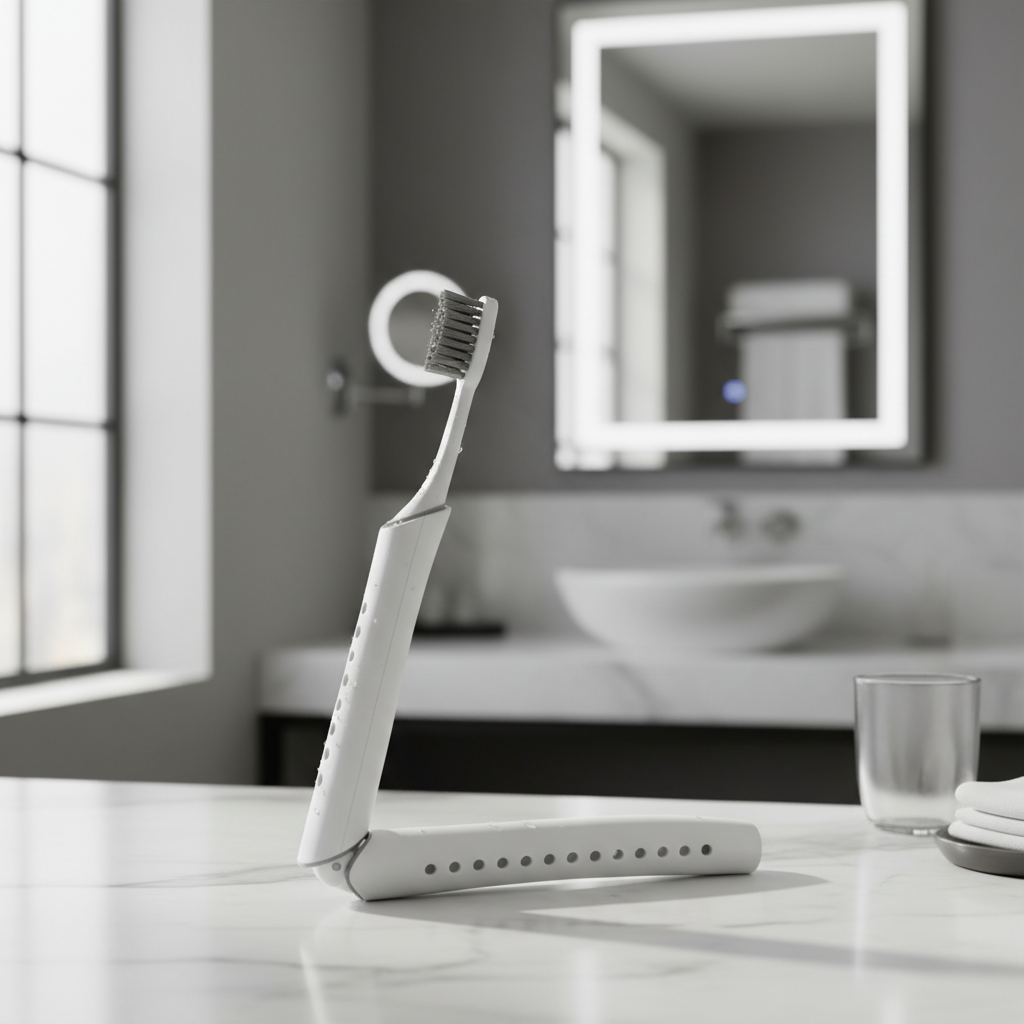
- Ventilation: Look for air holes or channels that let the head dry while folded, otherwise the handle becomes a mini humid box.
- Secure lock: The head should click in place both open and closed, so it doesn’t flop around in your mouth or pop open in your bag.
- Easy-to-rinse surfaces: Avoid deep grooves that trap toothpaste residue, especially around the hinge.
- Size that fits your mouth: Oversized heads are common in cheap travel brushes, and they can make the back molars harder to reach.
According to the American Dental Association (ADA), toothbrushes should be replaced about every three to four months, or sooner if the bristles fray. Travel doesn’t change that basic rule, it just makes wear and contamination more likely.
Quick self-check: is your travel brush setup actually hygienic?
People usually assume the “case” makes it sanitary. In practice, your routine decides whether it stays clean. Use this quick checklist before your next trip.
- You can let the brush air-dry for at least 10–15 minutes before folding and packing.
- The bristles don’t smell musty after being stored for a day.
- The hinge area rinses clean without toothpaste paste building up.
- You aren’t storing it wet inside a sealed plastic bag.
- You have a backup plan if it gets dropped in a sink or on a bathroom floor.
If you answered “no” to two or more, your current setup may be more trouble than it’s worth. That’s when a different foldable model, or a different storage habit, makes a bigger difference than buying a “premium” brush.
Foldable vs. regular travel toothbrush: a practical comparison
Some travelers do better with a normal brush plus a vented cap. Others love the one-piece fold. Here’s a simple comparison you can use when deciding.
| Feature | Foldable travel toothbrush | Regular toothbrush + cap |
|---|---|---|
| Pack size | Usually smaller, no extra cap | Often longer, cap adds bulk |
| Bristle protection | Strong protection when closed | Depends on cap fit and crush resistance |
| Drying | Can trap moisture if not vented | Can dry better with a vented cap |
| Ease of cleaning | Hinge may hold residue | Simpler surfaces, easier rinse |
| Durability | Hinge/lock may loosen over time | Typically sturdier, fewer moving parts |
Bottom line, a travel toothbrush foldable model is most helpful when you move frequently, carry minimal gear, and can’t stand loose caps. If you’re road-tripping with plenty of space, a normal brush can be simpler and sometimes cleaner.
How to use and store a foldable travel toothbrush without the “gross” factor
This is the part most people skip, and it’s why their brush gets funky by day two. A foldable brush can stay fresh, but it needs a tiny bit of routine.
Right after brushing
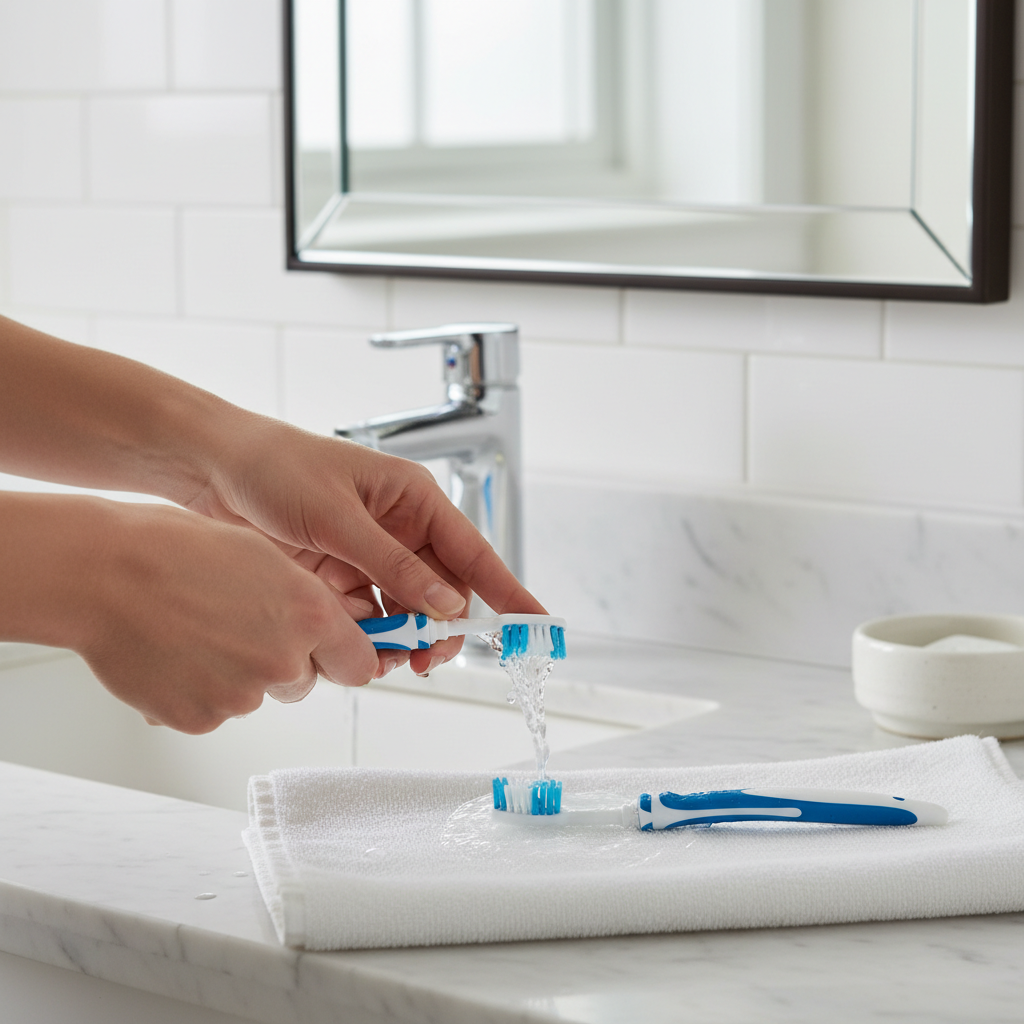
- Rinse the head thoroughly until the water runs clear, then shake out excess water.
- If possible, pat the bristles lightly with a clean towel or tissue, not to dry perfectly, just to remove dripping water.
- Leave it open to air-dry while you do something else, pack clothes, shower, or check out.
Before you fold it closed
- Make sure the head feels only slightly damp, not wet.
- Check the hinge area for paste buildup, a quick rinse prevents that chalky crust.
- Close it firmly until it locks, then store it where it won’t be crushed.
If you can’t air-dry at all, red-eye flights, camping, shared bathrooms with no counter space, consider a foldable brush with better ventilation, or carry a small ventilated case that allows airflow.
Common mistakes that keep you from clean teeth while traveling
Most travel brushing problems aren’t technique, they’re logistics. These are the patterns that show up again and again.
- Folding it up immediately: Moisture stays trapped, odors show up fast.
- Using boiling water to “sterilize”: Heat can warp plastics and soften bristles, and it rarely fixes the root problem, poor drying.
- Sharing a travel brush: Even within families, sharing increases germ transfer, it’s not a great idea outside of true emergencies.
- Keeping an old brush as the travel brush forever: A worn brush cleans worse, and frayed bristles can irritate gums.
According to the Centers for Disease Control and Prevention (CDC), personal hygiene items like toothbrushes should not be shared. If you travel with kids, it’s worth labeling handles so brushes don’t get swapped by accident.
When to consider professional advice or a different tool
If you have recurring gum bleeding, tooth sensitivity, or you’re prone to cavities, a travel brush choice can matter more than you’d think. In many cases, the brush is fine, but the bristle type, brushing pressure, and time spent brushing need adjustment, and a dentist or dental hygienist can give guidance that matches your mouth.
You may also want to rethink your setup if you wear braces, aligners, or have dental work that traps plaque. A foldable travel toothbrush can still work, but adding floss picks, interdental brushes, or a travel water flosser might make your routine more effective. If you’re unsure what’s appropriate, it’s reasonable to ask a professional, especially for post-procedure care.
Key takeaways and a simple next step
If you want a travel toothbrush foldable option that keeps clean teeth realistic on busy trips, prioritize ventilation and bristle quality, then build a habit around drying. The brush design helps, your storage behavior does the heavy lifting.
- Buy for drying, not just for compact size.
- Air-dry briefly before folding, even a few minutes helps.
- Replace regularly, travel brushes wear out too.
Your next step can be simple, test your current brush for one trip with a strict “dry-then-fold” routine, if it still smells or stays messy, swap to a vented foldable model or a vented cap setup.
FAQ
Is a foldable toothbrush sanitary for daily travel?
It can be, but it depends on drying. If the head stays wet inside the handle for hours, it may develop odor and buildup faster than a brush that can breathe.
How do I clean a foldable travel toothbrush between trips?
Rinse thoroughly after the last use, let it dry fully while open, then store it in a clean, dry place. If residue collects near the hinge, a gentle scrub with mild soap can help, just rinse well afterward.
Should I use a toothbrush cover with a foldable travel toothbrush?
Usually you don’t need an extra cover because the head tucks in, but if the design has poor ventilation, a cover can make drying worse. Airflow matters more than “sealed” storage.
Can I bring a foldable toothbrush in carry-on luggage?
Yes in most cases, a toothbrush is standard personal hygiene. If you pair it with liquids like mouthwash, follow airline liquid rules for carry-ons.
What bristle type is best for travel brushing?
Soft bristles work well for many people and are gentler on gums, especially if you tend to brush hard. If you have specific dental concerns, a dentist may recommend a particular bristle style.
How often should I replace my travel toothbrush?
The same general timeline applies as at home, commonly every three to four months, or sooner if bristles fray, you’ve been sick, or the brush develops persistent odor.
What if my toothbrush falls on a hotel bathroom floor?
Many people choose to replace it or switch to a backup rather than trying to “save” it. If you don’t have a spare, rinsing can remove visible debris, but it may not address all contamination, use judgment based on the situation.
If you’re trying to simplify your kit, a well-vented foldable brush plus a tiny routine around drying usually beats buying more products. If you want, share how you travel, weekend flights, long road trips, camping, and it’s easier to narrow down which foldable style fits without overpacking.